
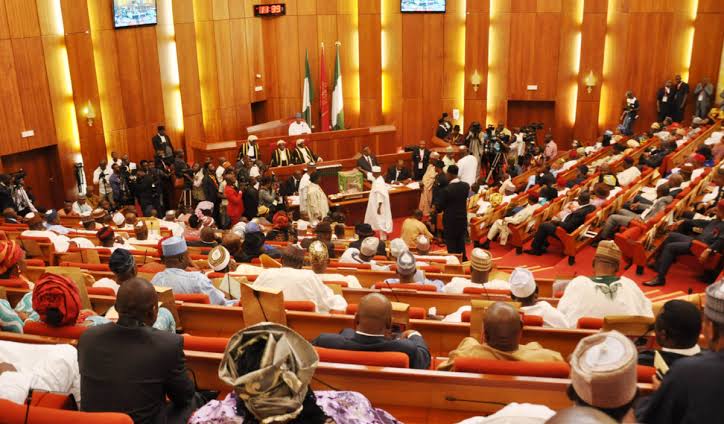
Nigeria’s Senate has proposed stricter punishments for vote buying and other electoral offences as part of efforts to strengthen the credibility of the country’s elections ahead of the 2027 polls.
The proposals are contained in the Electoral Bill 2025, which is currently being considered by the National Assembly, according to the Senate Leader, Opeyemi Bamidele.
In a statement marking the resumption of plenary sittings by the 10th National Assembly, Mr Bamidele said the bill recommends fines of up to five million naira, prison sentences of up to two years, and a ten-year ban from contesting elections for those found guilty of vote buying.
He said the proposed legislation also introduces tougher sanctions, including mandatory jail terms and higher fines, for offences such as falsifying election results and obstructing electoral officials.
According to Mr Bamidele, the measures are aimed at ending impunity and restoring public confidence in Nigeria’s electoral process.
The bill also proposes new technological measures, including electronically generated voter identification and a downloadable voter card with a unique QR code.
It further requires presiding officers to transmit polling unit results electronically, along with the total number of accredited voters.
Mr Bamidele said the legislation seeks to standardise the selection of delegates for indirect party primaries, to prevent party leaders from imposing delegate criteria without wider consultation.
Committees overseeing the Independent National Electoral Commission (INEC) in both chambers of parliament are expected to submit reports for detailed review in the coming weeks.
The Senate Leader said the reforms are designed to ensure transparent, credible and secure elections beginning with the 2027 general election.
He added that lawmakers will also focus on reviewing the 2026 national budget, which President Bola Tinubu presented to a joint session of the National Assembly in December 2025.
Mr Bamidele said the budget is intended to support economic growth, strengthen stability and improve living standards.
He also noted that recent tax reforms have reduced the burden on low-income earners while increasing contributions from higher-income earners, helping to improve government finances.
In addition, he said the review of Nigeria’s 1999 Constitution has reached an advanced stage, with public hearings and technical consultations completed.
The final proposals, he said, will require approval by at least two-thirds of state assemblies, as required by law.
“At the end of it all, good governance, improved security and the welfare of Nigerians remain our top priorities,” Mr Bamidele said.