

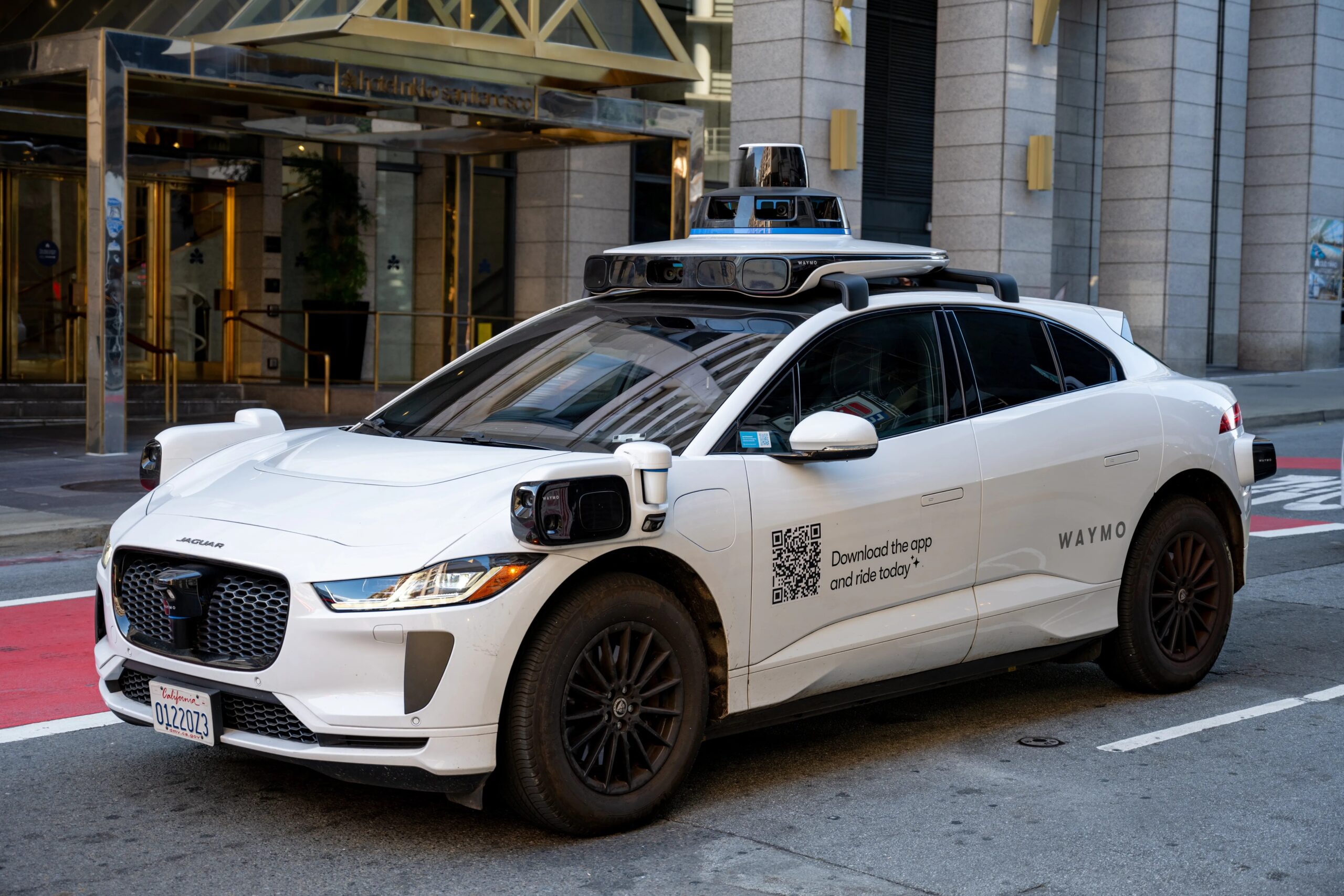
UNITED KINGDOM – Driverless taxis in the UK could begin operating on London roads as early as September, as Waymo accelerates preparations ahead of anticipated regulatory reforms.
The autonomous vehicle firm said it plans to launch a commercial robotaxi service once updated UK transport rules permit fully driverless passenger operations.
Government officials confirmed that pilot schemes are already supporting companies like Waymo, even as nationwide regulations are finalised.
Driverless Taxis in the UK Gain Government Backing
Driverless taxis in the UK are receiving direct government support through passenger pilot programmes designed to test autonomous mobility under real-world conditions.
Local Transport Minister Lilian Greenwood said the government is enabling innovation while ensuring public safety remains central to deployment decisions.
“We’re supporting Waymo and other operators through our passenger pilots and pro-innovation regulations,” Greenwood said during a London showcase.
She added that automated vehicles could reduce accidents caused by fatigue, distraction, and impaired driving.
Safety Conditions for Driverless Taxis in the UK
Despite rapid progress, officials insist driverless taxis in the UK must meet strict safety and cybersecurity standards before commercial approval.
Greenwood said autonomous vehicles must demonstrate protection against hacking, software failure, and malicious interference.
- Owan Stakeholders Oppose Agbebaku’s Resignation, Demand Action
- Gov. Otu Intervenes, Directs Release Of C’River Businessman Remanded Over Alleged Social Media Bullying
- 2027: Atiku Declares Final Presidential Bid “This Is My Last Attempt”
- Onaiyekan Hits Back At Presidency, Says “You Can’t Embarrass Or Intimidate Me”
- Asu Ekiye Breaks Silence On Separation From Wife Of 28 Years
Transport regulators are also reviewing liability frameworks to determine responsibility in accidents involving driverless technology.
Officials stressed that no operator will bypass safety certification requirements.
Waymo Expands Footprint as Driverless Taxis in the UK Near Launch
Waymo displayed a fleet of Jaguar-manufactured robotaxis at London’s Transport Museum, signalling readiness for the UK market.
The vehicles are currently operating with safety drivers, mapping roads and collecting traffic data across the capital.
Although visible on public roads, the cars are not yet available to passengers.
A Waymo spokesperson said the mapping phase is critical to ensuring reliable autonomous navigation in dense urban settings.
How Driverless Taxis in the UK Will Operate
When the service launches, Waymo confirmed that its driverless taxis in the UK will operate without a human driver at the wheel.
Passengers will hail rides through a mobile application, similar to existing ride-hailing platforms.
The company said airport drop-offs will not be available during the initial rollout phase.
Service expansion will depend on regulatory confidence and operational performance.
Technology Powering Driverless Taxis in the UK
Waymo’s autonomous vehicles rely on lidar, radar, high-definition cameras, and microphones to perceive their surroundings.
The company said these sensors provide 360-degree awareness, extending up to three football fields ahead.
A high-performance onboard computer processes data in real time, controlling steering, braking, and acceleration.
Waymo claims the system performs effectively in poor weather and low-visibility conditions.
Pricing Model for Driverless Taxis in the UK
Waymo said pricing for driverless taxis in the UK will be competitive but positioned as a premium service.
A spokesperson said fares may increase during periods of high demand, following established surge-pricing models.
Industry analysts say affordability will play a major role in public adoption.
The company declined to release specific pricing figures ahead of launch.
Economic Impact of Driverless Taxis in the UK
The UK government estimates autonomous vehicles could add £42 billion to the economy by 2035.
Officials project the sector could generate nearly 40,000 jobs across technology, logistics, and vehicle maintenance.
Supporters argue early adoption could position Britain as a leader in autonomous transport innovation.
However, labour groups continue to raise concerns about long-term employment impacts.
Competition Heats Up for Driverless Taxis in the UK
Waymo faces competition from Uber and Lyft, both preparing autonomous taxi services pending regulatory approval.
The companies have partnered with Chinese technology firm Baidu, whose robotaxis already operate in several global cities.
Waymo, owned by Alphabet, uses Jaguar vehicles and proprietary autonomous software.
Analysts say the UK market could become a major testing ground for competing robotaxi platforms.
.
Public Trust Will Define the Future of Driverless Taxis in the UK
Experts say public confidence will determine the long-term success of driverless taxis in the UK.
They stress the importance of transparency, rapid incident response, and clear accountability mechanisms.
Government officials insist phased deployment will allow regulators to intervene where necessary.
Most Viewed Posts
- Supporting Siminalayi Fubara: Why Rivers People Deserve Continuity Of Purpose In 2027 – Dr William Omuna
- President Tinubu’s Achievements That Strengthen Case For Second Term – Amuna
- William Omuna Declares Bid For Rivers East Senate, Says It Deserves Senator Who Shows Up
- Budget Without Representation: Outrage as Senator Natasha Alleges Institutional Marginalisation – By Darlington Okpebholo Ray
- Praying for Survival: Inside Nigeria’s Unchecked Violence Against Christians — By Darlington Okpebholo Ray
As September approaches, London may soon host the UK’s first fully driverless taxi services.