
Lucky Obukohwo, Reporting
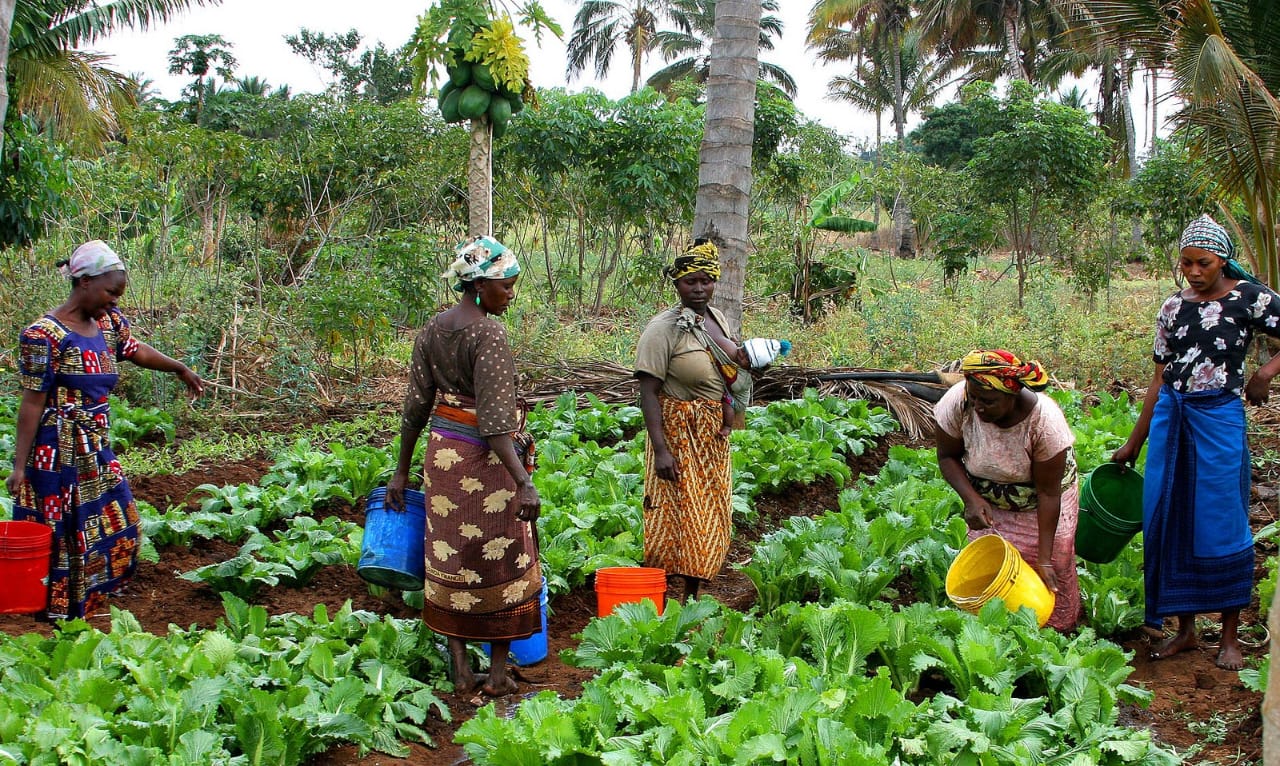
The federal government has doled out free farm tools to 90 groups of smallholder farmers in Imo State with the view of promoting food security in the state and the country by extension.
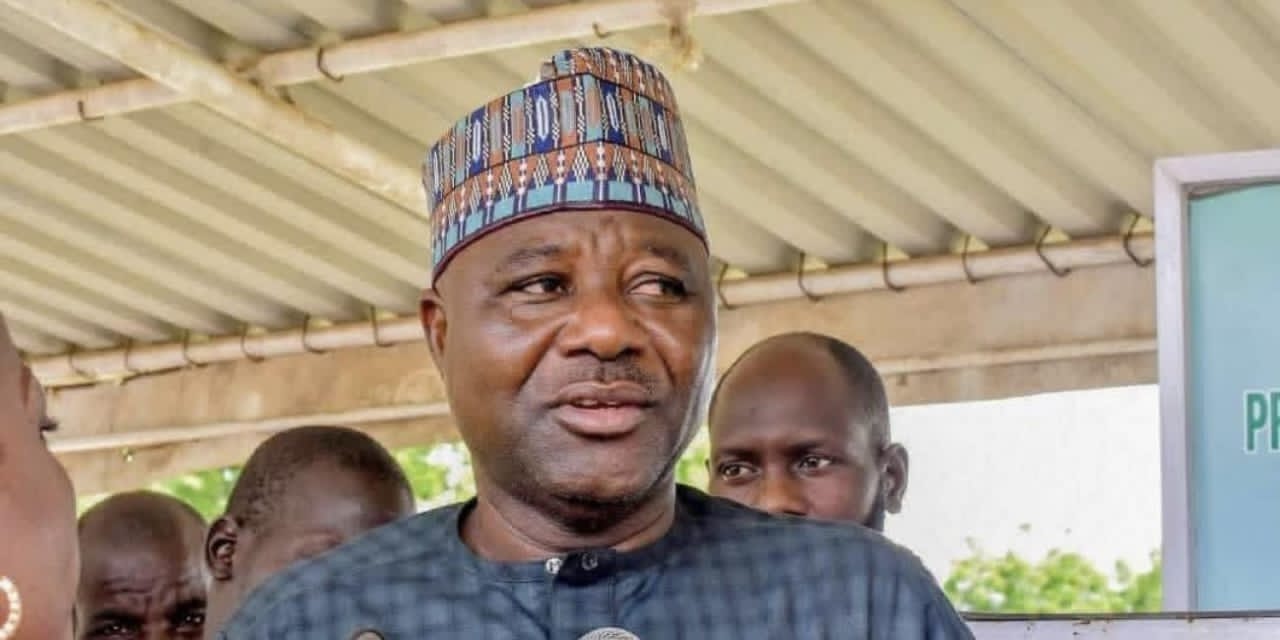
The distribution exercise, which took place in Owerri, the state capital, at the weekend, was conducted by the Minister of Agriculture and Food Security, Abubakar Kyari, who was represented by Dr. Iyere-Usiahon Perpetua, a director in the ministry.
Kyari stated that the programme was targeted at delivering on the Renewed Hope Agenda of President Bola Tinubu.
According to him “this is an international priority reflected in the 2030 Agenda for Sustainable Development. To address the underlying challenges impacting the attainment of our national food security goals, the present administration is implementing numerous economic reforms to stimulate productive capacity, create jobs, and reduce cost of living.”
Continuing, “President Bola Tinubu declared state of emergency on food security in July, 2023. In this regard, I want to use this opportunity to assure you that this administration has demonstrated total political will to transform the agriculture sector of our dear country by making food security a top priority.
“Since our assumption of office on August 21, 2023, we have examined what needs to change and what we need to do to realign existing initiatives and programmes that are on course to be in line with the core mandate of the Federal Ministry of Agriculture and Food Security.”
Kyari added that consequently, the ministry has embarked on many programmes and projects to address some of the challenges of farmers and make food available, accessible and affordable to all Nigerians.
“Accordingly, and going forward, we commit to ensuring that all our sectoral programmes and initiatives of government in the sector are completely aligned to actualising the presidential priority.
“As such, the federal and state governments continually engage towards addressing all issues affecting national food security objectives.
“We also remain committed to promoting and creating synergies with Non-Governmental Organisations and the private sector to enhance efforts at ensuring food security, economic growth, job creation and poverty reduction.”
Kyari further maintained that, “the ministry has considered the implementation of short term plans and support mechanisms to make essential farm inputs more affordable and accessible to farmers through a transparent and accountable process.
“Our foremost concern is the facilitation of agro-inputs and basic farm machinery to small-scale farmers, who are constrained by the high market cost of these essential inputs, and thus need assistance.”
The minister, who said the goal of the programme is to support farmers and boost food production in the country, added that the administration of President Tinubu has resolved to attain the Sustainable Development Goals, especially that of zero hunger, while also mitigating the food crisis in the country.
Earlier, Dr. Alexander Onwumere, Permanent Secretary, Imo State Ministry of Agriculture and Food Security, called on the Federal Government to ensure that the programme is sustained.
Onwumere expressed satisfaction that the farm implements reached the Imo farmers on time and urged the farmers to ensure they use the tools judiciously.
He cautioned the farmers against selling the implements, warning that any person caught selling the tools would be severely dealt with by the government.
Chief Tobias Iwu, former First Deputy National President, All Farmers Association of Nigeria (AFAN) thanked the Federal Government for the programme.
Iwu said the tools arrived on time and advised farmers to use them well in order to boost their productivity.
Head of Umudioka Multipurpose Cooperative, Orlu, Mr. Chinedu Madu, who spoke on behalf of other beneficiaries thanked the Federal Government for the gesture and also urged the government to ensure that it sustained the programme.
Among farm implements and inputs distributed to farmers free of charge include power tillers, herbicides, liquid fertilisers, knapsack sprayers and water pumps. The distribution was done through commodity associations, cooperative groups, farmers with Special Needs and IDPs.