

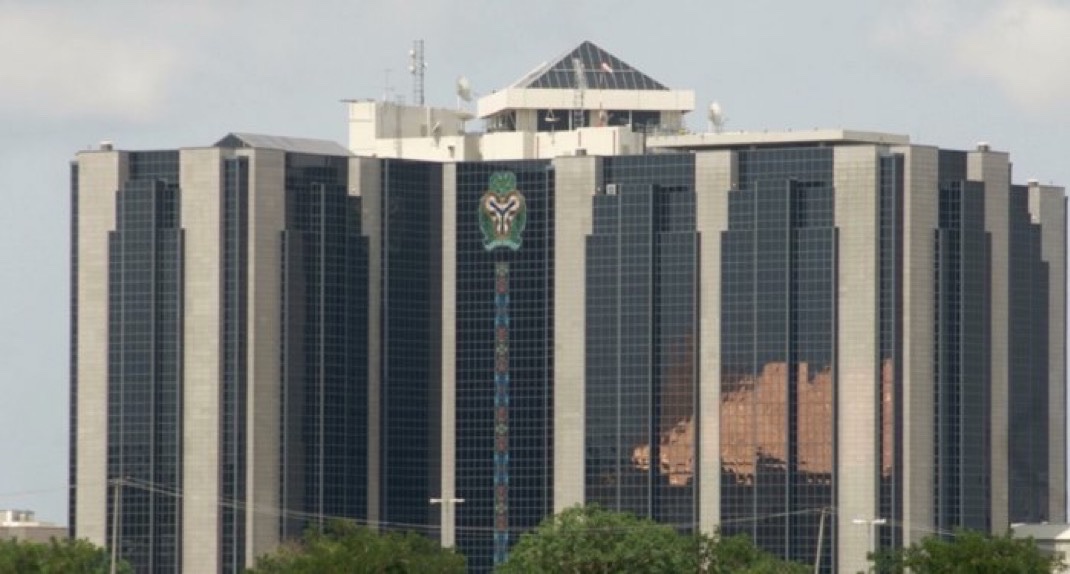
The Central Bank of Nigeria (CBN) has directed commercial banks across the country to deny fresh credit facilities to major loan defaulters, particularly borrowers classified as large-ticket obligors, in a move aimed at strengthening the stability of Nigeria’s financial system.
The directive, contained in a circular issued to banks and seen on Monday, instructs financial institutions to restrict borrowers with large non-performing loans from accessing additional credit or certain banking services.
A large-ticket obligor refers to an individual or corporate borrower who owes a significant amount of money to a bank. According to the apex bank, such borrowers whose facilities have become non-performing and are recorded in the Credit Risk Management System (CRMS) or by licensed private credit bureaus will no longer be eligible for new loans.
The CBN said the policy is part of its statutory mandate to safeguard depositors’ funds and promote soundness within the banking sector.
“In furtherance of its mandate to promote a sound financial system, protect depositors, and enhance prudential compliance within the banking sector, the Central Bank of Nigeria hereby directs all banks to restrict non-performing large-ticket obligors, whose activities pose systemic risk to the financial system, from accessing specified banking services,” the circular stated.
Under the new rule, banks are barred from granting additional credit facilities to such defaulters. The restriction also extends to contingent banking services including letters of credit, bankers’ confirmations, performance bonds, and advance payment guarantees.
The apex bank also ordered financial institutions to strengthen their risk exposure by securing additional realisable collateral from affected obligors to ensure that existing loan facilities are adequately backed.
The CBN explained that a large-ticket obligor includes any borrower whose exposure exceeds the Single Obligor Limit (SOL) as stipulated in Clause 3.2(d) of the Prudential Guidelines for Deposit Money Banks. This may involve a single customer whose combined debt across multiple banks significantly affects a bank’s Capital Adequacy Ratio (CAR) or poses a systemic threat to the financial sector.
The directive reinforces an earlier policy issued on June 30, 2014, which prohibited loan defaulters from accessing further credit within the Nigerian banking system. According to the regulator, the renewed enforcement aims to curb persistent credit abuse among high-value borrowers.
The CBN warned that it would closely monitor compliance with the directive across the banking industry, noting that violations would attract sanctions in line with the provisions of the Banks and Other Financial Institutions Act.