
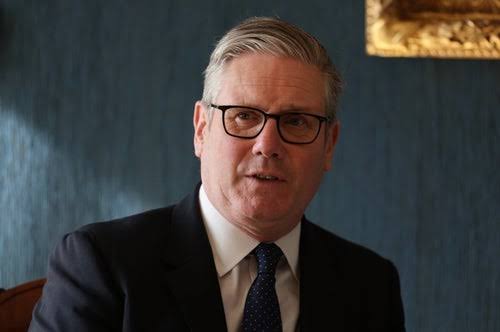
Britons are preparing for higher bills and price increases even as Prime Minister Sir Keir Starmer unveils a series of measures aimed at easing the pressure of the country’s rising cost of living. Truth Live News International learnt from the International that the reopening of the Strait of Hormuz, a key oil shipping route affected by conflict in Iran, is seen as crucial to reducing the UK’s economic strain.
Starmer emphasized this point while speaking at a Cobra crisis committee meeting, reaffirming the government’s commitment to protecting citizens amid global uncertainty.
Among the measures announced, households will see an average reduction of £117 on energy bills, the national minimum wage will rise to £10.85, and the national living wage will increase to £12.71. Additionally, a £1 billion fund has been established to support vulnerable households facing high heating oil costs, and prescription charges have been frozen.
Despite these initiatives, Starmer has resisted calls for broader bill relief, focusing instead on targeted support. “We must continue to push for de-escalation in the Middle East and a reopening of the Strait of Hormuz,” he said. “That is the most effective way to bring down the cost of living for families.”
However, other essential household expenses are set to rise. From 1 April, the average Band D council tax will increase by £111 to £2,392. Water bills across England and Wales are set to go up by 5.4%, adding roughly £33 per year for the average household. Broadband and mobile phone costs are also increasing, with providers such as BT, EE, Plusnet, Virgin Media, Sky, and Vodafone raising prices by £3–£4 per month.
Energy bills under Ofgem’s price cap are expected to fall slightly due to government interventions, but prices could spike by up to £300 per year from July if the conflict in Iran continues to disrupt oil supply routes. Businesses, not protected by a price cap, may face even steeper increases in gas and electricity tariffs.
Industry groups have warned that the strain on the business energy market could have a domino effect across the economy. “The government should be prepared to support vulnerable businesses if they are thrown into yet another crisis,” they said.
Starmer acknowledged public concern over the Iran conflict and its impact on households. He stressed that the government is working with international partners to ease tensions while implementing measures to help families manage rising costs.