

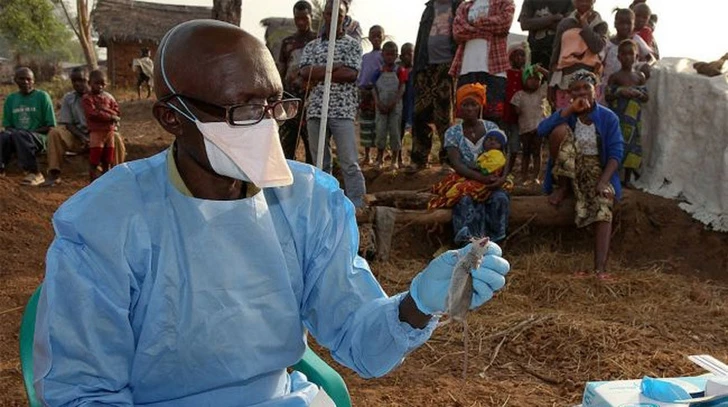
At least two people have died following a Lassa fever outbreak in Katsina State, with health authorities confirming a new case that brings the total number of infections in the state to three.
A consultant in infectious diseases at the Federal Teaching Hospital Katsina, Dr Mohammed Abubakar, disclosed that the hospital is currently managing a female patient whose husband recently died from the virus.
According to him, the patient is responding positively to treatment after being isolated to prevent further spread.
“She is stable and responding to treatment,” he said, while commending the hospital’s emergency response team for acting swiftly.
Dr Abubakar also raised concerns over what he described as a worrying increase in the severity of Lassa fever cases across Nigeria this year. He noted that the disease appears to be more deadly, with a higher fatality rate compared to previous outbreaks.
“Previously, the fatality rate ranged between 10 and 30 per cent, but this year, nearly one in four infected persons is dying,” he stated.
Data from health authorities indicate that more than 1,000 suspected and confirmed cases have been recorded nationwide since the beginning of the year, with about 145 deaths reported.
The expert further explained that while earlier outbreaks were concentrated in parts of the North-East and South-South regions, the current wave is largely affecting five key states, including Benue, Ondo, Taraba, Edo, and Plateau.
He attributed the shift to factors such as climate change, insecurity, population displacement, and poor environmental hygiene, which may be driving rodents, the primary carriers of the virus closer to human settlements.
Health officials have urged residents to take preventive measures, including keeping homes clean, avoiding contact with rodents, and discouraging children from hunting rats, which are known to spread the disease through urine and droppings.
Medical workers were also advised to exercise caution when handling fever-related cases and to consistently use protective equipment.
Dr Abubakar called on authorities to improve the speed of laboratory testing, stressing the need for quicker diagnosis and treatment.
“Test results should be available within one to two days to ensure prompt medical intervention,” he said.
He, however, commended the state government for supporting response efforts, including the timely provision of essential drugs and medical supplies.
Health authorities continue to monitor the situation closely as efforts intensify to contain the outbreak and prevent further loss of life.