

An internal email from the Pentagon has revealed discussions about possible measures against certain NATO allies over disagreements tied to the ongoing Iran conflict.
The message , prepared by top policy adviser Elbridge Colby outlined options that included potentially suspending Spain from NATO and reconsidering U.S. support for the Falkland Islands.
A U.S. official familiar with the matter said the proposals were being circulated at high levels within the Pentagon, reflecting frustration over some allies’ refusal to support U.S. military operations against Iran, particularly by denying access, basing, and overflight rights.
One of the more symbolic options mentioned was sidelining “difficult” countries from key NATO roles. While such actions may not significantly affect military operations, they could send a strong political message.
Donald Trump has been openly critical of NATO allies, especially those unwilling to contribute naval support during tensions in the Strait of Hormuz. Speaking in an April 1 interview, he hinted at the possibility of the U.S. leaving the alliance, stating:
“Wouldn’t you if you were me?”
However, the internal email does not recommend withdrawing from NATO or shutting down U.S. bases in Europe.
A NATO official responded by noting that the alliance’s founding treaty does not include any mechanism for suspending a member.
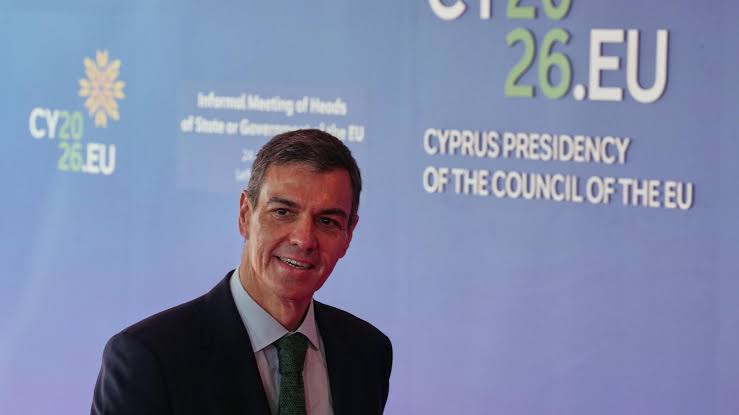
Tensions have been particularly directed at Spain, whose government declined to allow its territory and airspace to be used for strikes against Iran. The U.S. currently operates key military facilities there, including Naval Station Rota and Morón Air Base.
The memo also suggests reviewing U.S. diplomatic backing for certain European-controlled territories, including the Falkland Islands , a long-disputed region between the United Kingdom and Argentina.
Argentine President Javier Milei welcomed the idea, saying efforts are ongoing to reclaim the territory. Meanwhile, the UK reaffirmed its position that sovereignty remains firmly British.
Overall, the proposals aim to challenge what U.S. officials describe as a growing “sense of entitlement” among European allies and push for more balanced contributions within NATO.