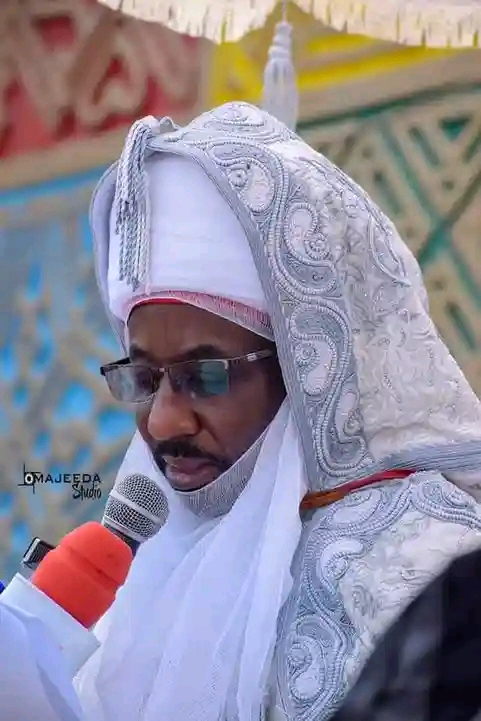


Eswatini has marked the 40th year of King Mswati III on the throne with large national celebrations featuring marching bands, traditional performances, and public tributes.
At the national stadium, crowds cheered as the monarch was praised for his long rule and development initiatives in the small southern African kingdom. Supporters highlighted government programmes such as expanded access to education and mobile health services, saying living conditions have improved in recent years.
The king, who has ruled since 1986 and is among the world’s longest-serving absolute monarchs, told attendees that national unity remains essential for progress.
However, the celebrations also reignited debate over inequality and governance. Critics argue that royal spending is excessive, especially in a country where a significant portion of the population lives in poverty. Opposition voices say resources directed toward the monarchy contrast sharply with widespread economic hardship.
The king, who has multiple wives and maintains a lavish royal household, has faced long-standing scrutiny over state expenditure on the monarchy. The government recently approved additional funding for royal expenses, further fueling public criticism.
While supporters view the monarchy as a symbol of stability and cultural identity, opponents describe it as a system that concentrates wealth and power at the top of society.