

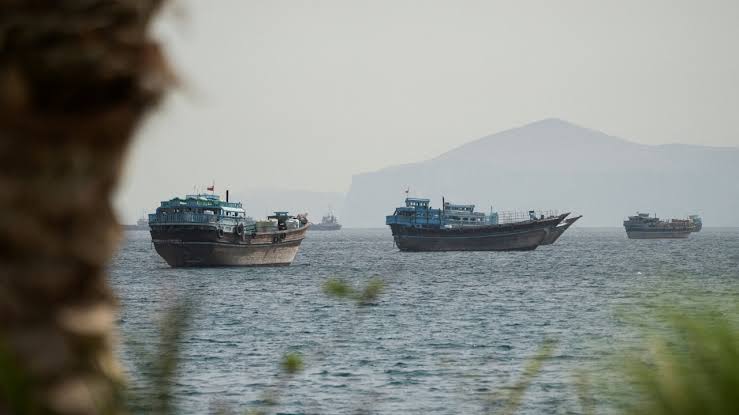
Iran has indicated that the Strait of Hormuz will remain open to international shipping but could operate under a new framework that includes transit-related charges, according to comments attributed to Tehran’s ambassador to Russia.
The remarks come as global energy markets continue to monitor disruptions in one of the world’s most important maritime trade routes. The strategic waterway, which connects the Persian Gulf to international shipping lanes, has historically carried a significant share of global oil exports.
Iranian Ambassador Kazem Jalali said authorities in Iran and Oman would determine new operating conditions for vessels using the strait. While he did not provide details on how the system would function, he suggested that fees could be introduced for services associated with maritime transit through the route.
The proposal follows months of heightened tensions in the region that have severely affected energy shipments. Although some tankers have recently resumed movement through the waterway, oil and liquefied natural gas exports remain below normal levels.
Tehran has previously argued that countries overseeing key maritime corridors should have the right to collect charges related to navigation and security services. The concept has drawn criticism from Washington, which opposes any move that could restrict or increase the cost of international shipping through the strait.
The issue has also placed Oman in a delicate position due to its role as a neighbouring state bordering the waterway and its efforts to maintain balanced relations with regional and global powers.
Despite concerns over potential transit charges, some shipping operators have reported successful passage through the strait without additional fees in recent weeks, suggesting that no formal system has yet been implemented.
The Strait of Hormuz remains one of the world’s most strategically important chokepoints, and any changes to its operation are likely to have significant implications for global energy markets, shipping costs and international trade.
Analysts say investors and governments will closely monitor future announcements from Tehran and Muscat, as uncertainty surrounding the route continues to influence oil prices and broader economic sentiment.