

Lucky Obukohwo Reporting
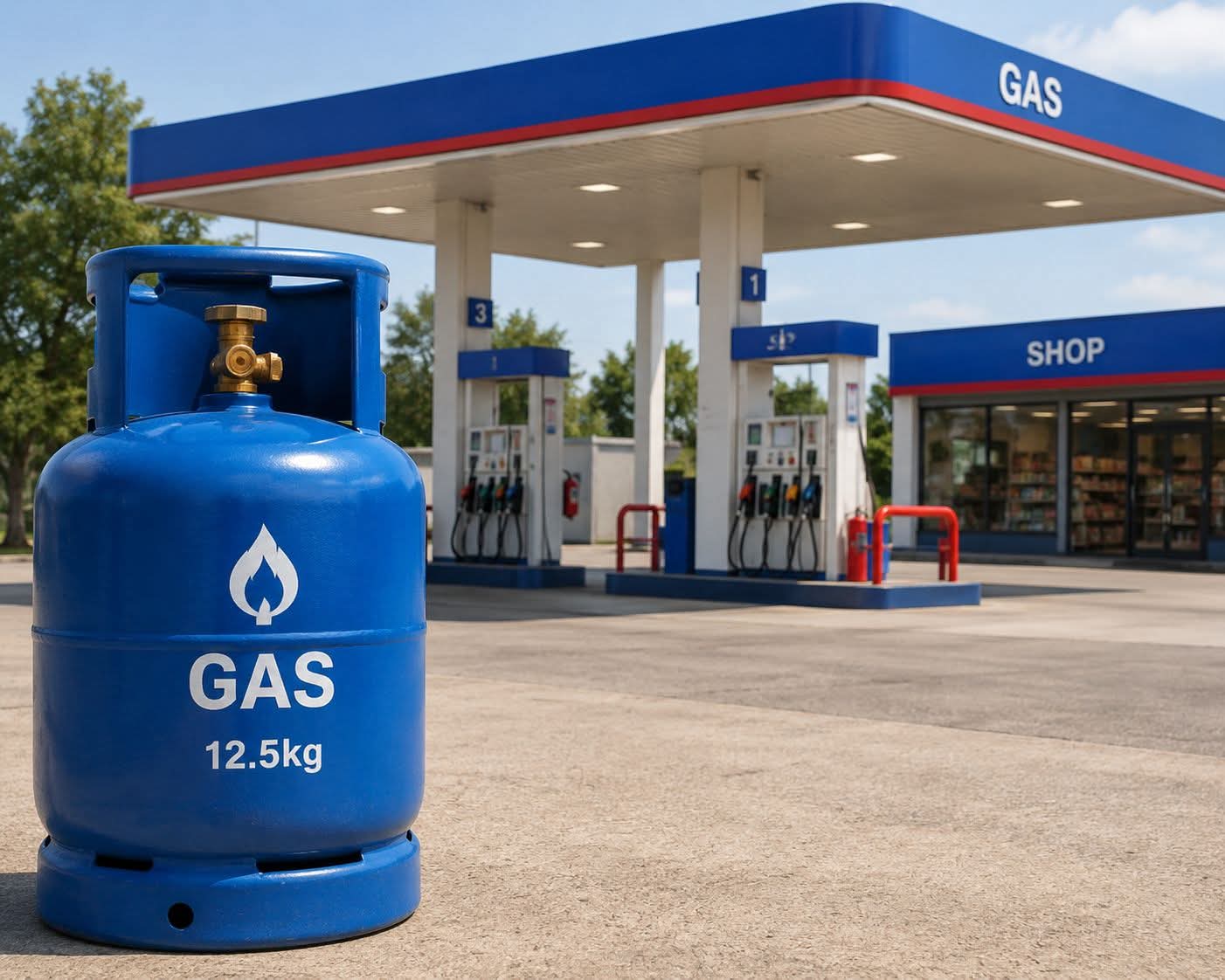
The price of Liquefied Petroleum Gas (LPG), popularly known as cooking gas, has fallen by 31.8 per cent, dropping from about N2,200 per kilogramme to N1,500/kg, providing significant relief to households grappling with the high cost of living.
President of the Nigerian Association of Liquefied Petroleum Gas Marketers (NALPGAM), Edu Inyang, attributed the decline to sustained collaboration among industry stakeholders, regulators and government agencies aimed at improving supply and stabilising the domestic LPG market.
Addressing Journalists, Inyang said the price reduction followed a series of consultations with key players in the sector to address the factors that had previously driven up the cost of cooking gas.
According to him, the coordinated efforts have improved product availability, eased supply constraints and contributed to the downward adjustment in prices across the country.
“The consultations have yielded positive results. Product availability has improved and confidence has returned to the market, which has helped bring down prices,” he said.
The latest price represents a reduction of N700 per kilogramme from the previous high of N2,200/kg, translating to a 31.8 per cent decline.
The development comes after months of concern over soaring LPG prices, which had forced many households to cut back on consumption or switch to alternative cooking fuels.
On the sustainability of the price drop, Inyang expressed optimism that consumers could see further reductions if current market conditions persist.
“We expect the downward trend to continue. However, prices are influenced by a number of factors, including international market conditions, foreign exchange rates and logistics costs. If these remain favourable, consumers should continue to enjoy lower prices,” he stated.
He noted that efforts by regulators and industry operators to improve supply and remove bottlenecks in the LPG value chain were beginning to yield positive results.
Commenting on the liberalisation of the LPG market, the NALPGAM president said marketers with the requisite capacity were prepared to take advantage of import opportunities to boost supply and deepen competition.
According to him, increased participation by private operators in product importation would enhance market efficiency and help moderate prices over the long term.
The decline in cooking gas prices is expected to provide relief for millions of Nigerians grappling with high living costs and rising energy expenses.
Recall that amid concerns over rising cooking gas prices and supply disruptions, the Federal Government on Monday directed regulatory and security agencies to crack down on the diversion, hoarding and illegal storage of Liquefied Petroleum Gas (LPG) to safeguard supply and restore stability to the market.
Minister of State Petroleum Resources (Gas), Mr. Ekperikpe Ekpo, gave the directive in Abuja at an emergency stakeholder engagement convened to develop coordinated solutions to the recent increase in cooking gas prices.
The Minister described the rising cost of LPG as a matter of national concern with significant implications for households, small businesses and economic stability.
He, however, assured that the Federal Government remained committed to easing the burden on Nigerians.
Ekpo directed the Nigerian Midstream and Downstream Petroleum Regulatory Authority (NMDPRA) to strengthen market oversight, develop a robust pricing framework to guide the market, and sanction operators engaged in practices that distort the market.
He also urged the NMDPRA to collaborate with the Department of State Services (DSS), the Economic and Financial Crimes Commission (EFCC) and the Nigeria Police Force to support enforcement efforts, eliminate artificial scarcity and ensure the uninterrupted movement of LPG across the country.
“We have directed the NMDPRA to intensify monitoring, engage operators and work with security agencies to discourage hoar