
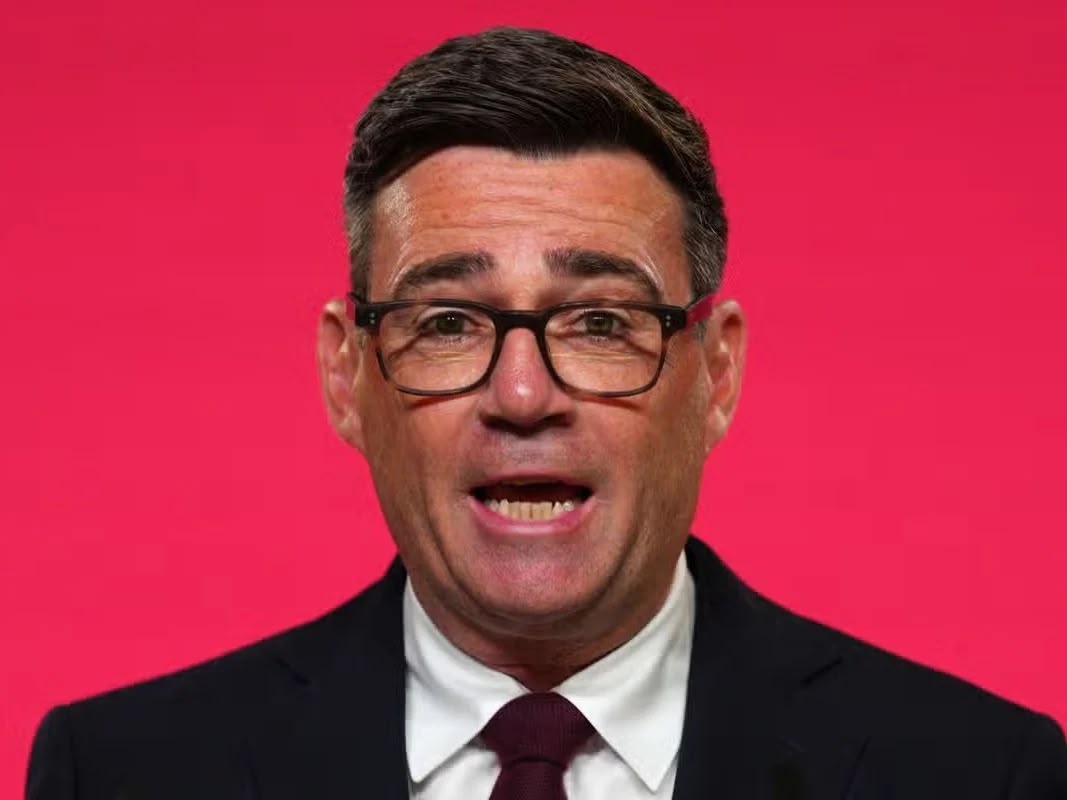
Andy Burnham is expected to be sworn in as Britain’s new prime minister on Monday, July 20, 2026, becoming the country’s seventh leader in a decade as he takes charge at a time of significant economic and political challenges.
Burnham succeeds Keir Starmer, who resigned in June 2026 following a series of political scandals, policy reversals and leadership setbacks, just two years after leading the Labour Party to a landslide victory in the 2024 general election that ended 14 years of Conservative rule.
The transition of power will begin with Starmer travelling to Buckingham Palace on Monday morning to formally tender his resignation to King Charles III. The monarch is then expected to invite Burnham to form a new government before the incoming prime minister returns to 10 Downing Street to deliver his first address to the nation.
According to his team, Burnham will use the speech to outline his administration’s priorities, including restoring public confidence in government, tackling the cost of living crisis, accelerating economic growth and devolving more powers to regional authorities.
He is also expected to announce his first cabinet appointments, with attention focused on who will replace Rachel Reeves as Chancellor of the Exchequer.
Burnham, the former Mayor of Greater Manchester, was brought back into frontline politics after Labour lawmakers backed him to replace Starmer, believing he is best positioned to revive the party’s fortunes and counter the growing popularity of Nigel Farage’s Reform UK.
Deputy Labour Party leader Lucy Powell said Burnham’s experience leading Greater Manchester gives him a deeper understanding of the sweeping reforms needed to fulfil Labour’s promises to voters.
Among the immediate challenges awaiting the new prime minister are weak economic growth, high government borrowing costs, rising welfare spending and continued irregular migration across the English Channel. His administration will also have to navigate global pressures, including volatile energy prices linked to the US-Iran conflict and the unpredictable policies of US President Donald Trump.
Powell said Burnham intends to overhaul Britain’s highly centralised system of government and pursue policies that prioritise working families, affordable housing, secure jobs and greater opportunities for young people.
Burnham served as a Labour MP from 2001 to 2017 and held ministerial positions under former prime ministers Tony Blair and Gordon Brown before becoming Mayor of Greater Manchester. He returned to Parliament only four weeks ago ahead of the Labour leadership transition.
Political analysts say Burnham has limited time to reverse Labour’s declining popularity before the next general election, expected in 2029, with Reform UK currently performing strongly in opinion polls.
Addressing supporters on Friday, Burnham described his leadership as Labour’s “last chance” to rebuild public trust and deliver meaningful change.
In his first major policy decision, announced on Saturday, July 18, 2026, Burnham scrapped the nationwide digital identity scheme introduced under Starmer’s administration. The programme, estimated to cost £1.8 billion over three years, will be discontinued, with the funds redirected towards easing the cost of living and other pressing national priorities.
Burnham is also expected to begin consultations with senior ministers this week on measures to stimulate economic growth, reform public services and strengthen regional governance as his administration seeks to make an early impact.
Source: AFP.