
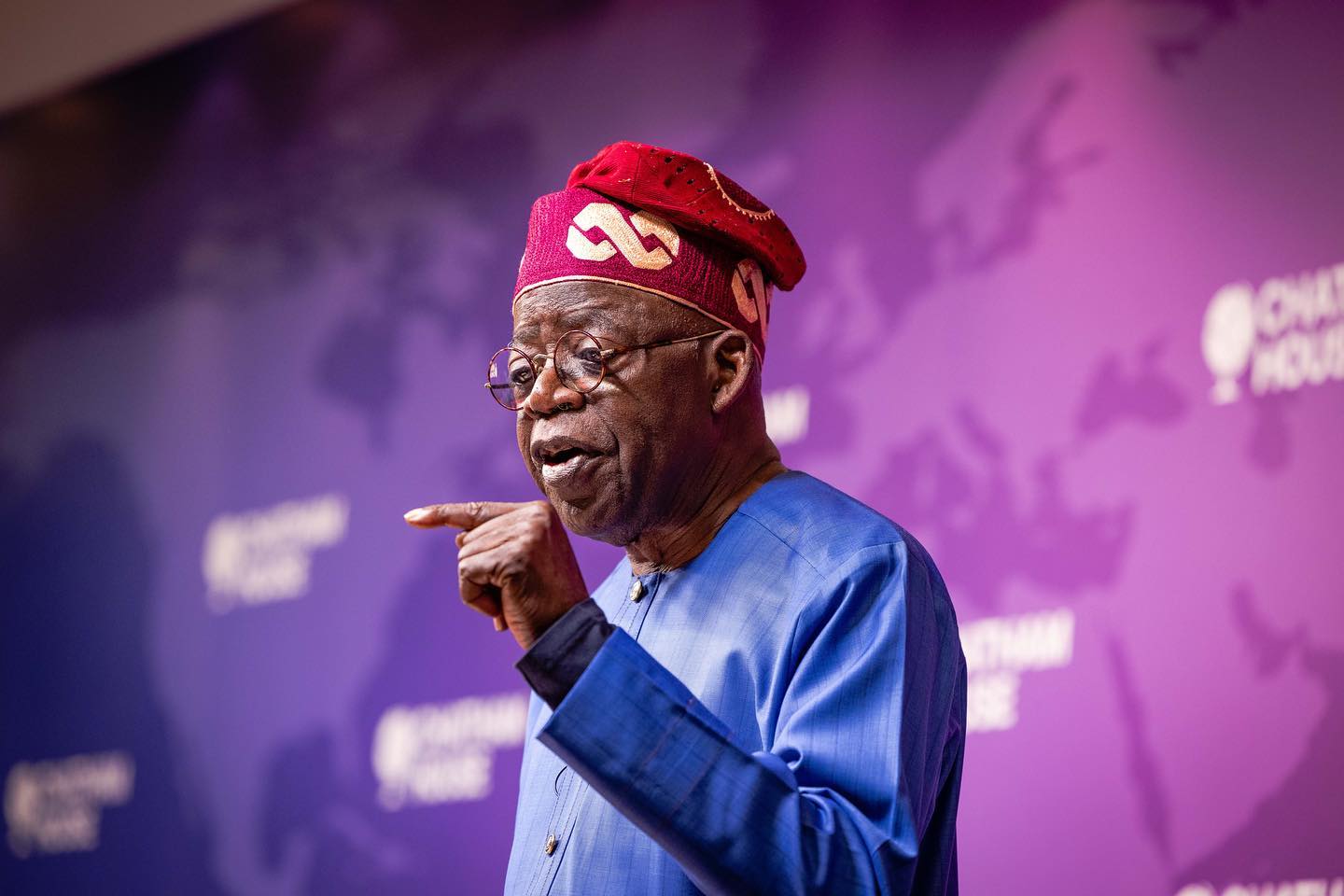
President Bola Tinubu has called on West African leaders to speak with one voice against the recent xenophobic attacks targeting Nigerians and other African nationals in South Africa, urging the Economic Community of West African States (ECOWAS) to escalate the matter to the African Union (AU).
Represented by Vice President Kashim Shettima at the 69th Ordinary Session of the ECOWAS Authority of Heads of State and Government in Freetown on Sunday, Mr Tinubu described the attacks as unacceptable and warned that silence could embolden further acts of violence against Africans living in other countries on the continent.
“Nigeria condemns, in the strongest terms, the recent attacks on its citizens and other Africans in the Republic of South Africa,” he said.
The president called on ECOWAS to present a united front and ensure the issue is tabled at the next meeting of the African Union Assembly of Heads of State and Government.
“This would send a clear message that this type of intolerance is totally unacceptable under any guise,” Tinubu said.
He also reminded South Africa of the support it received from African nations during the struggle against apartheid.
“South Africa should be reminded that the freedom it currently enjoys is the result of the sacrifices and liberation efforts of African countries, including Nigeria,” he added.
Tinubu disclosed that Nigeria had already evacuated more than 1,490 citizens from South Africa in seven separate operations following the attacks and said the government remained prepared to take further measures to protect its nationals if necessary.
Beyond the xenophobic attacks, the Nigerian leader reaffirmed the country’s commitment to the newly adopted ECOWAS Compact for the Future of Regional Integration, describing it as a blueprint for strengthening unity, rebuilding trust in public institutions and ensuring the regional bloc remains effective in addressing emerging challenges.
“The Compact reflects our shared commitment to rebuilding trust between citizens and public institutions, ensuring that regional integration remains resilient and relevant in the face of evolving geopolitical realities,” he said.
On security, Tinubu urged member states to intensify cooperation against terrorism, violent extremism and unconstitutional changes of government, stressing that lasting development cannot be achieved without peace and stability.
“Nigeria remains firmly committed to the principles enshrined in the ECOWAS Protocol on Democracy and Good Governance,” he said. “Sustainable development cannot be achieved in an environment of insecurity and instability.”
He reaffirmed Nigeria’s support for establishing an ECOWAS Counter-Terrorism Force and strengthening the ECOWAS Standby Force to improve intelligence sharing, joint military operations and preventive diplomacy across the region.
Tinubu also urged West African countries to deepen economic integration by removing trade barriers, improving cross-border infrastructure and promoting the free movement of people, goods and services.
Highlighting the importance of technology, he welcomed plans for a regional digital single market, saying investments in artificial intelligence, cybersecurity and digital infrastructure would unlock new opportunities for entrepreneurship, education, financial inclusion and job creation, particularly for young people.
Opening the summit, Sierra Leone’s President and current ECOWAS Chair, Julius Maada Bio, said the bloc must honestly assess its progress while adapting to rapidly changing global realities.
“We should work on partnerships that expand our opportunities while remaining firmly anchored in our own interests,” Mr Bio said, adding that regional integration had become “a strategic necessity” rather than a choice.
The summit also witnessed the signing of the Intergovernmental Agreement for the African Atlantic Gas Pipeline (AAGP) project, a major regional initiative aimed at strengthening energy cooperation and boosting economic integration across West Africa.