
Lucky Obukohwo, Reporting
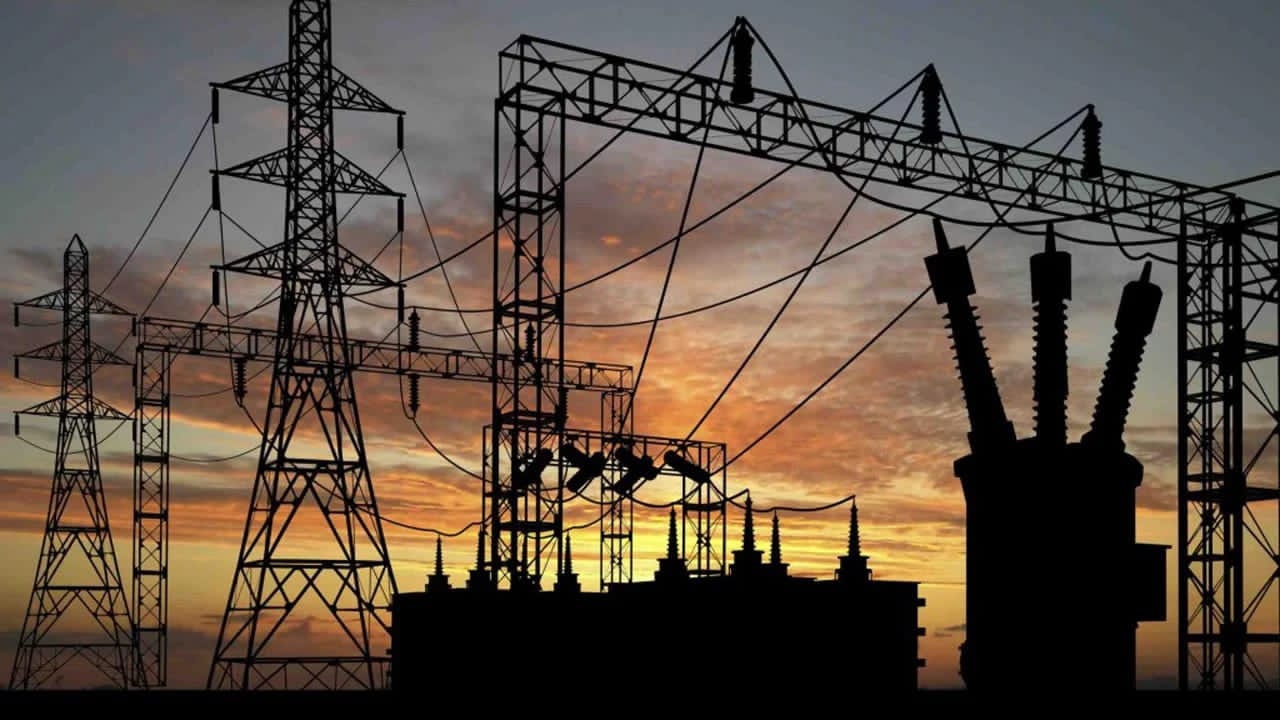
The Federal Government on Friday said there would be no immediate increase in electricity tariffs, even as it announced plans to begin phasing out electricity subsidies from 2027 as part of broader reforms to revive Nigeria’s struggling power sector.
Speaking at a Media Stakeholders Session in Lagos, the Minister of Power, Joseph Tegbe, said the gradual removal of subsidies is designed to restore the commercial viability of the electricity market while ensuring Nigerians continue to benefit from improved and more reliable electricity supply.
“There is no policy by this administration to increase electricity tariffs beyond its current level,” Tegbe said.
Tegbe said the government’s immediate priorities are to improve electricity supply, accelerate the rollout of universal metering and ensure consumers pay only for the electricity they use.
The planned subsidy phase-out comes as the Nigerian Electricity Supply Industry faces one of its worst liquidity crises in recent years, with outstanding government subsidy obligations and unpaid gas debts now exceeding N2.7 trillion.
Data from the Nigerian Bulk Electricity Trading Plc (NBET) show that the Federal Government’s outstanding electricity tariff shortfall rose to N1.78 trillion over an 11-month period, while debts owed to gas suppliers through the Gas Stabilisation Fund stood at N986.45 billion.
The growing liabilities have placed severe financial pressure on electricity generation companies and gas suppliers, intensifying concerns about the long-term sustainability of power generation.
The figures also indicate that between April 2025 and April 2026, electricity distribution companies issued invoices totalling N3.16 trillion.
Of this amount, the Federal Government was expected to fund N1.86 trillion about 58.8 per cent of the total to subsidise customers in Bands B to E, whose tariffs remain below cost-reflective levels.
The rising subsidy bill has deepened liquidity challenges across the electricity value chain, constraining generation companies’ ability to pay gas suppliers, carry out critical maintenance and invest in expanding generation capacity.
Against this backdrop, Tegbe said the Federal Government was advancing a Power Sector Bond initiative to settle longstanding obligations owed to generation companies, gas suppliers and other market participants.
According to him, clearing the legacy debts is critical to restoring investor confidence, unlocking fresh investment and returning commercial discipline to the Nigerian Electricity Supply Industry.
The minister also announced a comprehensive “Resetting the Sector” agenda designed to tackle structural weaknesses across generation, transmission, distribution and market governance.
He revealed that Nigeria had consistently generated about 5,000 megawatts over the past two weeks, attributing the improvement to better operational coordination across the electricity value chain.
However, he stressed that increased generation alone would not solve the country’s electricity crisis.
“Electricity must be generated, transmitted, distributed and paid for. All these components must function simultaneously,” he added.