

Lucky Obukohwo, Reporting
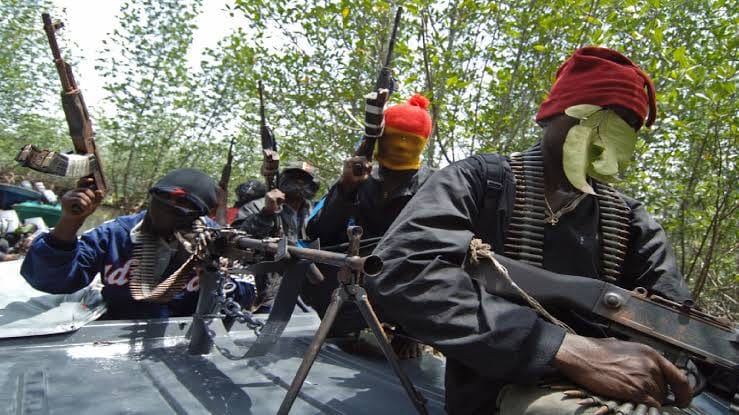
Former Kaduna Central Senator, Shehu Sani, has challenged political leaders, security chiefs and other influential stakeholders in Northern Nigeria to take responsibility for their failure to prevent the spread of banditry and terrorism that first ravaged parts of the region before spilling into other parts of the country and neighbouring nations.
Sani described as dishonest the continued attempts by political leaders to blame successive administrations for the country’s worsening security crisis while overlooking the failures of northern politicians and security officials who occupied strategic positions as banditry, terrorism and other forms of violent crime escalated.
The former lawmaker made the remarks in a post on his Facebook page, expressing concern over the devastating toll of criminal gangs and Boko Haram insurgents on communities, particularly across Northern Nigeria.
He said the prolonged violence had exposed thousands of Nigerians to indiscriminate killings, abductions, rape, ransom demands and mass displacement, while leaving entire communities shattered and millions of residents trapped in a cycle of fear, poverty and uncertainty.
Sani argued that the security crisis should not be reduced to a political blame game, insisting that those who held positions of influence when the violence intensified must also account for what they did or failed to doto confront the growing threat.
He maintained that meaningful solutions would remain elusive unless political leaders and other stakeholders were prepared to acknowledge their own failures, confront the factors that enabled the violence to thrive and take collective responsibility for restoring security and rebuilding communities devastated by years of conflict.
“The orphans and widows generated by banditry and terrorism are now IDPs in our cities and refugees in our neighbouring countries,” he said.
Sani noted that neighbouring Chad, Cameroon and Niger were also grappling with security challenges which, according to him, had their origins in northern Nigeria.
He criticised what he described as selective outrage over insecurity, arguing that some northern political actors were quick to blame former President Goodluck Jonathan and now President Bola Tinubu while being reluctant to subject the administration of the late President Muhammadu Buhari to the same scrutiny.
“We blamed GEJ, skipped and pampered Buhari and now blaming Tinubu for the infernos those in office couldn’t automatically quench. We are asking for a miracle and magic we failed to perform.”
Sani recalled that there was a period when virtually all the country’s defence and security chiefs came from the North, yet the region’s security problems persisted and, in some instances, deteriorated.
According to him, the officials “met us with bandits and left us with more bandits.”
Sani argued that the security crisis should therefore not be viewed solely through the performance of the current administration, saying northern leaders who previously exercised political and security authority must also account for their stewardship.
He accused some people in the region of directing their anger at convenient political targets rather than confronting terrorists and bandits or questioning leaders who failed to contain them.
“We are not angry with the bandits and terrorists. We are not angry with our own who failed to treat the cancer.
“Our anger is reserved for scapegoats and anyone other than our own,” he said.
Sani also weighed in on criticism of former Chief of Defence Staff, Christopher Musa, arguing that scrutiny of his performance should not be applied selectively while former political office holders were insulated from responsibility.
“It’s said that Musa failed as a Defence chief, but all those revered as opposition messiahs were also once in office like Musa,” he said.
He suggested that Musa might have attracted applause from some quarters if he had blamed Jonathan or Tinubu for the killings rather than directing criticism elsewhere.
He said political considerations had increasingly overshadowed concern for victims of terrorism and banditry, with politicians and their supporters more interested in protecting the reputation of political leaders than demanding accountability for those killed, abducted or displaced.
“We march over the graves of the victims of banditry and terrorism in the course and cause of defending the image of our leaders who failed them,” he said.
Sani said meaningful solutions to insecurity would remain difficult unless the region was prepared to acknowledge uncomfortable truths about the origins of the crisis and the failures of those entrusted with addressing it.
Likening the situation to a patient unwilling to accept a medical diagnosis, he said: “We are patients who want our diseases to be treated and cured, but we don’t want to accept and read the lab results; we want to write our own lab reports.”
Most Viewed Posts
- Supporting Siminalayi Fubara: Why Rivers People Deserve Continuity Of Purpose In 2027 – Dr William Omuna
- President Tinubu’s Achievements That Strengthen Case For Second Term – Amuna
- William Omuna Declares Bid For Rivers East Senate, Says It Deserves Senator Who Shows Up
- Budget Without Representation: Outrage as Senator Natasha Alleges Institutional Marginalisation – By Darlington Okpebholo Ray
- Praying for Survival: Inside Nigeria’s Unchecked Violence Against Christians — By Darlington Okpebholo Ray