
CROSS RIVER, CALABAR – A survivor’s cry for help should not get lost between the police station, hospital and support services, a concern driving fresh calls in Cross River for tighter coordination in the response to gender-based violence.
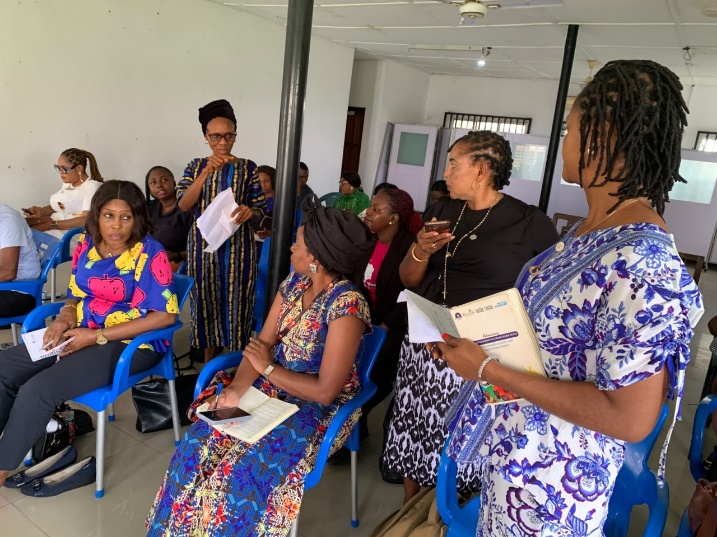
Stakeholders made the call during a quarterly GBV Technical Working Group meeting in Calabar, where organisations including Gender and Development Action (GADA) reviewed cases and discussed ways to strengthen the management and referral of survivors.
Joshua Oti, a stakeholder at the meeting, called for stronger working relationships between police divisions and General Hospitals to ensure survivors receive prompt services after cases are reported.
He stressed the importance of closer coordination among institutions responsible for receiving complaints, providing medical attention and supporting survivors through the response process.
For GADA, the need for effective coordination was also reflected in cases presented by Roseline Unimuke, who represented the organisation at the meeting.
Unimuke presented two cases, including an alleged gang rape of a minor in Ikang involving four boys, highlighting the need for effective investigation, referral and follow-up after a case is reported.
According to the presentation, the suspects were arrested by the Ikang Police Division and transferred to the police headquarters for prosecution.
Concerns were, however, raised about whether the case had been properly investigated by the investigating police officer, underscoring the importance of effective communication between community-based GBV responders and law-enforcement authorities.
The case discussion also raised questions about whether a rape case could be discontinued because the survivor’s father failed to appear in court, bringing attention to the challenges that can arise as cases move from reporting to prosecution.
Commissioner for Women Affairs, Hon. Edema Irom, called for improved survivor services, stressing that data gathered from GBV cases should translate into real-time programming and interventions.
She said stronger collaboration among stakeholders was necessary to ensure that survivors receive the support required after reporting abuse.
The meeting brought together more than 39 stakeholders and Ministry of Women Affairs officials, with participating organisations presenting cases involving rape, intimate partner violence, domestic violence, child abuse, physical assault, psychological and emotional abuse, economic violence and other forms of GBV.
The discussions highlighted the interconnected roles of police, health facilities, government agencies and civil society organisations such as GADA in responding to survivors.
The Technical Working Group meeting was organised in partnership with the United Nations Population Fund to collate GBV data and strengthen collaboration for more effective case management.
The stakeholders therefore stressed the need for a response system in which a survivor can move more effectively from reporting to medical care, protection, psychosocial support and appropriate legal action.
Most Viewed Posts
- Supporting Siminalayi Fubara: Why Rivers People Deserve Continuity Of Purpose In 2027 – Dr William Omuna
- President Tinubu’s Achievements That Strengthen Case For Second Term – Amuna
- William Omuna Declares Bid For Rivers East Senate, Says It Deserves Senator Who Shows Up
- Budget Without Representation: Outrage as Senator Natasha Alleges Institutional Marginalisation – By Darlington Okpebholo Ray
- EFCC Arraigns Gombe Magistrate Over Alleged ₦1.4m Bribery