

A Special Geopolitical and Economic Analysis | London, United Kingdom | 31 August 2026
Sudan presents one of the most disturbing contradictions in contemporary African history: a country endowed with enormous natural resources, fertile agricultural land and considerable economic potential, yet condemned to devastating hunger, widespread displacement, acute poverty and relentless political instability. Beneath its soil lie substantial deposits of gold, copper, iron ore and other commercially valuable minerals, while its agricultural landscape offers opportunities capable of supporting food production and regional trade. Nevertheless, millions of Sudanese citizens remain trapped in an increasingly desperate struggle for survival. This painful contradiction raises fundamental questions about governance, resource ownership, foreign economic interests and the enduring inability of resource-rich African countries to translate their natural wealth into prosperity for ordinary citizens. Sudan’s predicament is not simply a story of poverty in a developing country; it is a profound indictment of a political and economic system in which the abundance of national wealth has failed to guarantee even the most elementary necessities of human existence.
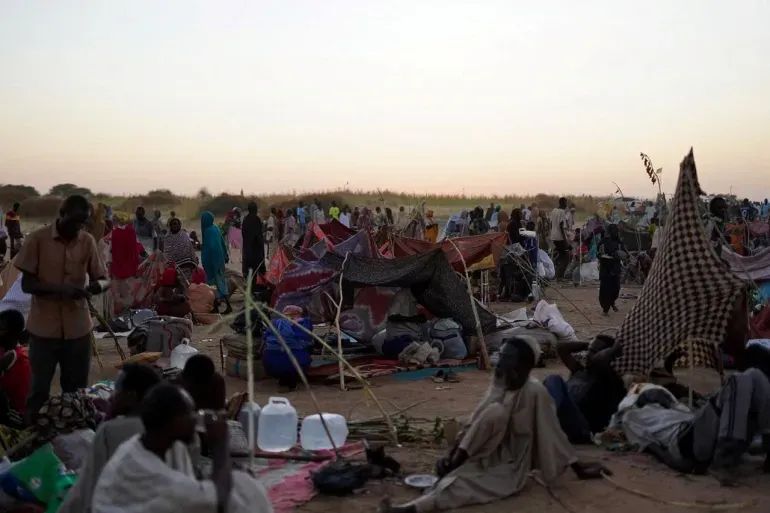
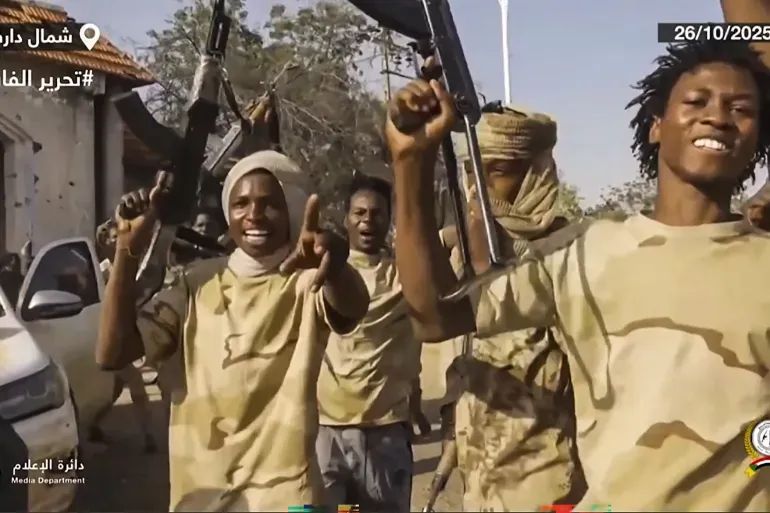
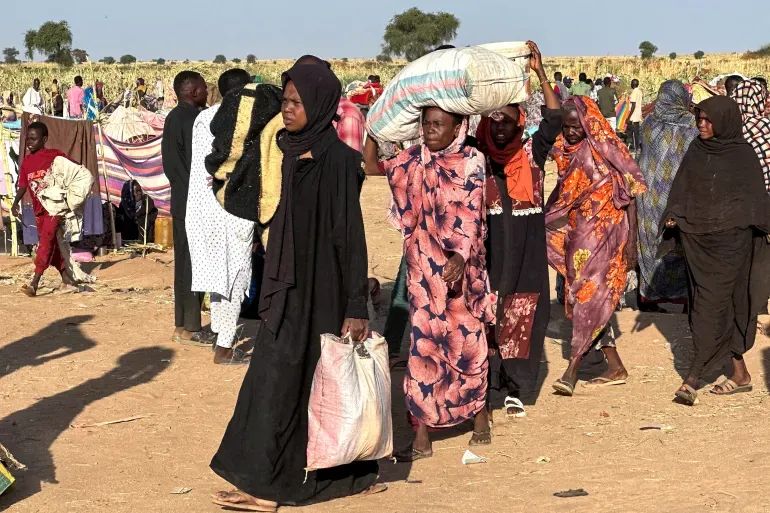
Since the outbreak of armed hostilities in April 2023 between the Sudanese Armed Forces, led by General Abdel Fattah al-Burhan, and the Rapid Support Forces, commanded by Mohamed Hamdan Dagalo, popularly known as Hemedti, Sudan has descended into one of the gravest humanitarian catastrophes of the twenty-first century. What began as a violent struggle for military and political supremacy has progressively dismantled the country’s already fragile economic foundations, destroyed productive infrastructure and devastated communities that previously depended on agriculture, commerce and informal employment. Hospitals, schools, markets and residential neighbourhoods have suffered extensive destruction, while millions of families have been forced to abandon their homes and livelihoods. The tragedy is compounded by the reality that this conflict is being fought in a country whose natural resources, if transparently and responsibly managed, could provide a substantial foundation for reconstruction, employment generation and economic development. Instead, the struggle for power has transformed Sudan’s wealth into an object of competition while its citizens bear the unbearable consequences of political ambition and institutional collapse.
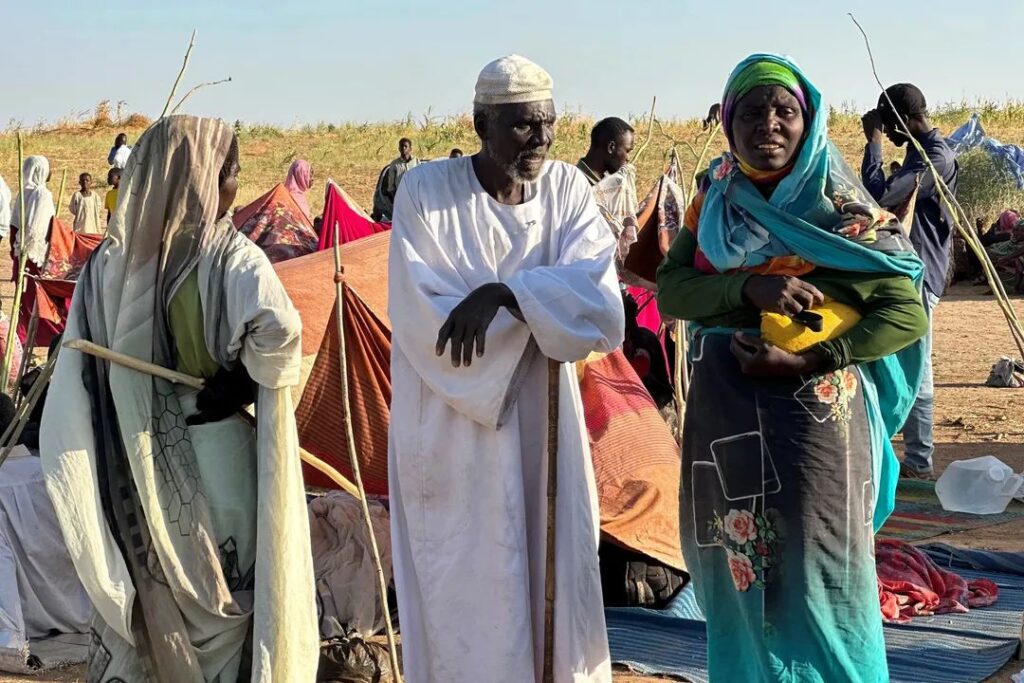
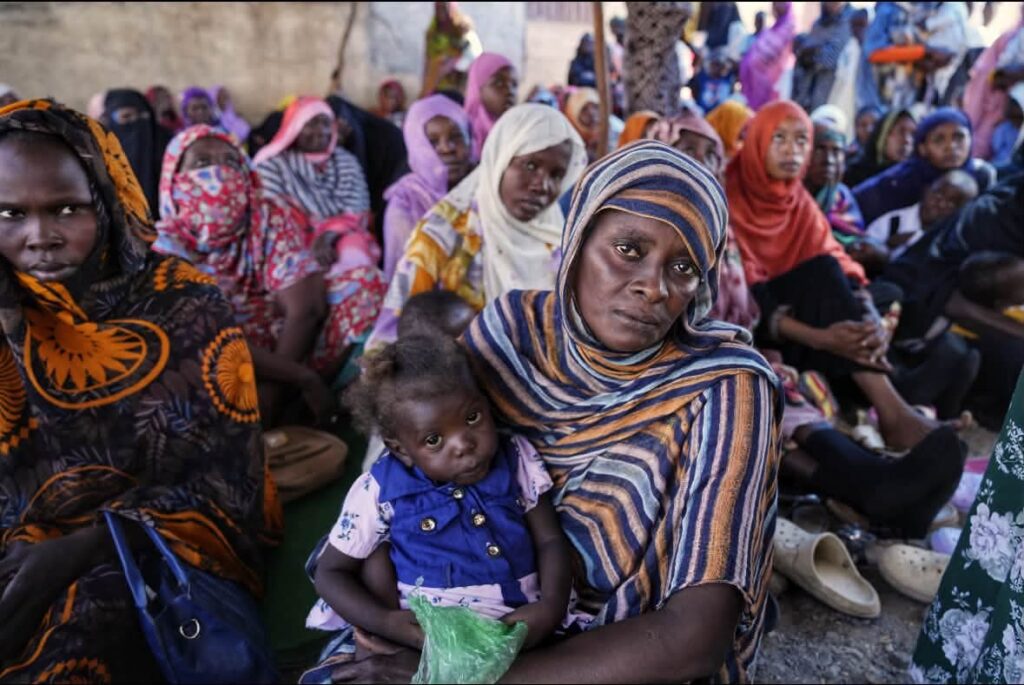
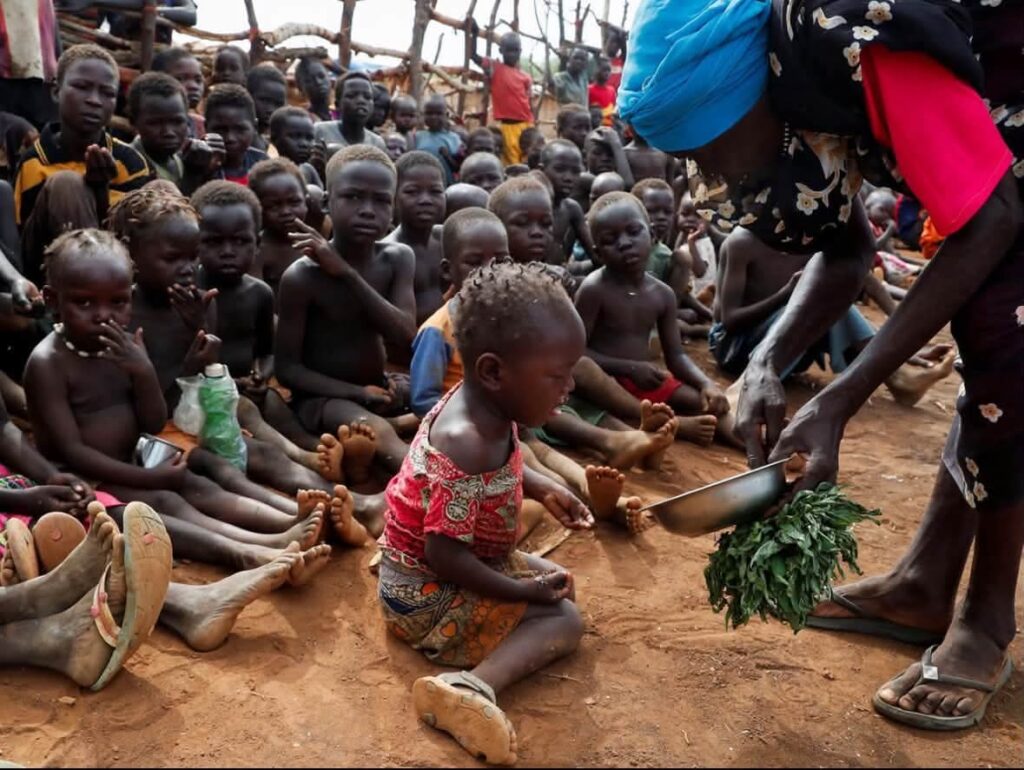
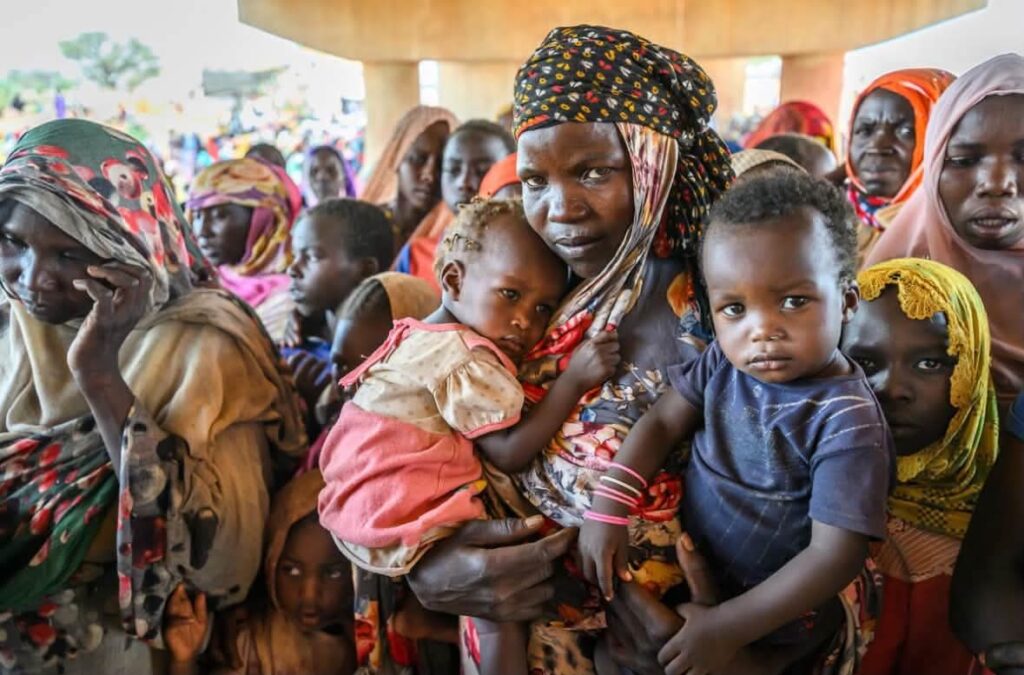
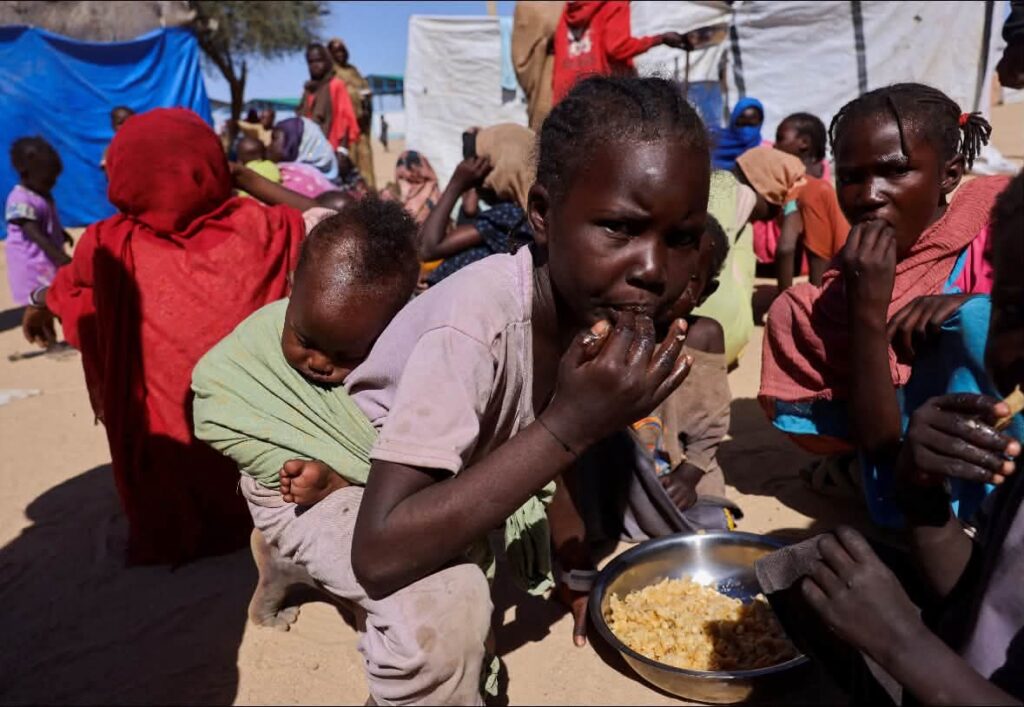
The magnitude of Sudan’s hunger emergency exposes the horrifying human consequences of this national disintegration. According to assessments by the United Nations World Food Programme and other humanitarian agencies, approximately 19.5 million Sudanese have experienced acute food insecurity, with millions facing emergency levels of hunger. Earlier assessments identified populations experiencing catastrophic food insecurity, the most severe classification, characterised by extreme deprivation and the threat of starvation. UNICEF has also projected that approximately 825,000 children under five could suffer severe acute malnutrition during 2026. These figures represent considerably more than statistical indicators; they reflect children whose physical development is threatened by prolonged hunger, mothers struggling to provide nourishment and families forced into impossible choices between food, medicine and shelter. Sudan is therefore confronting a devastating combination of armed conflict, agricultural disruption, climatic adversity and diminishing humanitarian assistance. The international community must recognise that hunger on this scale is not merely an unfortunate consequence of war but a preventable humanitarian catastrophe demanding immediate intervention.
Perhaps the greatest irony of Sudan’s economic tragedy lies in its extraordinary agricultural potential. The country possesses extensive cultivable land, access to the River Nile and a long-established agricultural tradition that could support significant domestic food production and agricultural exports. Yet the same nation capable of becoming an important contributor to Africa’s food security is struggling to feed its own population. Armed violence has displaced farming communities, disrupted irrigation systems, destroyed agricultural equipment and restricted access to markets, fertilisers and essential farming inputs. According to assessments by the Food and Agriculture Organization of the United Nations, agricultural production has suffered significant disruption as insecurity and adverse weather conditions continue to undermine farming activities. This contradiction demonstrates that food insecurity cannot be explained exclusively by the absence of fertile land or natural resources. Rather, Sudan’s agricultural decline reflects the devastating consequences of political instability, inadequate investment, weak institutions and the systematic destruction of productive livelihoods. A country blessed with agricultural resources should not be reduced to perpetual dependence on international food assistance when a functioning economy could enable its farmers to produce, process and distribute sufficient food for millions of households.
Beyond agriculture, Sudan’s considerable mineral wealth presents another dimension of its economic paradox. Gold has become one of the country’s most strategically important commodities, generating significant commercial interest from domestic operators, regional intermediaries and international trading networks. Sudan also possesses deposits of copper, iron and other minerals, although the commercial viability and scale of individual deposits vary considerably. The country’s resource endowment should provide opportunities for industrialisation, infrastructure development, employment creation and public revenue generation. Unfortunately, much of this potential has been undermined by illicit trading networks, weak regulatory oversight, corruption and the involvement of armed interests in mineral production and distribution. Gold, which should symbolise national prosperity, has instead become closely associated with struggles over economic power and the financing of armed organisations. The central question is no longer whether Sudan possesses sufficient natural wealth to improve the living standards of its people, but whether the political structures controlling that wealth are capable of distributing its benefits fairly. Unless mineral revenues are subjected to transparent public accounting, independent scrutiny and effective civilian oversight, Sudan risks perpetuating a system in which valuable resources leave the country while poverty remains firmly entrenched within its borders.
The interests of Western powers in Sudan must be examined within the broader geopolitical competition for strategic resources, regional influence and commercial opportunities across Africa. The United States and European countries have legitimate interests in regional stability, humanitarian protection, international trade and secure access to strategically important commodities. Sudan’s geographical position, connecting North Africa, the Sahel, the Horn of Africa and the Red Sea corridor, further increases its international significance. Access to Red Sea shipping routes, the security of neighbouring states and the potential expansion of mineral supply chains all influence Western strategic calculations. Nevertheless, it would be intellectually dishonest to suggest that Western engagement is driven exclusively by humanitarian compassion, just as it would be inaccurate to assume that every Western initiative is designed to exploit Sudan. International relations frequently involve overlapping economic, diplomatic and security interests. The critical concern is whether these interests are pursued through arrangements that respect Sudanese sovereignty, strengthen accountable civilian institutions and deliver measurable improvements in the lives of ordinary citizens. Western governments must demonstrate that their commitment to Sudan extends beyond strategic competition and access to resources to include meaningful support for peace, economic reconstruction and democratic accountability.
Equally significant is the involvement of other international and regional powers whose interests complicate Sudan’s already fragile political landscape. Russia has historically pursued military and commercial relationships with Sudan, including interests connected to gold and access to the Red Sea, while China has maintained substantial economic interests in Sudanese infrastructure and energy development. Gulf states have also played important roles in Sudan’s agricultural investment, gold trade and regional diplomacy. The United Arab Emirates, in particular, has faced serious allegations concerning external support for the Rapid Support Forces, allegations its government has denied. These competing relationships illustrate how Sudan has become entangled in a wider contest involving mineral resources, commercial influence, military partnerships and regional security. However, responsibility for the country’s devastation cannot be transferred entirely to foreign governments. Sudanese military commanders, political elites and armed organisations remain directly accountable for their decisions and conduct. Foreign interference may aggravate instability, but domestic struggles for power, institutional failures and the militarisation of economic resources have also contributed profoundly to the catastrophe. Sustainable peace will require confronting both dimensions rather than presenting Sudanese citizens as helpless victims of external forces alone.
The economic consequences of Sudan’s prolonged instability are staggering. According to the World Bank, the country’s real gross domestic product contracted by approximately 29.4 per cent in 2023 and a further 14 per cent in 2024, reflecting one of the most severe economic collapses experienced in recent history. Although modest growth was estimated for 2025, this recovery followed an exceptionally deep contraction and did not reverse the widespread destruction of livelihoods. More disturbing is the World Bank’s estimate that extreme poverty increased from approximately 48 per cent of the population in 2023 to 59 per cent in 2025. This means that an estimated three out of every five Sudanese were living in extreme poverty despite the country’s substantial natural endowments. Such figures reveal the inadequacy of measuring national prosperity solely through mineral deposits, agricultural potential or export earnings. Genuine economic development must be reflected in household incomes, affordable food, functioning hospitals, accessible education, reliable electricity and opportunities for productive employment. Sudan’s experience demonstrates that natural wealth without accountable governance can coexist with mass deprivation, while economic resources captured by narrow political and military interests may deepen rather than alleviate inequality.
Against this background, renewed American interest in Sudan’s mineral and agricultural sectors deserves careful scrutiny. The Sudan Investing in Minerals, Partnership, Agriculture, Commerce and Trade Act, introduced in the United States Congress in October 2026, proposes a framework through which American technology and expertise could support Sudanese agriculture and mineral development in exchange for access to selected natural resources. Importantly, the initiative remains proposed legislation rather than a completed bilateral agreement. Nevertheless, it raises legitimate questions about the future direction of American economic engagement with Sudan. Properly structured cooperation could provide modern irrigation systems, mining technology, agricultural machinery, technical training and investment capable of revitalising productive sectors. Conversely, an arrangement that prioritises access to valuable minerals without guaranteeing fair compensation, environmental protection, local employment and technology transfer could reinforce the longstanding pattern of African countries exporting raw materials while importing expensive manufactured products. Any future agreement must therefore be assessed not merely by its financial value or diplomatic significance, but by the extent to which it strengthens Sudan’s productive capacity and ensures that Sudanese citizens retain a meaningful share of the wealth generated from their national resources.
The wider international response to Sudan’s suffering also exposes troubling contradictions in contemporary global diplomacy. Western governments have repeatedly expressed concern about civilian casualties, displacement, hunger and violations of international humanitarian law, while humanitarian organisations continue to struggle with insufficient resources to address the emergency. The World Food Programme has warned that funding shortages are forcing reductions in food assistance, leaving vulnerable households with diminished support at precisely the moment their needs are becoming more desperate. The United States and European governments have provided humanitarian assistance and pursued diplomatic initiatives, but their efforts, alongside those of other international actors, have yet to produce a durable cessation of hostilities. The challenge is therefore not simply to increase the volume of international declarations condemning violence, but to translate diplomatic influence into effective civilian protection, unrestricted humanitarian access and sustained financial support for emergency relief. Governments capable of mobilising substantial resources for strategic and security priorities must also recognise the moral urgency of preventing mass starvation. The credibility of international engagement with Sudan will ultimately depend on whether the protection of human life receives attention commensurate with the country’s geopolitical and economic importance.
For Sudan to escape this destructive cycle, the country’s natural resources must become instruments of national development rather than incentives for armed competition and political patronage. The restoration of peace must be accompanied by credible civilian institutions, transparent mineral licensing, independent revenue auditing, enforceable anti-corruption measures and an equitable framework for distributing national income. A meaningful proportion of proceeds from gold production and other extractive activities should support agricultural rehabilitation, education, healthcare, electricity generation, transportation infrastructure and employment programmes. Particular attention must be given to communities whose lands and livelihoods are affected by mining operations, ensuring that economic development does not become another source of displacement or environmental destruction. International partnerships should also prioritise domestic processing industries, technical education and the transfer of productive knowledge rather than perpetuating Sudan’s dependence on exporting unprocessed commodities. Above all, the Sudanese people must have a decisive voice in determining how their country’s wealth is managed. Economic reconstruction imposed through opaque agreements between foreign commercial interests and unaccountable domestic authorities would risk reproducing the very inequalities that have contributed to Sudan’s historical instability.
Ultimately, Sudan’s tragedy should serve as a powerful warning to Africa and the wider international community that the possession of enormous natural resources does not automatically translate into national prosperity. A country rich in gold should not have millions of citizens confronting starvation; a nation blessed with fertile land should not witness children dying from preventable malnutrition; and a society endowed with considerable economic potential should not remain trapped in a seemingly endless struggle for political survival. Yet the solution cannot be found in blaming foreign powers alone, nor can it emerge from commercial agreements that ignore the fundamental requirements of peace, accountability and human dignity. Sudan needs an immediate end to hostilities, protection for civilians, unrestricted humanitarian assistance, the restoration of legitimate civilian governance and an economic framework that places national development above private enrichment. Western powers, regional governments and other international partners must recognise that their long-term interests are better served by a peaceful, economically productive Sudan than by a devastated country whose resources remain contested.
The greatest injustice in Sudan is not that the country lacks wealth, but that its extraordinary wealth has failed to protect millions of its citizens from hunger, poverty and despair. Until the gold beneath Sudanese soil begins to improve the lives of the people living above it, the promise of national independence and economic sovereignty will remain tragically unfulfilled.
ABOUT THE AUTHOR
Ambassador Pastor Darlington Okpebholo Ray, MSc, ACIPD
Investigative Journalist and Editor-in-Chief, Truth Live News International
United Nations Global Peace Ambassador
Member, British Association of Journalists (BAJ)
London, United Kingdom
Sources acknowledged: United Nations World Food Programme (WFP), United Nations Children’s Fund (UNICEF), Food and Agriculture Organization (FAO), World Bank, World Health Organization (WHO), and United States Congressional legislative records.
© 2026 Truth Live News International. All Rights Reserved.