
“Violence is the last refuge of the incompetent.” — Isaac Asimov
The ruling All Progressives Congress (APC) appears to have taken political intolerance and the struggle for power to a disturbing extreme as Nigeria gradually approaches the 2027 presidential election. The growing allegations of intimidation, harassment, political threats and violent attacks against opposition parties and their supporters raise serious concerns about the future of democracy in Africa’s most populous nation. Unfortunately, these developments are hardly surprising to Nigerians who witnessed the troubling political atmosphere surrounding the 2023 general elections.
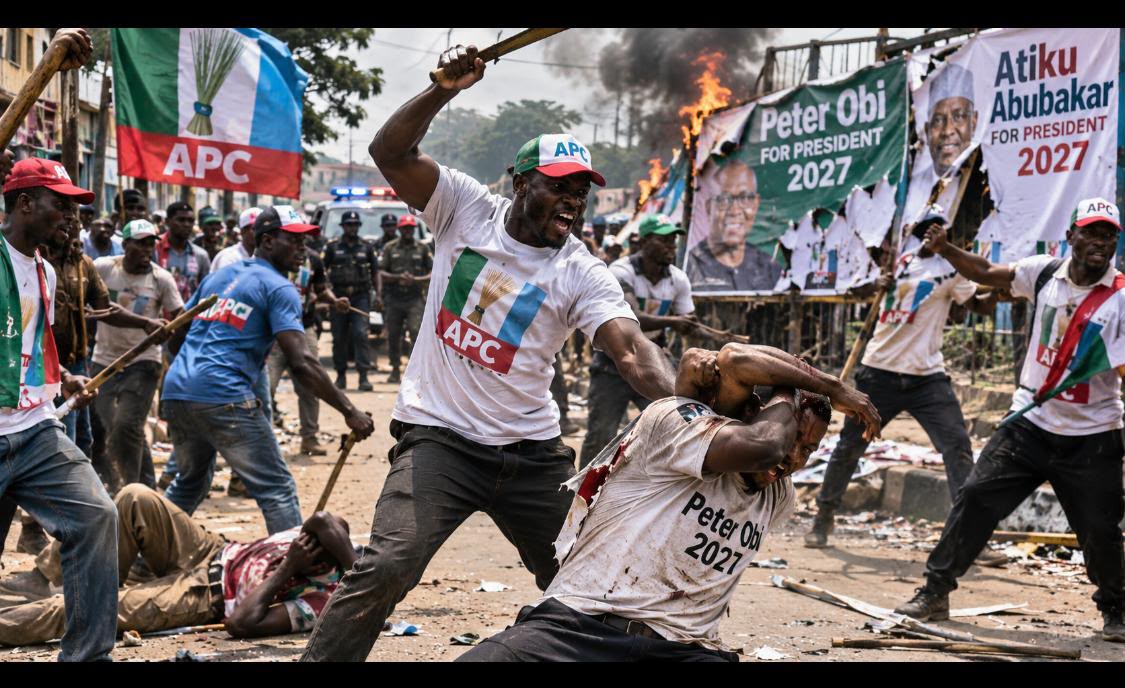
What should ordinarily be a healthy contest of ideas, policies and leadership competence is increasingly being overshadowed by fear, hostility and allegations of organised political violence.
Even before the official commencement of election campaigns, statements attributed to certain APC governors, state party chairmen and other political officeholders have raised concerns about the freedom of opposition parties to campaign across the federation. Reports of political leaders warning opposition candidates against entering their states for campaign activities represent a dangerous departure from democratic principles.
In a constitutional democracy, no governor, minister or political party possesses the authority to determine which opposition candidate may campaign in any part of Nigeria. Every Nigerian political party and candidate has an equal constitutional right to peaceful political participation.
Particularly disturbing are allegations that some local government chairmen, councillors and political loyalists have been encouraged or instructed to frustrate opposition activities through the destruction of campaign billboards, posters and other political materials. Supporters of prominent opposition figures, including Peter Obi and Atiku Abubakar, have repeatedly expressed concerns about intimidation and the targeting of their political activities. Where such allegations are substantiated, they constitute more than ordinary political misconduct.
They represent deliberate attempts to undermine political competition, suppress dissenting voices and deny citizens the freedom to make independent electoral choices.
Across social media platforms, videos purporting to show governors, ministers and other influential political figures issuing threats against opposition parties continue to generate public concern. Although individual recordings must be independently authenticated and examined within their proper contexts, the wider atmosphere of inflammatory political rhetoric deserves urgent attention.
Nigeria cannot afford a political culture in which threats are normalised simply because those making them occupy powerful government positions. The international community, democratic institutions and human rights organisations must pay close attention to credible evidence of political intimidation and demand accountability wherever violations are established.
The National Peace Committee, chaired by former Head of State General Abdulsalami Abubakar, has over the years played an important role in encouraging presidential candidates and political parties to embrace peaceful elections through the signing of peace accords.
Unfortunately, the recurring reports of electoral violence, intimidation and attacks on political opponents have continued to undermine the spirit of those agreements. A peace accord should never become a ceremonial document signed before television cameras and subsequently abandoned when political interests are threatened. Its true value lies in the willingness of political leaders to honour their commitments through their words, conduct and the actions of their supporters.
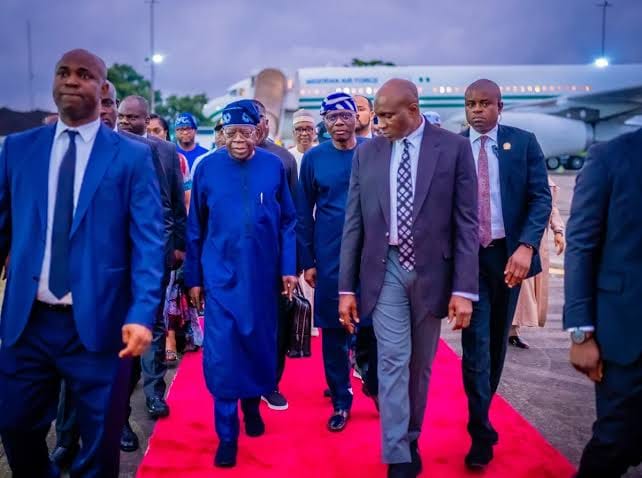
President Bola Ahmed Tinubu, as the country’s Commander in Chief, carries an enormous constitutional and moral responsibility to ensure that every Nigerian, regardless of political affiliation, enjoys equal protection under the law. His administration must demonstrate unequivocally that political violence will neither be tolerated nor rewarded.
Concerns about the government’s response to attacks on opposition activities deserve serious scrutiny, particularly where allegations suggest that perpetrators enjoy political protection. The President should publicly and consistently condemn electoral intimidation, demand impartial investigations and ensure that security agencies act without partisan considerations.
One of the greatest dangers confronting Nigerian democracy is the perception that the political party controlling the federal government also enjoys unrestricted access to the instruments of state coercion. The Nigeria Police Force, the Department of State Services and other security institutions exist to protect the Constitution and the Nigerian people, not the electoral interests of any political organisation. Where security agencies are perceived to act against opposition supporters while overlooking misconduct by ruling party loyalists, public confidence in democratic institutions inevitably deteriorates. Such perceptions must be addressed through transparent investigations, professional policing and equal enforcement of the law.
The APC must understand that political power is neither permanent nor hereditary. Nigeria belongs to over 200 million citizens, not to any president, governor, minister or political party. The fundamental purpose of democracy is to provide citizens with the opportunity to choose their leaders freely, without intimidation, coercion or fear of physical harm. Any political organisation that relies on threats, violence or the suppression of opposition voices to maintain its dominance risks exposing its inability to defend its record through persuasive policies, measurable achievements and credible arguments.
It is equally important to recognise that political violence is unacceptable regardless of the party responsible. Opposition supporters must also reject inflammatory language, personal attacks, threats and conduct capable of provoking unrest. Democracy cannot flourish where political disagreement becomes an excuse for physical confrontation or where political loyalty is considered more important than human life.
The responsibility to preserve peace belongs to every political stakeholder, but those entrusted with governmental authority bear a particularly heavy obligation to lead by example and prevent the misuse of public institutions.
As the 2027 presidential election approaches, the Independent National Electoral Commission, security agencies, civil society organisations and the National Peace Committee must intensify efforts to protect the integrity of the electoral process. Allegations of politically motivated violence should be investigated promptly, and individuals found responsible must face appropriate legal consequences regardless of their political connections. Electoral laws must be enforced consistently, while political parties should be required to demonstrate genuine commitment to peaceful campaigns. Without accountability, repeated peace declarations will amount to little more than empty political promises.
The international community, including the United Nations, African Union, Economic Community of West African States, Commonwealth and Nigeria’s democratic partners, should continue to monitor developments and support credible efforts to prevent electoral violence. Nigeria’s strategic importance to Africa makes the preservation of its democratic institutions a matter of considerable regional significance. However, the ultimate responsibility for protecting Nigerian democracy rests with Nigerians themselves. Citizens must reject political thuggery, resist attempts to divide communities along partisan lines and insist that elections are decided by legitimate votes rather than intimidation, manipulation or violence.
Ultimately, President Tinubu and the leadership of the APC must recognise that the legitimacy of political authority is strengthened by respect for democratic freedoms, not by the suppression of political opponents. Peter Obi, Atiku Abubakar and every other eligible political contender must be allowed to campaign peacefully in every state of the federation without fear of intimidation or violence.
Nigerians deserve an election in which ideas compete, policies are debated and leadership is determined by the freely expressed will of the electorate. History will judge political leaders not merely by the offices they occupied or the elections they won, but by their willingness to protect the democratic rights of those who opposed them.
Nigeria must never become a country where political ambition is valued above human life or where violence becomes an accepted instrument of electoral victory.
“An election won through violence is not a victory for democracy, but a defeat for the will of the people.”
Amb. Pastor Darlington O. Ray
Investigative Journalist, Human Rights Crusader and Political Analyst
Editor in Chief, Truth Live News International
London, United Kingdom
Most Viewed Posts
- Just In: APC Announces Date For Presidential Primary, Fixes Nomination Form At ₦100m
- Nationwide Relief as Dangote Reduces PMS Ex-Depot Price to ₦699
- Supporting Siminalayi Fubara: Why Rivers People Deserve Continuity Of Purpose In 2027 – Dr William Omuna
- President Tinubu’s Achievements That Strengthen Case For Second Term – Amuna
- EFCC Arraigns Gombe Magistrate Over Alleged ₦1.4m Bribery