
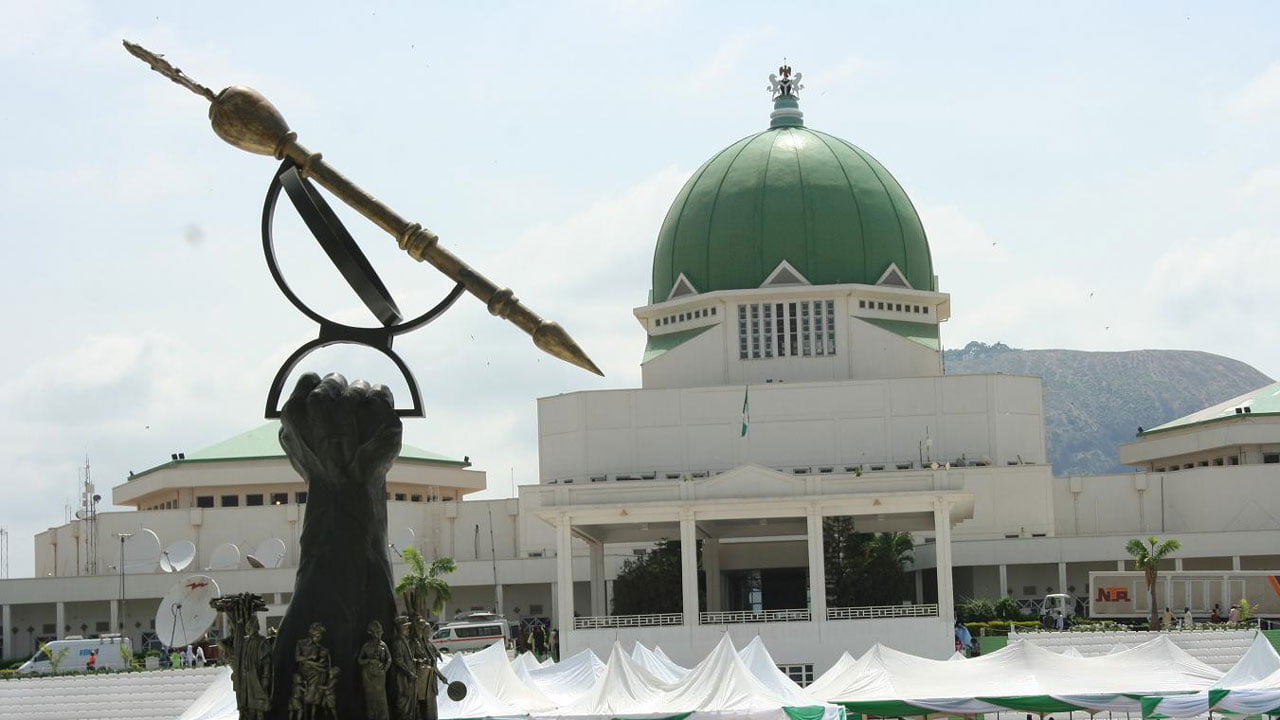
The Chairman of the House Committee on Internal Security, Garba Muhammad, revealed Tuesday that terrorists have issued direct threats to bomb the National Assembly complex, urging immediate fortification to safeguard Nigeria’s democracy.
Speaking at a public hearing in Abuja on a bill to establish the Legislative Security Directorate, Muhammad highlighted escalating vulnerabilities at the edifice housing the Senate, House of Representatives, and ancillary offices. The proposed directorate aims to bolster security management, protecting lawmakers, staff, and visitors.
The complex has grappled with theft of cars and motorcycles, vandalism, fake identity cards, and infiltration by unregistered individuals, he said.
“We have received threats from terrorists to bomb the National Assembly Complex and threats from protesters to lock up the National Assembly,” Muhammad stated.
“Legislators are exposed to threats from constituents and others who gain easy access to their offices without any formal appointment,” he added.
He warned that unchecked threats could halt legislative functions: “It is obvious that with the ongoing security challenges, if proper measures are not taken, it will truncate the legislative activities in the National Assembly. If activities are thwarted, there will be no representation, no oversight, no annual budget, no plenary at all — and that will destabilise legislative procedure, democracy, and the stability of the system, and our nation at large.”
PUNCH Online recalls a May 4, 2021, alert warning of a Boko Haram plot targeting the complex and other VIP sites in Abuja. Security was ramped up with rigorous vehicle checks causing gate congestion; lawmakers used the presidential gate, and member presence was restricted. Experts demanded enhanced federal protection amid insurgents’ proximity in Niger State.
Muhammad advocated a multi-layered security approach adopting global best practices. “That is why this bill is important. It seeks to address all the challenges as aforesaid and adopt the world’s best practices of parliamentary security procedures and architecture,” he said.
“The need for effective security measures in the National Assembly cannot be overemphasised because parliament has to remain accessible to the public. However, this bill is committed to ensuring the best security architecture in the National Assembly — to protect legislators, staff, visitors, and property.”
The Kano lawmaker urged state assemblies to fortify their complexes and called for stakeholder support to expedite the bill’s passage as a pivotal move to secure democratic institutions.
“I wish us a peaceful and fruitful hearing that will ultimately bring a turnaround in the National Assembly’s security architecture,” he concluded.