
The rising cost of petrol in Nigeria has triggered widespread concern, as prices approach ₦1,400 per litre in several parts of the country. Labour unions and business groups are now calling on the government to step in with urgent measures to ease the pressure on citizens and businesses.
The increase follows repeated price hikes by the Dangote Petroleum Refinery, which recently raised its ex-depot price to about ₦1,275 per litre. This marks the fifth increase in March, pushing retail prices significantly higher across different regions, with northern areas recording the highest costs.
The surge is largely linked to global oil market disruptions caused by tensions in the Middle East, particularly around the Strait of Hormuz. Analysts warn that if the crisis continues, petrol prices in Nigeria could rise further to between ₦1,500 and ₦2,000 per litre.
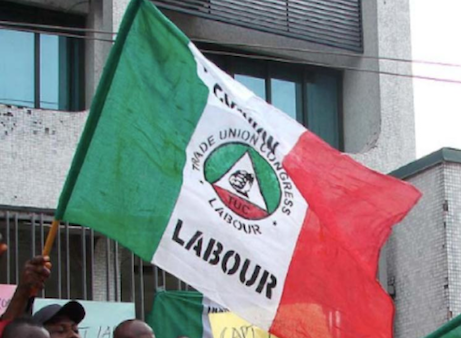
The Nigeria Labour Congress has criticised the structure of the downstream sector, describing it as a system where a few dominant players control pricing. According to the union, ordinary Nigerians are suffering the consequences, despite the country’s position as an oil producer.
Labour leaders also pointed out the absence of strategic fuel reserves, which could have helped cushion the impact of global shocks. They recommended temporary subsidies and suggested that the government supply crude oil in naira to local refineries to stabilise domestic prices.
On the business side, the Lagos Chamber of Commerce and Industry highlighted multiple taxes on refiners as a key reason for high fuel prices. It urged the government to review these charges, noting that they ultimately increase the cost borne by consumers.
The Nigeria Employers’ Consultative Association warned that continued increases in fuel prices could lead to business closures, job losses, and a worsening cost of living. It stressed that energy costs directly affect transportation, food prices, and overall economic activity.
Meanwhile, regulators including the Nigerian Midstream and Downstream Petroleum Regulatory Authority stated that price control is not an option under the current deregulated system, meaning fuel prices will continue to be influenced by global market forces.
Although crude oil prices have recently dropped slightly, raising hopes of possible relief, many Nigerians are already feeling the impact as the rising cost of fuel continues to drive up living expenses nationwide.