
Farmers across Nigeria have been advised to prepare for heavy rainfall and avoid rushing into full-scale planting despite the recent onset of rains.
The Founder of the Global Initiative for Nigeria Development, Micheal Ale, gave the warning in a statement issued on Monday, March 23, 2026, in Ibadan, Oyo State.
Ale cautioned that the early rains currently being experienced in parts of the country may not translate into the sustained rainfall required for optimal agricultural yields.
His warning aligns with earlier advisories from the Nigerian Meteorological Agency and the Federal Government, which cautioned farmers against early planting following what they described as “deceptive” rains recorded in February and early March 2026.
According to the agencies, the early rainfall does not signal the official start of the rainy season and could expose crops to drought, increasing the risk of failure.
Ale attributed the irregular rainfall pattern to broader global disruptions, including climate variability.
“While early rains often signal the start of the planting season, farmers should exercise caution as climate variability and global energy disruptions could alter rainfall consistency,” he said.
He further warned that premature planting could lead to poor harvests due to unstable weather conditions.
“Farmers should not be deceived by the current rain. What we are witnessing may not be stable enough to support planting cycles, and premature farming activities could lead to poor harvests.
“Weather patterns indicate intermittent rainfall mixed with periods of intense heat. Farmers should prepare for heavy rain and avoid rushing into full-scale planting,” he added.
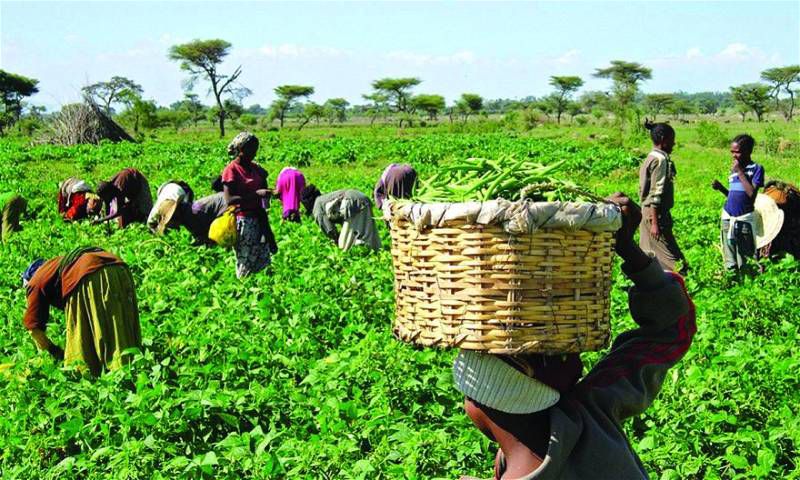
Ale noted that inconsistent rainfall could significantly reduce productivity, particularly for smallholder farmers who depend on predictable seasonal cycles.
He also highlighted that women and rural farmers are the most vulnerable, as erratic weather conditions could limit access to farms, reduce yields, and worsen food security challenges.
He urged farmers to adopt climate-smart practices such as delayed planting, irrigation planning, and close monitoring of weather forecasts to minimise potential losses.
The development expert further called on the Federal Government to strengthen support systems for farmers through early warning mechanisms and agricultural advisories.
“The signals are clear; this is not just about rain, but about stability. Without consistency in rainfall, productivity will decline, and the impact will be felt across the food chain,” he said.