

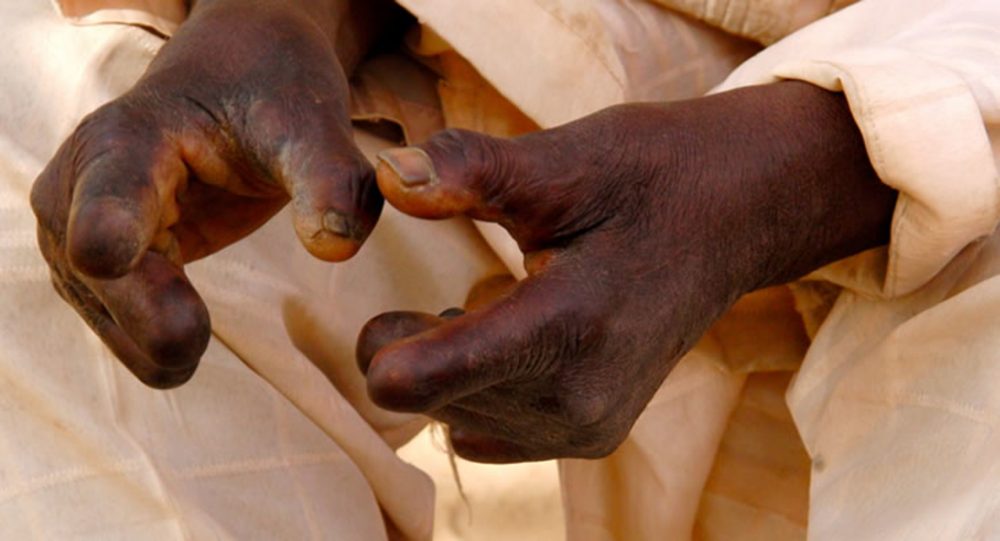
Global Observance and Significance
WHO – World Leprosy Day 2026 is observed globally on Sunday, January 25, reaffirming international commitment to eliminating leprosy and ending discrimination against affected persons.
The World Health Organization describes the annual observance as a platform to celebrate survivors, promote awareness, and confront persistent stigma surrounding the disease.
According to WHO, the 2026 commemoration aligns with renewed global health strategies targeting neglected tropical diseases, including leprosy, ahead of the 2030 elimination roadmap.
World Leprosy Day is marked on the last Sunday of January each year, drawing governments, civil society, and health institutions into coordinated advocacy actions.
In 2026, WHO confirms the observance date as January 25, while India commemorates the day on January 30, honoring Mahatma Gandhi’s legacy.
Theme Emphasizes Stigma as Core Challenge
The official theme for World Leprosy Day 2026 is, “Leprosy is curable, the real challenge is stigma,” reflecting lived experiences of affected communities.
WHO explains that the theme directly responds to repeated testimonies from persons affected by leprosy, who identify stigma as their greatest challenge.
In a WHO briefing, the organization notes that stigma persists despite decades of medical advancement and availability of free, effective treatment.
The theme calls for action-oriented awareness, urging governments and communities to address misconceptions fueling fear, exclusion, and delayed treatment.
WHO stresses that eliminating stigma is essential for interrupting transmission and achieving universal access to early diagnosis and care.
Impact of Stigma on Daily Lives
According to WHO, stigma linked to leprosy affects multiple aspects of daily life, often extending beyond health into social and economic exclusion.
Truth live news reports that WHO said persons affected by leprosy frequently lose employment opportunities, not due to disability, but because of fear and misinformation.
WHO reports that stigma forces many individuals to abandon their homes, either through direct eviction or unbearable community pressure.
Family rejection remains a critical concern, with affected persons excluded from social functions, marriages, and communal decision-making structures.
Children affected by leprosy, or born into affected families, are often denied access to education, reinforcing cycles of poverty and exclusion.
Voices from Affected Communities
“One person affected by leprosy told WHO that discrimination happens not because people are cruel, but because they do not understand,” the agency reported.
WHO emphasizes that misconceptions, rather than malice, drive most discriminatory behaviors observed in endemic communities worldwide.
Common false beliefs include assumptions that leprosy is highly contagious, incurable, or caused by sin, curses, or moral failure.
WHO states that these myths shape how patients are treated immediately after diagnosis, often determining whether they receive support or rejection.
Depending on community attitudes, WHO warns that stigma can devastate mental health, family stability, and long-term recovery prospects.
Medical Reality: Leprosy Is Curable
WHO confirms that leprosy is completely curable using a simple, multi-drug antibiotic treatment provided free of charge worldwide.
When treatment begins early, WHO explains, patients experience no permanent complications and cease to transmit the disease.
- No ‘Igbo King’ Coronation Took Place in South Africa — Nigerian High Commission Clarifies
- NELFUND Disburses N1.3 Billion in Student Loans to 17,599 ABU Beneficiaries for 2026 Academic Year
- Aiyedatiwa Sacks All Political Aides, Plans Fresh Appointment of 1000
- US Lawmaker Raises Alarm Over Plateau, Kaduna Killings, Warns of Diplomatic Fallout
- Fuel Hike Sparks Protest in Benin as Drivers Block Roads, Increase Fares
The organization stresses that early diagnosis remains the most effective strategy for controlling leprosy and preventing long-term disability.
However, WHO acknowledges that stigma discourages early presentation, undermining public health gains and prolonging transmission chains.
Fear of discrimination often drives patients to conceal symptoms, delaying diagnosis until irreversible nerve damage occurs.
Stigma as a Barrier to Elimination
WHO links stigma directly to continued leprosy transmission, stating that fear prevents individuals from seeking timely medical care.
Patients frequently choose silence over treatment, hoping symptoms will disappear rather than face community rejection, according to WHO reports.
This delay increases the risk of disability, social exclusion, and further spread of the disease within households and communities.
WHO warns that medical solutions alone cannot eliminate leprosy unless social barriers are addressed with equal urgency.
The organization reiterates that stigma, not medicine, remains the primary obstacle to global leprosy elimination.
Integration with World NTD Day Campaign
WHO notes that World Leprosy Day 2026 strategically aligns with World Neglected Tropical Diseases Day to amplify advocacy impact.
Leprosy is classified as a neglected tropical disease, often affecting marginalized populations with limited access to healthcare services.
By leveraging World NTD Day momentum, WHO aims to mobilize broader political commitment and sustainable funding for leprosy programs.
The integrated campaign seeks to elevate leprosy within global health priorities and reinforce collective responsibility for elimination.
WHO emphasizes collaboration among governments, donors, civil society, and affected persons as essential to achieving zero discrimination.
International Advocacy and Leadership
WHO Goodwill Ambassador for Leprosy Elimination, Yohei Sasakawa, reaffirmed global commitment in his 2026 World Leprosy Day message.
Sasakawa stated that eliminating stigma requires listening to affected persons and ensuring their voices shape policies and interventions.
WHO highlights leadership advocacy as critical for dismantling discriminatory laws and practices still affecting leprosy patients worldwide.
The organization encourages countries to repeal outdated legislation that restricts employment, marriage, or mobility of affected persons.
WHO maintains that human rights protection must remain central to leprosy elimination strategies.
Call to Action
WHO urges governments to invest in community education that replaces fear with facts and promotes compassion-driven public health responses.
Health systems are encouraged to integrate leprosy services into primary healthcare to reduce visibility-related stigma.
WHO also calls on media organizations to report responsibly, avoiding language that reinforces stereotypes or misinformation.
Communities, according to WHO, must actively support inclusion, ensuring affected persons live with dignity and equal opportunity.
As World Leprosy Day 2026 concludes, WHO reiterates its message clearly: leprosy is curable, and stigma must end now.
Most Viewed Posts
- President Tinubu’s Achievements That Strengthen Case For Second Term – Amuna
- Supporting Siminalayi Fubara: Why Rivers People Deserve Continuity Of Purpose In 2027 – Dr William Omuna
- William Omuna Declares Bid For Rivers East Senate, Says It Deserves Senator Who Shows Up
- Budget Without Representation: Outrage as Senator Natasha Alleges Institutional Marginalisation – By Darlington Okpebholo Ray
- Praying for Survival: Inside Nigeria’s Unchecked Violence Against Christians — By Darlington Okpebholo Ray