

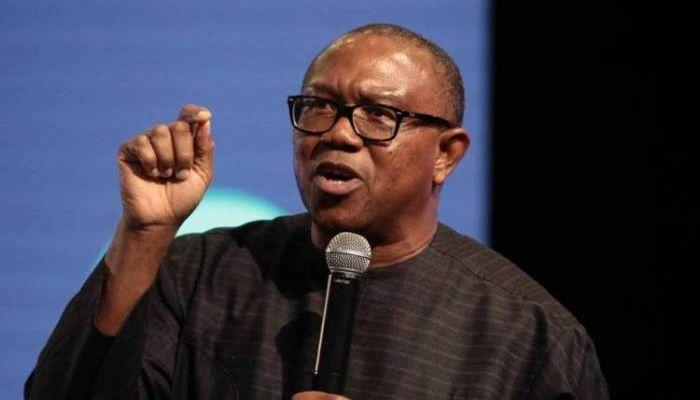
Former Anambra State governor and 2023 Labour Party presidential candidate Peter Obi has criticised President Bola Ahmed Tinubu over a wave of killings across Nigeria during the Easter period, accusing the government of failing in its responsibility to protect lives and property.
In a statement shared on X on Monday, Obi referred to a recent assurance by the president in Plateau State, where he said such violence would not be repeated. Obi said the promise had failed “in less than 24 hours.”
He noted that shortly after the president’s remarks at Jos airport on 2 April, another attack was reported in Nyamgo Gyel, in Jos South Local Government Area, resulting in the deaths of several people.
Obi said the situation had since worsened, with multiple states experiencing deadly attacks within days of the president’s statement.
In Nasarawa State, he said at least 11 people were killed in Akyawa and Udege Kasa communities, forcing residents to flee their homes. In Zamfara State, about 150 people were reportedly abducted from Kurfa Danya and Kurfan Magaji communities in what he described as one of the largest such incidents in recent times.
He also cited attacks in Borno State, where gunmen reportedly struck Chibok, killing security personnel and destroying homes.
Violence was also reported in Benue State, where more than 17 people were killed on Easter Sunday, and in Kaduna State, where gunmen attacked worshippers in churches and abducted others in Ariko community.
Expressing concern over the continued violence, Obi said the situation reflected a failure of leadership.
“The primary responsibility of any government is to protect lives and property, yet Nigerians are being killed in their homes and communities,” he said. “This is a national emergency.”
He added that the attackers were being emboldened by what he described as inaction, warning that the security situation across the country was deteriorating.
There has been no immediate response from the presidency to Obi’s remarks.
The latest comments come amid growing concern over insecurity in several parts of Nigeria, particularly during major public holidays when communities are seen as more vulnerable.