
The United Kingdom is rallying more than 30 nations in a coordinated diplomatic effort to restore access to the Strait of Hormuz, as disruptions in the critical shipping route continue to threaten global energy supplies.
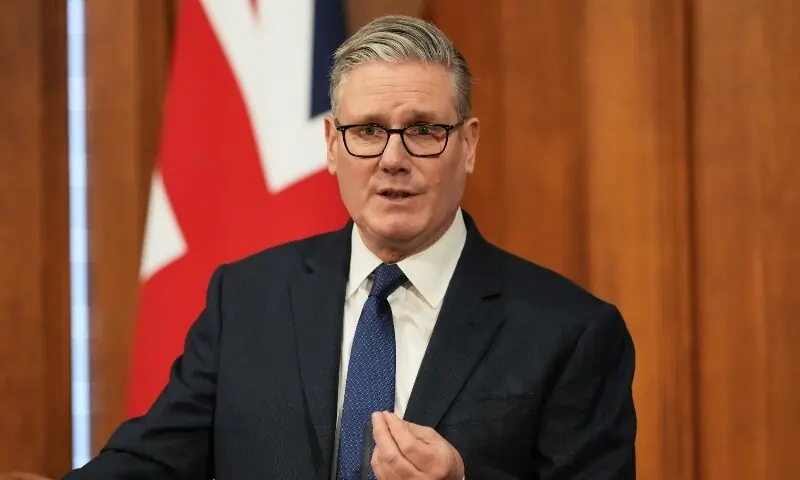
According to international reports, Truth Live News International understands that the high-level virtual meeting, scheduled for Thursday, will bring together dozens of countries to explore practical steps toward restoring safe navigation in the region. The initiative is being led by Prime Minister Keir Starmer and chaired by Foreign Secretary Yvette Cooper.
Starmer said the discussions would focus on “all viable diplomatic and political measures” to ensure the safe movement of vessels and the resumption of vital global trade. “Our priority is to guarantee the safety of ships and crews while restoring the steady flow of essential commodities,” he stated.
The Strait of Hormuz, a key passage for a significant share of the world’s oil and gas, has seen major disruptions following recent attacks linked to tensions involving Iran. The situation has already triggered sharp increases in global oil prices and raised concerns across international markets.
Notably, the United States is not expected to participate in the talks. President Donald Trump has previously suggested that protecting the waterway should not be America’s responsibility, urging allied nations to take greater control of their energy security.
In a joint statement, about 35 countries including France, Germany, Italy, Canada, Japan, and the United Arab Emirates called for an immediate end to actions blocking the strait, pledging support for efforts to maintain safe passage.
Officials say Thursday’s meeting represents an initial step, with further “working-level” discussions expected to follow in order to develop detailed strategies. However, there is currently little appetite among nations to pursue military intervention while hostilities persist in the region.
Starmer acknowledged the complexity of the task, noting that reopening the route would require a “united front combining diplomatic engagement with strategic security planning.” Military coordination, he added, may become necessary once tensions ease.
The initiative also reflects broader geopolitical shifts, as European nations seek to strengthen collective security amid renewed uncertainty over transatlantic alliances, particularly following recent comments by Trump questioning the role of NATO.
As global stakeholders move to stabilise one of the world’s most critical trade routes, the outcome of these discussions is expected to have far-reaching implications for energy markets, international security, and economic stability.