

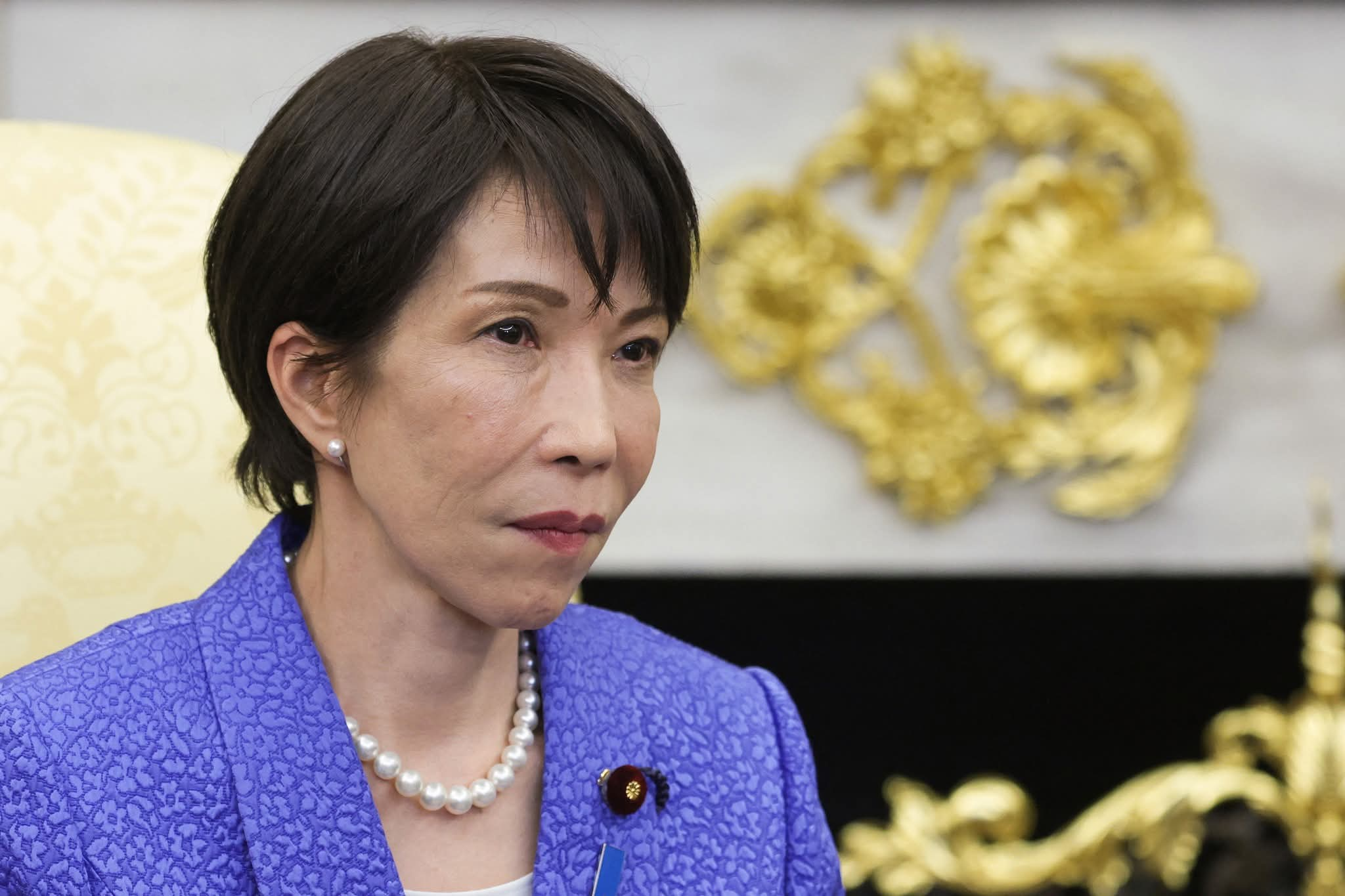
Japan is set to begin releasing another tranche of its strategic national oil reserves this Thursday, March 26, Prime Minister Sanae Takaichi announced on Tuesday.
Takaichi made the announcement via a post on X, saying the government will release state oil reserves starting March 26 and also tap into joint stockpiles held by oil-producing nations in the country before the end of the month. The move marks a significant escalation in Japan’s efforts to shield its economy from a deepening global energy crisis.
The decision is rooted in the ongoing disruption to Middle Eastern oil supplies. Oil prices have been surging as the situation in the Middle East deteriorated following Israeli and US strikes on Iran, with Iran’s effective blockage of the Strait of Hormuz preventing tankers from passing through and fuelling mounting supply concerns. Japan is acutely vulnerable to these disruptions the country depends on the Middle East for 95% of its oil imports.
Thursday’s state reserve release follows earlier action taken on March 16, when the government began releasing private petroleum reserves by lowering the required stockpile amount from 70 days to 55 days, initially for one month, while also deciding to transfer one month’s worth of national petroleum reserves.
Japan’s latest move is part of a broader coordinated international response. Prime Minister Takaichi had earlier announced an 80-million-barrel unilateral release, ahead of an agreement by the International Energy Agency to release a record 400 million barrels from emergency oil reserves.
A joint reserve held in Japan by Saudi Arabia, the United Arab Emirates, and Kuwait according to the Petroleum Association of Japan is also expected to begin releasing supplies before the end of March.
Japan holds one of the world’s largest emergency oil reserves, with a supply sufficient to meet 254 days of domestic consumption, giving the country significant firepower to weather the crisis. Even as analysts warn that a prolonged closure of the Strait of Hormuz could put continued pressure on global energy markets.