

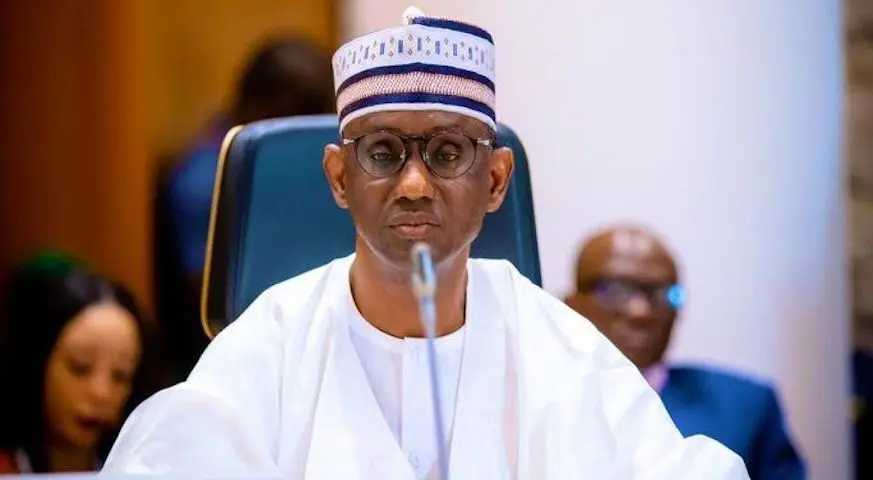
The Federal Government has taken a firm stance against religiously motivated violence, declaring that any such acts will be treated as direct attacks on the Nigerian state itself.
National Security Adviser (NSA) Nuhu Ribadu made the declaration at the conclusion of the first session of the U.S.–Nigeria Joint Working Group in Abuja. The bilateral meeting focused on addressing concerns around religious freedom, insecurity, and deepening security cooperation between the two nations.
Ribadu emphasized Nigeria’s pluralistic nature and the government’s unwavering commitment to protecting citizens of all faiths. “Nigeria is a deeply plural society, and the protection of all citizens—Christians, Muslims, and those of other beliefs—is non-negotiable,” he stated.
He further asserted a zero-tolerance policy for violence framed along religious lines: “Violence framed along religious lines is treated as an attack on the Nigerian state itself.”
The NSA outlined the administration’s comprehensive approach to tackling insecurity, which integrates multiple elements. “Our response integrates security operations, rule of law, humanitarian safeguards, and strategic communication, ensuring that operational successes translate into public confidence and strengthened social cohesion,” Ribadu explained.
The remarks come amid ongoing concerns over religiously tinged conflicts in parts of Nigeria, including attacks on worshippers and communities that have sometimes been interpreted through ethnic or faith-based lenses. By framing such violence as an existential threat to national sovereignty, the government signals heightened resolve to respond decisively, potentially with full state force and legal accountability.
The U.S.–Nigeria Joint Working Group session underscores international collaboration on these issues, with both sides reaffirming partnerships to combat terrorism, banditry, and threats to religious freedom. No specific incidents were cited during the address, but the statement aligns with broader Tinubu administration efforts to restore stability and promote interfaith harmony.