

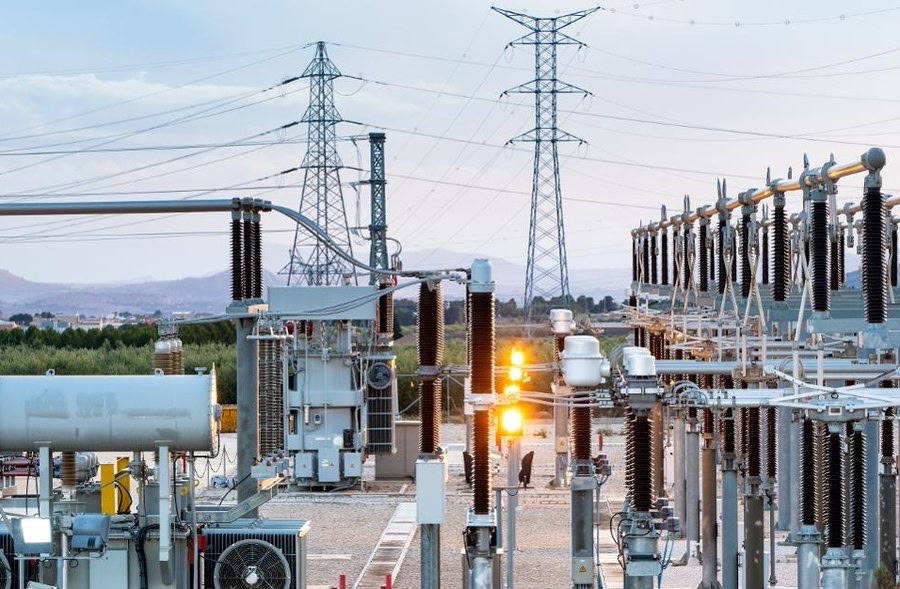
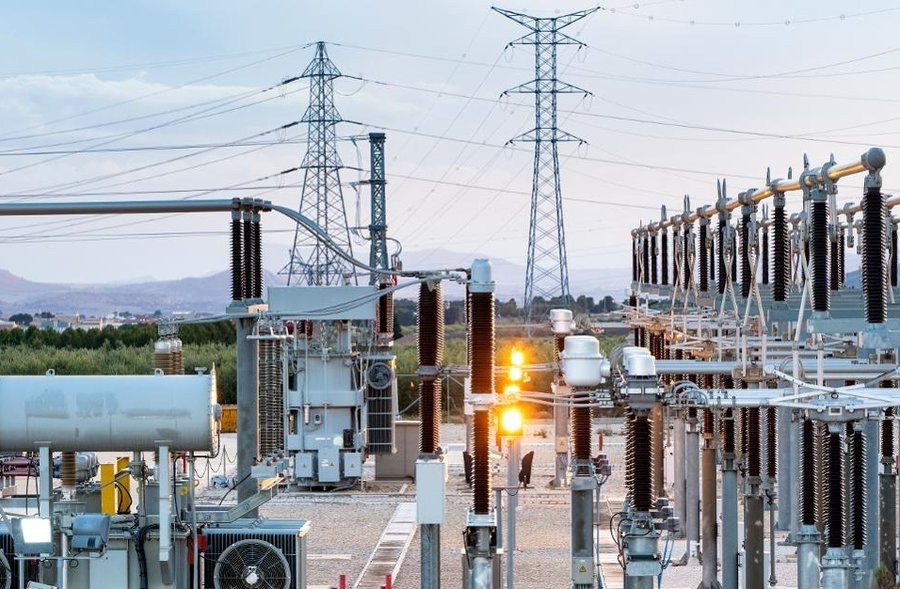
Power generation companies across the country have begun shutting down plants and scaling back operations as a mounting debt burden of N6.8 trillion has crippled their ability to secure gas, maintain equipment and meet basic running costs, leaving millions of Nigerians staring down the barrel of even worse blackouts than they already endure.
The N6.8 trillion debt owed to GenCos has accumulated over several years due to persistent payment shortfalls within Nigeria’s electricity market. The Nigerian Bulk Electricity Trading Plc, which purchases power from generators and sells to distribution companies, has consistently failed to fully settle invoices since the sector’s privatisation in 2013.
This financial gap has left generation companies unable to meet operational costs, repay loans or sustain maintenance of power plants. As a result, several plants have scaled down operations or shut down entirely, reducing available electricity on the national grid.
The total sector debt stood at N6.4 trillion at the end of 2025, climbed to N6.6 trillion in January 2026 and reached N6.8 trillion by the end of February accumulating at roughly N200 billion every month.
The most immediate crisis within the crisis is gas. Of every N100 invoiced by thermal power plants to NBET, N70 belongs to gas suppliers meaning approximately N3.3 trillion of the total N6.8 trillion debt is owed directly to the companies supplying the fuel that powers roughly 70 percent of Nigeria’s electricity grid.
Those gas suppliers have now issued an ultimatum that GenCos have confirmed, no payment, no gas. “Gas is not available because the gas suppliers have told us that if we need gas, we need to put money on the ground to get gas in the pipe. We owe them a lot of money,” Dr Joy Ogaji, CEO of the Association of Power Generation Companies, said.
Despite an installed capacity of 15,500 megawatts, the national grid currently utilises an average of just 4,000 megawatts
Thermal power plants that require approximately 1,629 million standard cubic feet of gas per day to operate at full capacity are receiving a fraction of that forcing generation shortfalls that translate directly into the hours of darkness Nigerians experience daily.
PM News Nigeria Industry stakeholders have described the measure as reactive rather than curative, noting that total debt has continued to rise despite the injection and that the bond issuance has not restored investor confidence or unlocked gas supply.
The Minister of Power, Adebayo Adelabu, said through his spokesperson that the matter is being handled jointly with the Minister of State for Petroleum.
GenCos have warned in a memo to the Federal Ministry of Power that persistent liquidity shortfalls are threatening the stability of the entire power value chain and called for urgent structural reforms including restoration of contract sanctity, reform of capacity payment frameworks and a credible long-term debt resolution plan.