

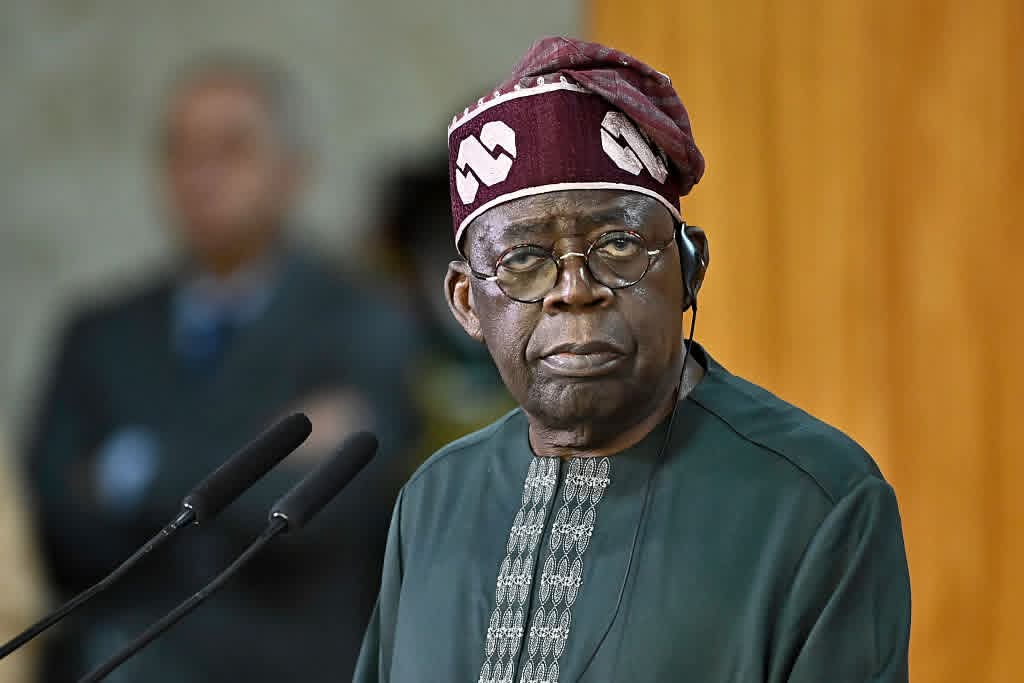
Abba Atiku Abubakar, son of former Vice President Atiku Abubakar, has formally joined the ruling All Progressives Congress (APC) and boldly declared President Bola Ahmed Tinubu unbeatable ahead of the 2027 presidential election.
The younger Atiku made the announcement shortly after registering as an APC member at Gwadabawa Ward in Yola North, Adamawa State capital. His move comes as his father, a prominent opposition figure, pursues a fresh presidential bid on the platform of the African Democratic Congress (ADC).
Speaking to supporters and journalists, Abba Atiku dismissed any challenge to Tinubu’s re-election prospects. “I want to make it very clear that nobody or any political party can stop President Bola Tinubu from returning to Aso Rock come 2027,” he stated firmly.
He praised the president’s leadership style, emphasizing merit-based governance over tribal or religious considerations. “Nigerians have seen his good work; he is not a tribalist, and he doesn’t make appointments based on religion or region, but his decisions are purely on merit,” Abba added.
The defector credited Tinubu’s administration with transformative reforms in the economy and human development, citing infrastructure expansion and human capital investments across the country as key factors influencing his decision to switch parties.
He urged Nigerians from all political backgrounds to support the president to ensure continuity of the ongoing progress. “It is now clear to people that there is no party in Nigeria or presidential candidate that can face our president at the poll come 2027,” he asserted.
APC leaders in Adamawa welcomed the high-profile defection as a major boost for the party’s grassroots mobilization efforts ahead of 2027. Abba had previously pledged to rally support for Tinubu’s re-election bid.
Meanwhile, former Vice President Atiku Abubakar described his son’s decision as a personal choice, distancing it from family political alignments.
The development has sparked mixed reactions in Nigeria’s polarized political landscape, with some viewing it as a strategic blow to opposition unity, while others see it as evidence of growing confidence in the Tinubu administration’s performance despite economic challenges.