
Ghana’s government has announced plans to scrap certain fuel taxes and supply chain charges to cushion consumers from rising pump prices triggered by the ongoing conflict in the Middle East.
The announcement was made by Minister of State for Government Communications Felix Kwakye Ofosu following an emergency Cabinet meeting held on Thursday, April 9, 2026 as reported by The1957News. It was convened to assess the impact of global developments on Ghana’s economy.
According to Kwakye Ofosu, the decision follows sharp increases in fuel prices driven largely by geopolitical tensions in the Middle East particularly the conflict involving the United States, Iran, and Israel which has disrupted global oil supply chains, leading to higher crude oil prices, increased insurance premiums, and rising freight costs.
According to Pulse Ghana, President John Mahama has directed the Ministers of Finance and Energy to ensure a reduction in fuel prices in the next pricing window, with the suspension set to last four weeks and subject to review depending on developments in the Middle East and global crude oil price movements.
News Ghana also reports the specific specific levies to be scrapped will only be confirmed after stakeholder consultations in the coming days.
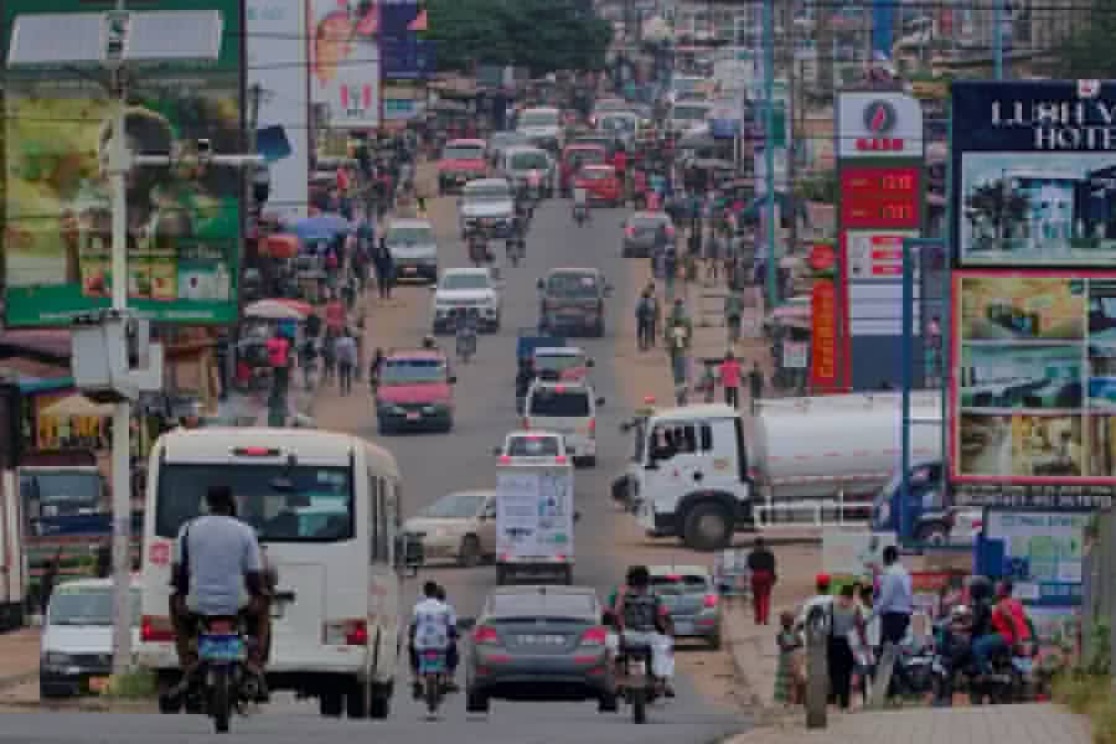
The price increases have been steep. The National Petroleum Authority set new minimum pump prices for the April 1–15 window, placing petrol at GH₵13.30 per litre and diesel at GH₵17.10 per litre, which is a significant jump from the previous pricing window ending March 31, when petrol and diesel stood at GH₵11.57 and GH₵14.35 per litre respectively.
Ghana imports about 70% of its refined fuel and is among several African nations hit by steep pump price increases as the US-Israeli war on Iran sent global oil prices surging.
Kwakye Ofosu warned that if the increases were left unchecked, they could spill over into transport fares and the prices of goods and services, ultimately driving up the cost of living. He added, however, that Ghana’s current economic stability, including a strengthening cedi and easing inflation has kept domestic fuel prices relatively lower than levels seen during previous global crises such as the Russia-Ukraine war.
The government also directed the Minister for Transport to fast-track the deployment of 100 Metro Mass Transit buses to ease transport pressure on commuters.