

Lucky Obukohwo, Reporting
President of the Catholic Bishops’ Conference of Nigeria (CBCN), Most Rev. Matthew Man-Oso Ndagoso, has attributed the nation’s insecurity on bad leadership.
The CBCN president who is also the
Catholic ArchBishop of Kaduna Diocese, in his Easter message, described the suffering of many Nigerians as “crosses of grief and heartbreak caused by insurgency, kidnappings, banditry, armed robbery, herders-farmers clashes and communal conflicts.”
He said these crises had driven some citizens into unwholesome and degrading activities just to survive, leaving communities destabilised and families traumatised.
He attributed the country’s insecurity to a “leadership culture marked by selfishness, greed, nepotism, tribalism, sectionalism and disregard for the common good.”
The bishop warned that bad governance had deepened despair, adding that only a collective return to moral responsibility and civic engagement could lift the nation from further suffering.
Highlighting the spiritual dimension of the nation’s trials, Ndagoso said the agony experienced by Nigerians mirrored the Passion of Christ and that faith offers enduring hope.
He urged citizens to see in Easter a reason to persevere amid adversity, taking comfort in the belief that God remains present with those who suffer.
On the political landscape, he warned against voter apathy which he said had been fuelled by distrust in the electoral system.
He stressed the need for active citizen participation in the 2027 elections, describing voting as both a right and a moral obligation toward the common good.
“The active participation of citizens in elections, including the right to vote and be voted for, is a value to be cultivated. There is a need to elect leaders of competence and integrity who share the nation’s vision for justice and development,” he said.
Ndagoso further urged INEC to ensure free, fair and credible polls.
He urged INEC, as well as political and religious leaders, to remove obstacles that might prevent citizens from accessing registration and collection centres.
He warned that disenfranchisement threatens national cohesion and undermines public trust.
Despite the country’s challenges, he encouraged Nigerians to hold on to hope, noting that Easter is a reminder of triumph over despair.
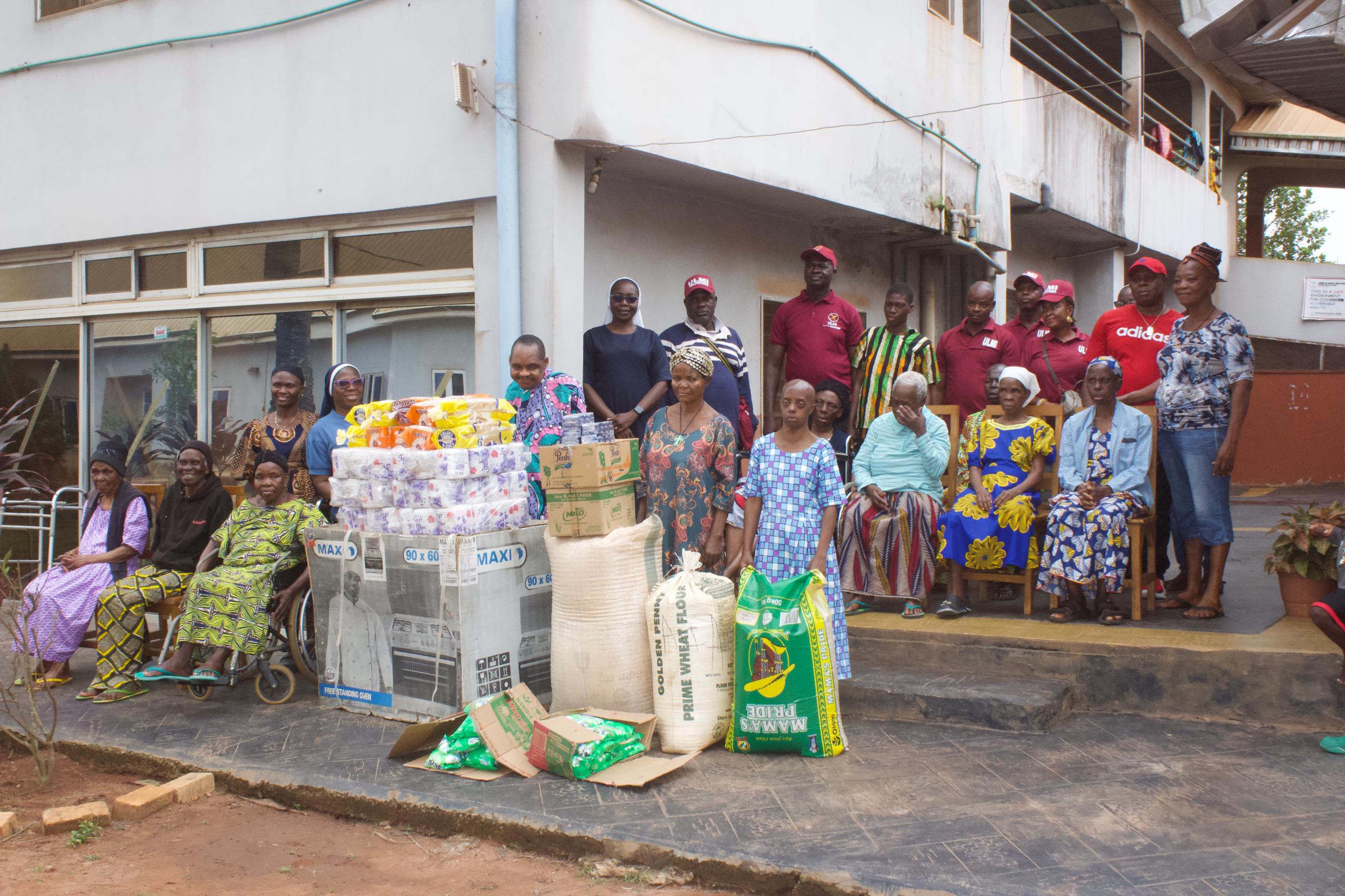
He also appealed to the citizens of the country to embrace practical acts of love and solidarity, such as caring for the sick, visiting the Internally Displaced Persons (IDPs) and supporting the needy, stressing that such actions reflect Christ’s message.