
Aliko Dangote, Chairman and Chief Executive Officer of the Dangote Group, warned on Monday March 23, 2026 that if the ongoing conflict between the United States, Israel and Iran does not de-escalate, Nigeria and other African countries could be forced to adopt COVID-era work-from-home restrictions as rising fuel and energy costs make daily commuting economically unsustainable for millions of people.
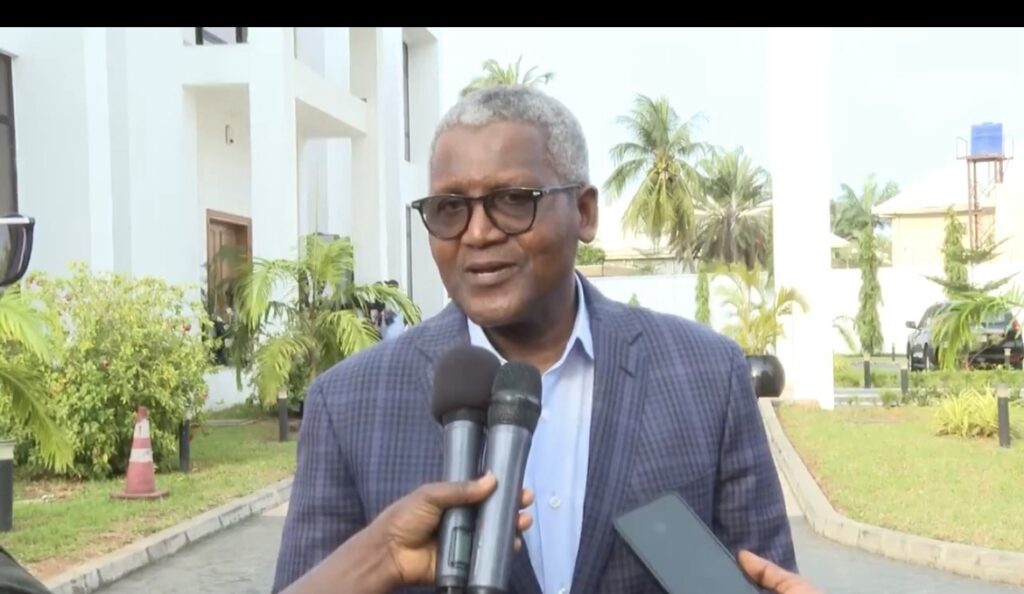
“If this thing doesn’t de-escalate, you know, normally we in Africa, we don’t have any reserves in terms of savings. And so, people normally go out and look for money for the next day or for even the same day. Some of them, if they don’t work that day, they won’t eat,” Dangote said.
He pointed to Indonesia as a country already moving in that direction under energy crisis pressure. “I mean, you can see in some countries today what they’ve done they asked everybody to work from home. I think in Indonesia, they say, ‘No, only go to work four days a week.’ And they will look at the situation. If it doesn’t improve, they will ask everybody not to go to work anymore. We will do it like the time of COVID, where people will now go and work from home,” he said.
The warning carries particular weight coming from a man whose Dangote Refinery is now at the centre of Africa’s energy crisis response. Several African countries including Ghana, South Africa and Kenya are increasingly turning to the Dangote Refinery as fuel supplies from the Middle East tighten, with the $20 billion facility emerging as a critical lifeline for the continent.
Dangote himself confirmed the situation is less about price and more about availability. “Right now it is not about pricing, it’s about availability. I think the situation will continue for a while,” he said.
He was equally blunt about who will feel the crisis most severely. “It’s not only energy. Some people will try to take a chance and say, ‘Ah, this is an opportunity. So, let me make money.’ So, if this thing doesn’t de-escalate, it is going to keep going up and up and up, and governments cannot really now go and add salaries also. So, people will really, really feel the pinch,” he said.
“Energy affects everything. From small businesses like barbers to industries running generators, everyone will feel the impact,” he added, warning that Africa’s already significant debt burden could worsen as the crisis drags on.
He called for urgent global action and prayers for de-escalation, saying “We are part of a global village, and unfortunately, developments like this will affect us even if we are not directly involved.”
Dangote also used the occasion to praise President Tinubu’s just-concluded state visit to the United Kingdom, describing the £746 million infrastructure agreement signed in London as significant beyond its monetary value. “It’s not about the money. It’s about the confidence in Nigeria.
The moment that they do that, there will be other countries that will follow suit. Germany will come, others will line up and start coming now,” he said.
He also revealed that the UK Export Finance agency which backed the port infrastructure deal is now effectively open for Nigerian private investors to access, a resource he said had previously been largely untapped. “It means the agency is now open for business for Nigerians, and we will go as private people to look for them to give us support,” he explained.
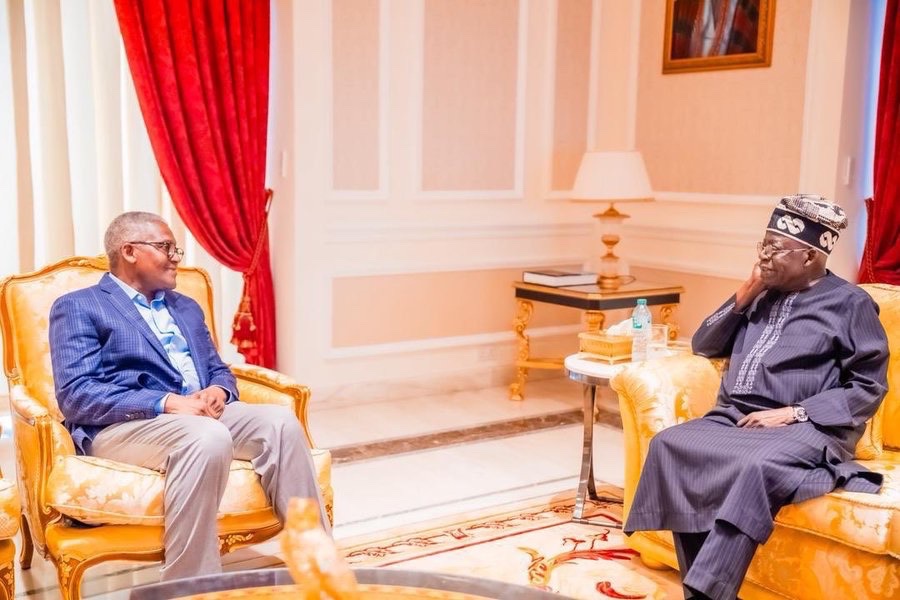
Dangote said he visited the President at his Ikoyi residence in Lagos to extend Eid-el-Fitr greetings following Tinubu’s return from London.