
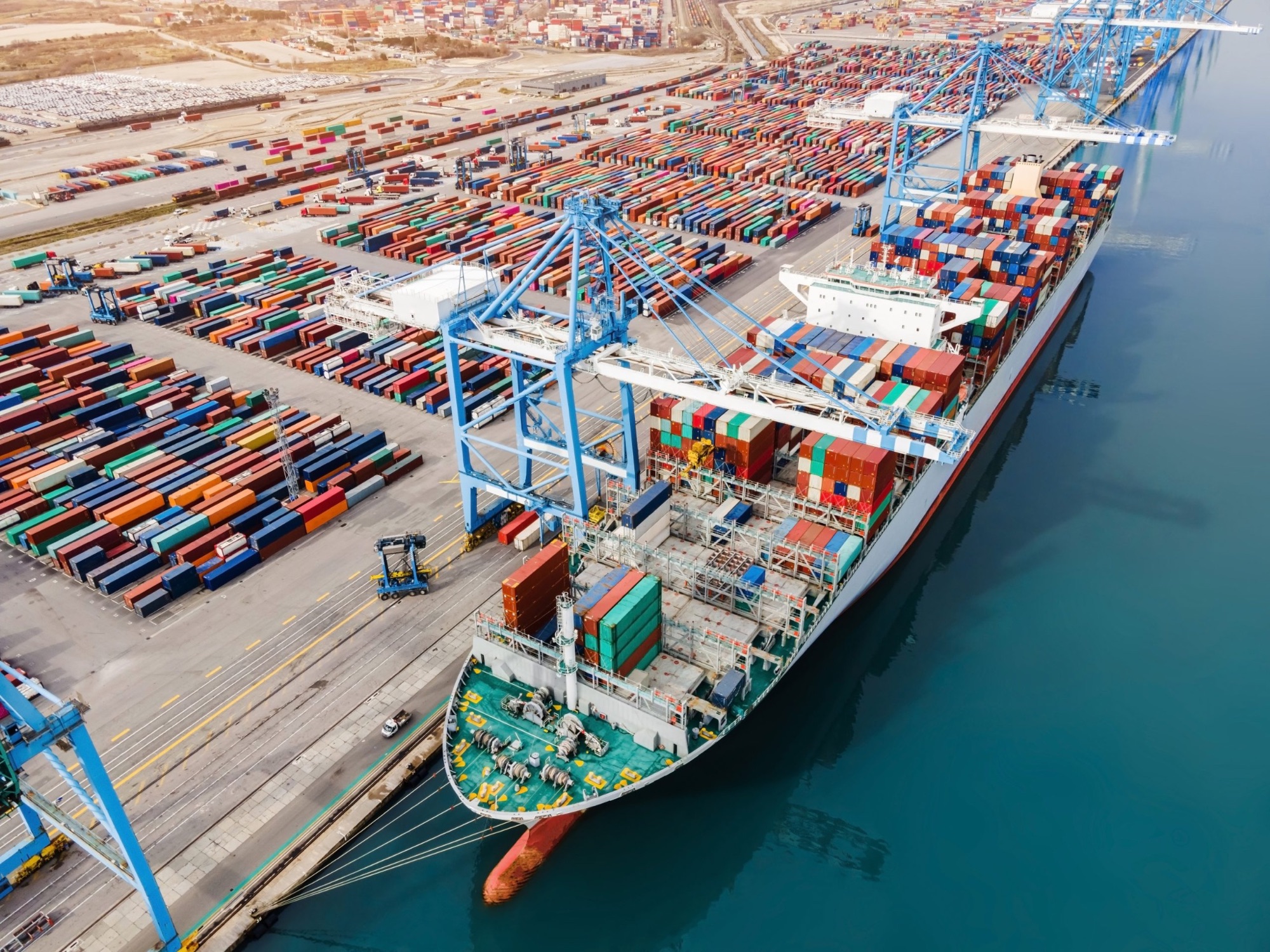
The Federal Government has approved certification and compliance processes for five proposed deep seaport projects to reclaim the over 70 per cent of Nigerian-bound cargo currently transported to other African nations.
The Managing Director of the Nigerian Ports Authority, Dr. Abubakar Dantsoho, listed the approved projects as the Badagry Deep Sea Port in Lagos State, Olokola Deep Sea Port in Ondo State, Ibom Deep Sea Port in Akwa Ibom State, Bakassi Deep Sea Port in Cross River State, and Bonny Deep Sea Port in Rivers State. Dantsoho disclosed this at the close of a three-day meeting of Managing Directors of the Port Management Association of West and Central Africa, member ports and the Port Statisticians Network held in Lagos.
The announcement was also made by the Minister of Marine and Blue Economy, Adegboyega Oyetola, while declaring open the mid-year session of the Board of Directors of PMAWCA in Lagos on Monday, May 18, 2026. “Approvals have therefore been granted for the development of additional deep seaports across the country to complement existing infrastructure, strengthen supply chain resilience, and reinforce Nigeria’s position as the preferred maritime and logistics hub for West and Central Africa,” Oyetola stated.
Dantsoho explained that although negotiations with investors were still ongoing due to the huge financial commitments required for such port projects, the government had already laid the regulatory and administrative groundwork. “In terms of approvals, certifications and compliance issues, we have taken care of five different deep-sea ports in Nigeria,” he said.
The planned port projects are expected to improve Nigeria’s ability to receive larger cargo vessels, expand trade capacity, and strengthen regional logistics. Dantsoho noted that the country’s growing population, expanding economy, and strategic role in servicing neighbouring landlocked countries make investment in deep-sea ports inevitable.
Nigeria currently accounts for over 70 per cent of cargo traffic within the West and Central African sub-region, while countries such as Niger, Chad, Mali, and Burkina Faso also depend partly on Nigerian ports for international trade access.
Dantsoho added that more than $27 billion worth of port projects are ongoing or recently announced across West and Central Africa, citing projects including the $20 billion Simandou-Morebaya deep seaport project in Guinea, the $2 billion Port San Pedro project in Côte d’Ivoire, and a proposed $600 million investment by APM Terminals in Nigeria underlining the fierce regional competition Nigeria is racing to stay ahead of.
On maritime security, Oyetola said the implementation of the Deep Blue Project had eliminated piracy in Nigerian waters and significantly reduced maritime crimes across the Gulf of Guinea. He added that the administration of President Bola Tinubu remains focused on overhauling the nation’s port system through infrastructure renewal, digital transformation, and improved operational efficiency.
The minister also described the national single window initiative as a key reform expected to streamline cargo clearance through digital integration of port operations and government agencies.