
Global oil prices have climbed to about $100 per barrel following attacks on oil tankers in the Gulf region, raising concerns about energy supply and the wider economic impact.
The price of Brent Crude, the international oil benchmark, rose by about 8% to reach $100 per barrel on Thursday. Meanwhile, West Texas Intermediate (WTI), the main US crude benchmark, increased by a similar margin to around $94.30 per barrel.
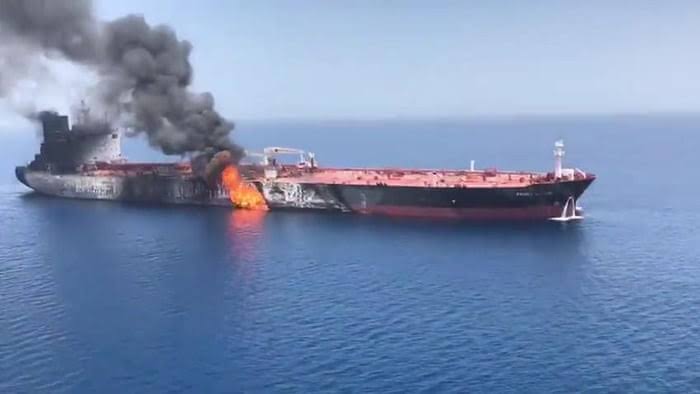
According to Reuters, the surge was driven by attacks on fuel tankers in the Gulf, which have raised fears that the conflict in the Middle East could disrupt global oil supplies.
Reports say two fuel tankers in Iraqi waters were struck by explosive-laden Iranian boats. An Iraqi official told state media that the country’s oil ports had “completely stopped operations” following the incident.
In response to the growing tensions, Oman evacuated vessels from its key oil export terminal at Mina Al Fahal oil terminal as a precautionary measure.
Earlier this week, Iran warned it would not allow “a single litre of oil” to pass through the Strait of Hormuz for the benefit of the United States, Israel, and their allies.
The Strait of Hormuz is one of the world’s most important oil shipping routes, with a significant share of global crude exports passing through the narrow waterway.
Rising oil prices could have wider economic consequences, including increased fuel costs and higher inflation globally.
In Nigeria, petrol prices had recently dropped after crude prices earlier fell to around $87 per barrel.
However, analysts say the latest surge in global oil prices could lead to another increase in fuel prices if the tensions in the Middle East continue.