

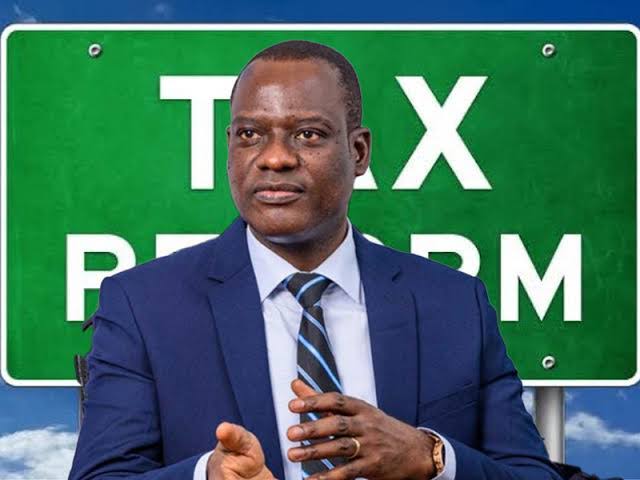
Fewer than 10 million people in Nigeria are currently active tax payers, according to the head of the country’s Presidential Committee on Fiscal Policy and Tax Reforms, Taiwo Oyedele.
Speaking at the Lagos State Tax Reform Summit in Ikeja, Mr Oyedele said the figure highlights the urgent need for effective implementation of Nigeria’s ongoing tax reforms.
He was speaking months after President Bola Tinubu signed four major tax reform bills into law in June 2025. The new laws, the Nigeria Tax Act, Nigeria Tax Administration Act, Nigeria Revenue Service Act and Joint Revenue Board Act are aimed at overhauling the country’s tax system, increasing revenue and improving compliance.
Mr Oyedele said the success of the reforms would depend largely on the availability of accurate data and strong implementation at state and local government levels.
“In Nigeria today, the number of active tax-paying individuals is under 10 million for the whole country,” he said. “If people were fully committed to their tax obligations, that is the number Lagos State alone should have, based on its working population.”
He explained that while the federal government would focus on policy direction and harmonisation, states and local governments would be responsible for tax administration and service delivery.
The reform chief added that standardising the tax system would help Nigeria move away from fragmented and unclear practices, widen the tax base and ensure fairness, especially by bringing more people and businesses into the tax net.
Lagos State Governor Babajide Sanwo-Olu, who also spoke at the summit, said successful tax reform depends on effective implementation at the state level. He noted that Lagos had already begun adjusting its revenue systems ahead of the new tax regime, which is expected to take effect in January.
Mr Sanwo-Olu rejected claims that the reforms would place a heavier burden on the poor, saying the new laws are designed to simplify taxation, reduce multiple levies, close revenue leakages and ensure that wealthy individuals and large businesses pay their fair share.
Other speakers at the event stressed the need for stronger cooperation between state and local governments, improved data collection and greater use of digital systems to support the reforms.