
The Chairmanship and Councillorship elections across the Federal Capital Territory on Saturday were characterised by low voter turnout in several polling units, raising concerns about voter apathy in local government polls.
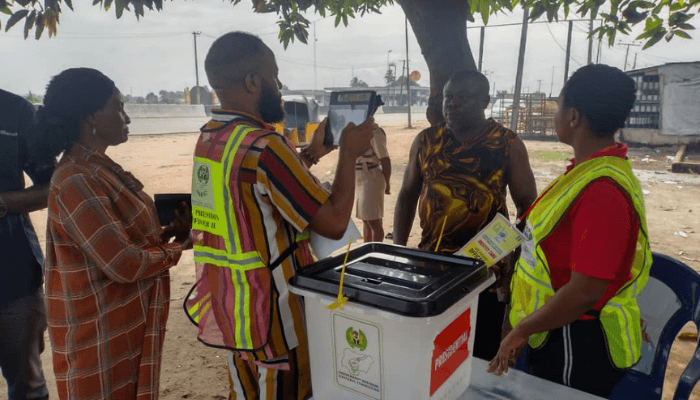
Reports from polling units across the six area councils indicated that accreditation and voting commenced in most locations on schedule, with electoral officials and materials arriving early. However, despite prior mobilisation and voter sensitisation campaigns by the Independent National Electoral Commission (INEC), many polling units recorded sparse attendance for most of the day.
In parts of the Abuja Municipal Area Council (AMAC), only a handful of voters were seen at several centres hours after voting began, with electoral officers observed waiting for more residents to turn out.
INEC had earlier announced that over a million registered voters were eligible to participate in the elections to choose six area council chairmen and 62 councillors.
While Permanent Voter Cards (PVCs) had reportedly been collected in significant numbers ahead of the polls, the turnout did not reflect the anticipated participation. Political observers noted that local government elections in the FCT have historically struggled with low engagement compared to presidential and gubernatorial contests.
Security presence was visible across the territory, as personnel of the Nigeria Police Force and the Nigeria Security and Civil Defence Corps were deployed to maintain order and safeguard electoral materials. There were no widespread reports of violence as of press time, and voting proceeded peacefully in most areas visited.
Meanwhile, the Peoples Democratic Party (PDP) and other participating political parties had earlier expressed confidence in their chances, though party agents at some polling units attributed the low turnout to voter fatigue and dissatisfaction with grassroots governance. Analysts suggest that civic disengagement, economic pressures, and limited public confidence in local councils may have contributed to the weak showing at the polls.