

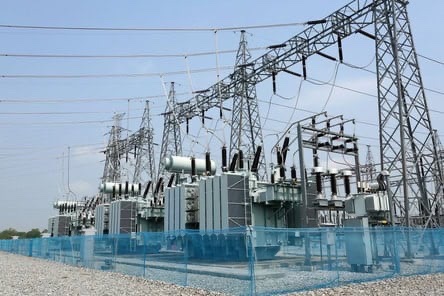
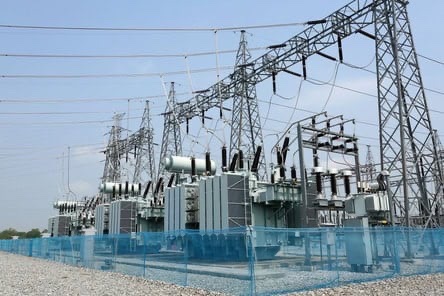
The Nigerian Electricity Regulatory Commission issued a directive in a public notice titled Order on the Registration and Authorisation of Grid-Connected Private Transmission Substations, establishing a regulatory framework requiring owners of private transmission substations used by bulk electricity consumers to obtain an Independent Electricity Transmission Network Operator permit before operating or connecting to the grid.
The order, numbered NERC/2026/013, took effect on March 9, 2026.
Existing private transmission substation owners have 45 days from the effective date to apply for the IETNO permit.
New operators must obtain the permit before connecting their facilities to the grid. Non-compliance will attract regulatory sanctions.
The trigger for the directive is a pattern of failures that has been quietly undermining Nigeria’s already fragile electricity grid. The order was introduced to improve grid reliability, safety and operational visibility following frequent transmission line trips reported by the Nigerian Independent System Operator.
With an increasing number of privately financed substations now connected to the national grid, NERC determined that the absence of a formal regulatory framework had created dangerous gaps in oversight, gaps that were showing up as system disruptions affecting consumers nationwide.
The new framework introduces a clear chain of accountability. NISO is required to submit to NERC a comprehensive list of all existing private transmission substation owners and notify them of the order within five days of its issuance. From that point the 45-day clock starts ticking for existing operators to file their permit applications.
The compliance requirements do not stop at permit acquisition. Operators must submit monthly operational reports to NERC while NISO will conduct periodic inspections to ensure ongoing compliance with the Grid Code governing Nigeria’s electricity supply industry.
On the technical side, NISO will deploy Internet of Things based metering systems at all substation interconnection points within 120 days, a move that will give regulators real-time visibility into what is happening at every privately owned substation connected to the national grid, replacing a system where much of that activity was effectively invisible to oversight bodies.
NERC officials noted that the increasing number of privately financed substations connected to the national grid created the need for stronger regulatory monitoring, and that the measure will ensure privately developed facilities operate within established technical and safety standards.
The directive arrives as part of a broader push by NERC to tighten oversight across the entire electricity supply chain. It follows the commission’s recent order directing all distribution companies to refund N20.33 billion to customers who procured meters under the Meter Asset Provider framework, another enforcement action demonstrating that NERC under its current leadership is increasingly willing to use its regulatory muscle.