

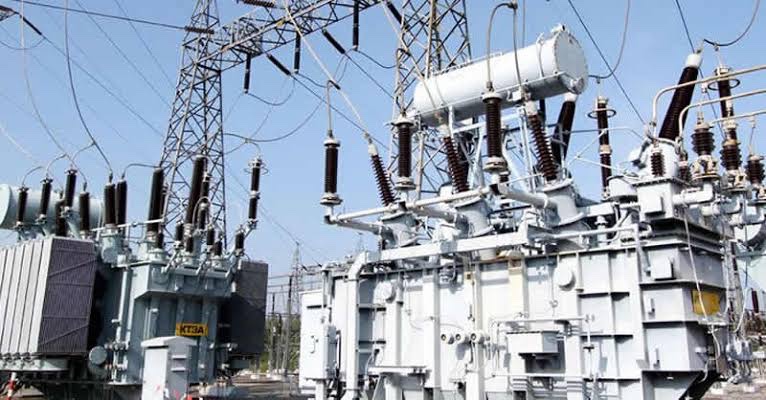
Nigeria Independent System Operator (NISO) has disclosed the reason behind the grid collapse on Friday, saying the nationwide outage was caused by a system-wide disturbance involving multiple high-voltage transmission lines.
In a statement, NISO said the collapse was triggered by the simultaneous tripping of several 330 kilovolt transmission lines, along with the disconnection of some power-generating units connected to the national grid.
Operational data showed that electricity supply to Nigeria’s 11 distribution companies dropped to zero megawatts at about 1:00 pm, marking the first grid collapse of 2026. Power generation reportedly fell to zero at approximately 12:40 pm, leading to a total blackout across the interconnected network.
“Preliminary operational reports indicate that the disturbance was associated with the simultaneous tripping of multiple 330kV transmission lines, alongside the disconnection of some grid-connected generating units,” the operator said.
Power restoration efforts began shortly after 1:15 pm, in line with established grid recovery procedures. NISO confirmed that electricity supply has been restored to key locations, including Abuja and Lagos, as well as Osogbo, Benin, Onitsha, Sakete, Jebba, Kainji and Shiroro.
The operator said restoration is continuing in other parts of the country, while a detailed investigation into the cause of the collapse remains ongoing.
Nigeria has recorded several grid failures in recent years, underscoring persistent challenges in the country’s power transmission system.