


After nearly three decades of legal battles, corporate standoffs and diplomatic tensions, Nigeria has finally drawn a line under one of the most controversial oil disputes in its history.
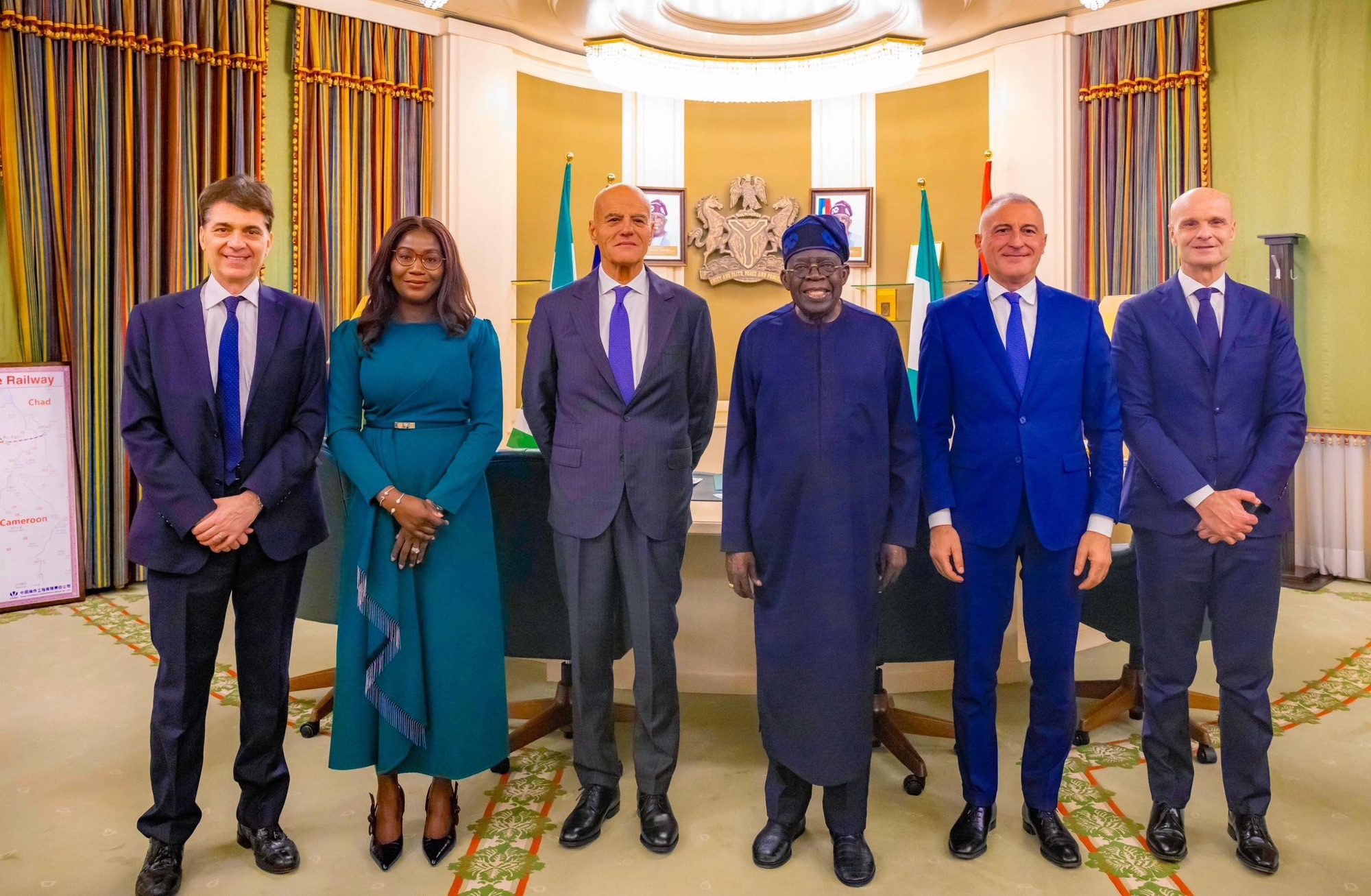
President Bola Tinubu announced on Wednesday March 4, 2026 that the Federal Government has reached a resolution of the long-running OPL 245 dispute, paving the way for the immediate development of one of the largest and most strategically significant deepwater oil blocks in Nigerian waters.
The resolution involves splitting the original OPL 245 block into four separate blocks; OPL 245, 245A, 245B and 245C to be developed by Shell and Eni under revised terms that the government says better reflect Nigeria’s national interest and provide a more equitable framework for revenue sharing.
The scale of what has just been unlocked is significant. OPL 245, located in the deep waters of the Gulf of Guinea, is estimated to contain between 6 and 9 billion barrels of oil equivalent, making it one of the largest undeveloped deepwater reserves on the African continent. Its development had been frozen for years by a web of legal proceedings across multiple jurisdictions including Nigeria, Italy and the Netherlands, preventing billions of dollars in investment from flowing into the country.
The agreement is expected to attract over $10 billion in foreign direct investment into Nigeria’s deepwater sector, create thousands of direct and indirect jobs and significantly boost crude oil production at a time when Nigeria is working to close the gap between its OPEC quota and its actual output.
Speaking at the announcement, Tinubu described the resolution as a major milestone for Nigeria’s oil and gas sector and a clear signal to international investors that Nigeria is open for business. “This resolution ends decades of uncertainty and opens a new chapter for Nigerian oil development. It demonstrates our commitment to resolving legacy issues and creating a stable, attractive environment for energy investment,” he said.
The Nigerian National Petroleum Company Limited will retain its equity stake in the newly structured blocks, ensuring that Nigerians continue to benefit directly from the development of one of the country’s most valuable natural resources.
The resolution comes on the back of sustained diplomatic and legal engagement by the Tinubu administration, which identified the OPL 245 impasse as one of several legacy disputes it intended to resolve as part of a broader effort to revitalise Nigeria’s upstream oil sector and restore investor confidence.
Industry analysts have described the development as a significant positive signal for Nigeria’s deepwater sector, noting that the country has struggled to attract new deepwater commitments in recent years due to regulatory uncertainty, fiscal instability and unresolved legacy disputes of which OPL 245 was the most prominent. With that obstacle now removed, operators and investors who had been sitting on the sidelines are expected to take a fresh look at Nigeria’s deepwater opportunities.