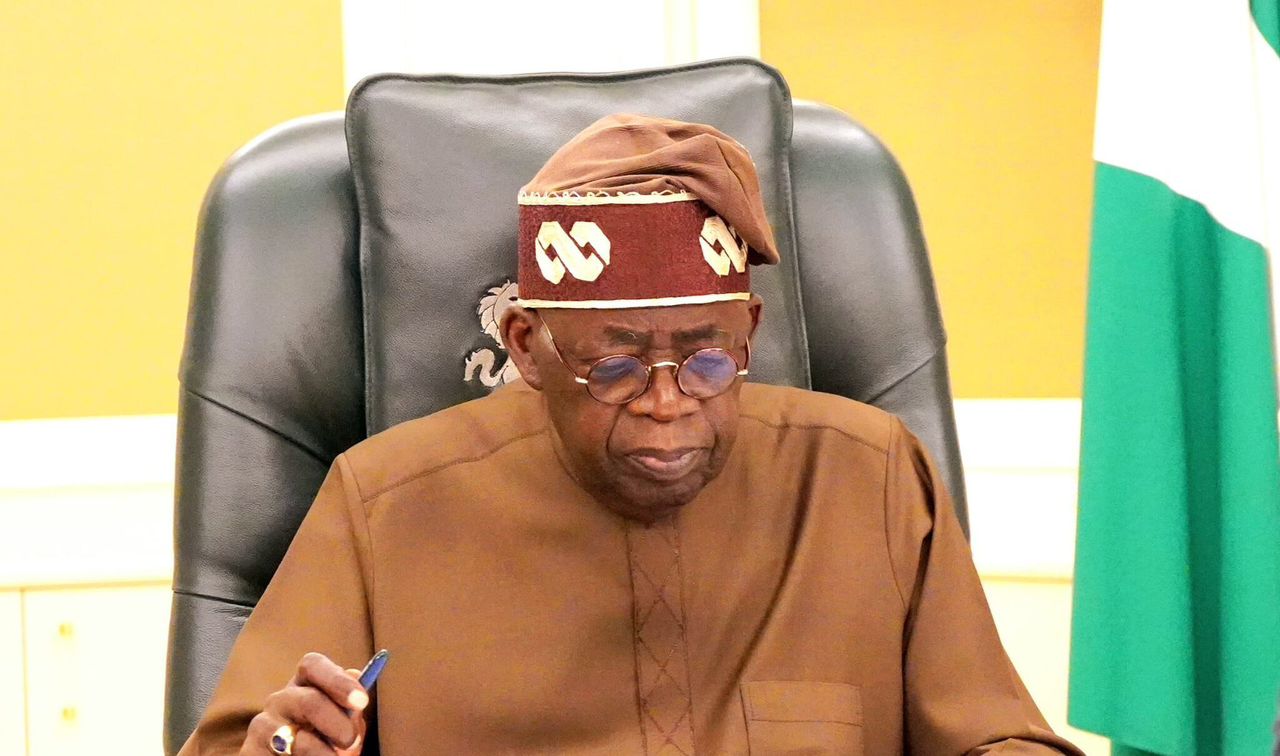

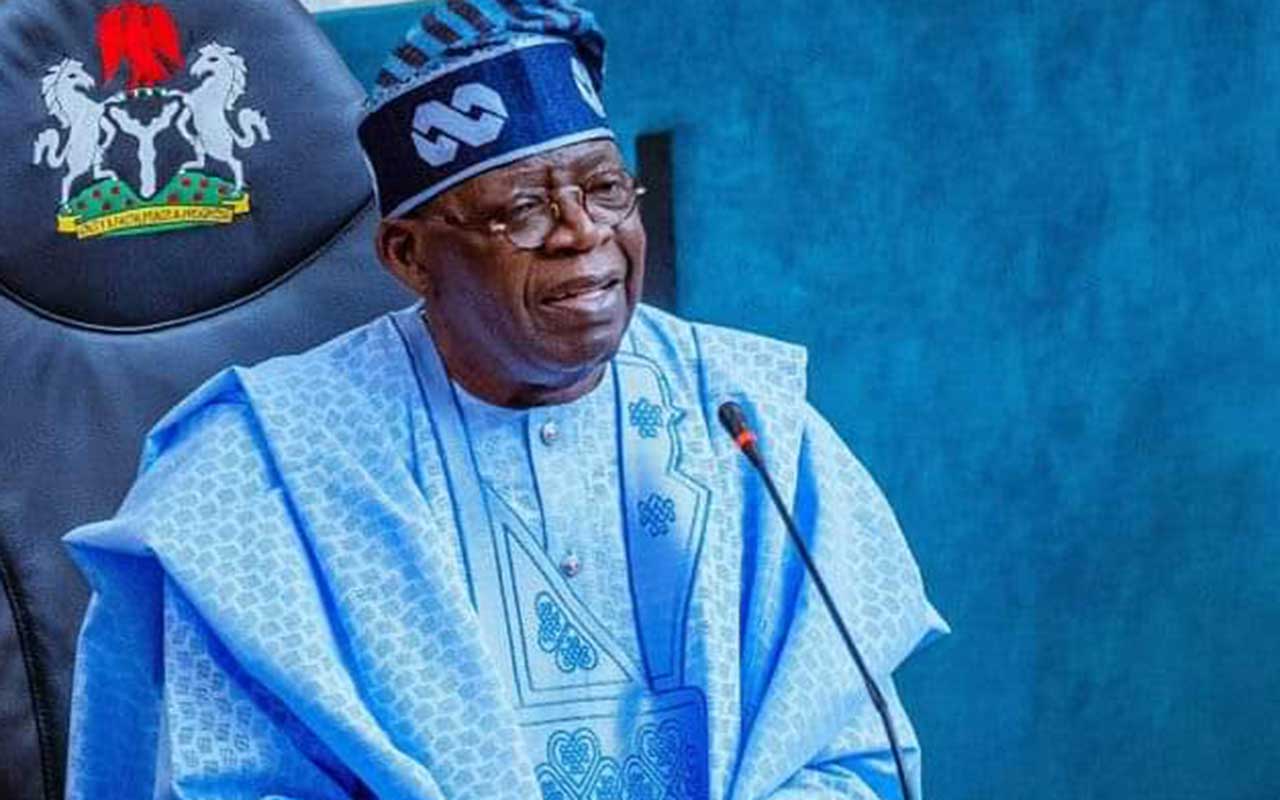
Nigeria’s President Bola Tinubu has warned that poor road maintenance is draining public resources and has ordered a major overhaul of how federal roads are managed.
He has directed the Federal Roads Maintenance Agency (FERMA) to create a comprehensive, geo-referenced national database of failed and failing federal roads, aimed at identifying why roads deteriorate and how to prevent repeated damage.
The directive was delivered on Tuesday at the 2026 Roads Summit in Abuja, themed “Sustainable Road Infrastructure for National Growth”. President Tinubu was represented at the event by the Secretary to the Government of the Federation, Senator George Akume.
According to the president, the database should clearly show the causes of road failures, including poor design, substandard construction, axle overloading, drainage problems, climate effects and weak maintenance practices.
Mr Tinubu said Nigeria must move away from emergency repairs towards a preventive, evidence-based maintenance system, stressing that durable infrastructure depends on accurate data and strong coordination among institutions.
“Sustainable infrastructure management begins with knowing the true condition of our assets,” he said, adding that regular road condition audits, safety checks and post-failure assessments must be strengthened nationwide.
He noted that a credible road asset database would improve budget planning, help prioritise repairs, increase contractor accountability and support research collaboration with bodies such as the Nigerian Building and Road Research Institute.
The president also said that constructing new roads was only part of government’s responsibility, warning that neglecting existing roads undermines development efforts.
Nigeria’s Minister of State for Works, Bello Goronyo, said road transport remains the country’s main mode of movement, accounting for more than 90% of passenger and goods traffic.
“When our roads work, Nigeria moves forward,” he said. “But practices such as overloading, reckless driving and unauthorised road use shorten the lifespan of our roads and force the government into repeated repairs.”
He added that road abuse places a heavy burden on limited public funds, making it harder to expand and modernise the road network.
Earlier, FERMA’s managing director, Dr Emeka Agbasi, said sustainable road infrastructure goes beyond construction and requires long-term planning, data-driven management and predictable maintenance funding.
He said Nigeria must shift from short-term fixes to a lifecycle-based approach that ensures roads last longer and deliver better value for money.