
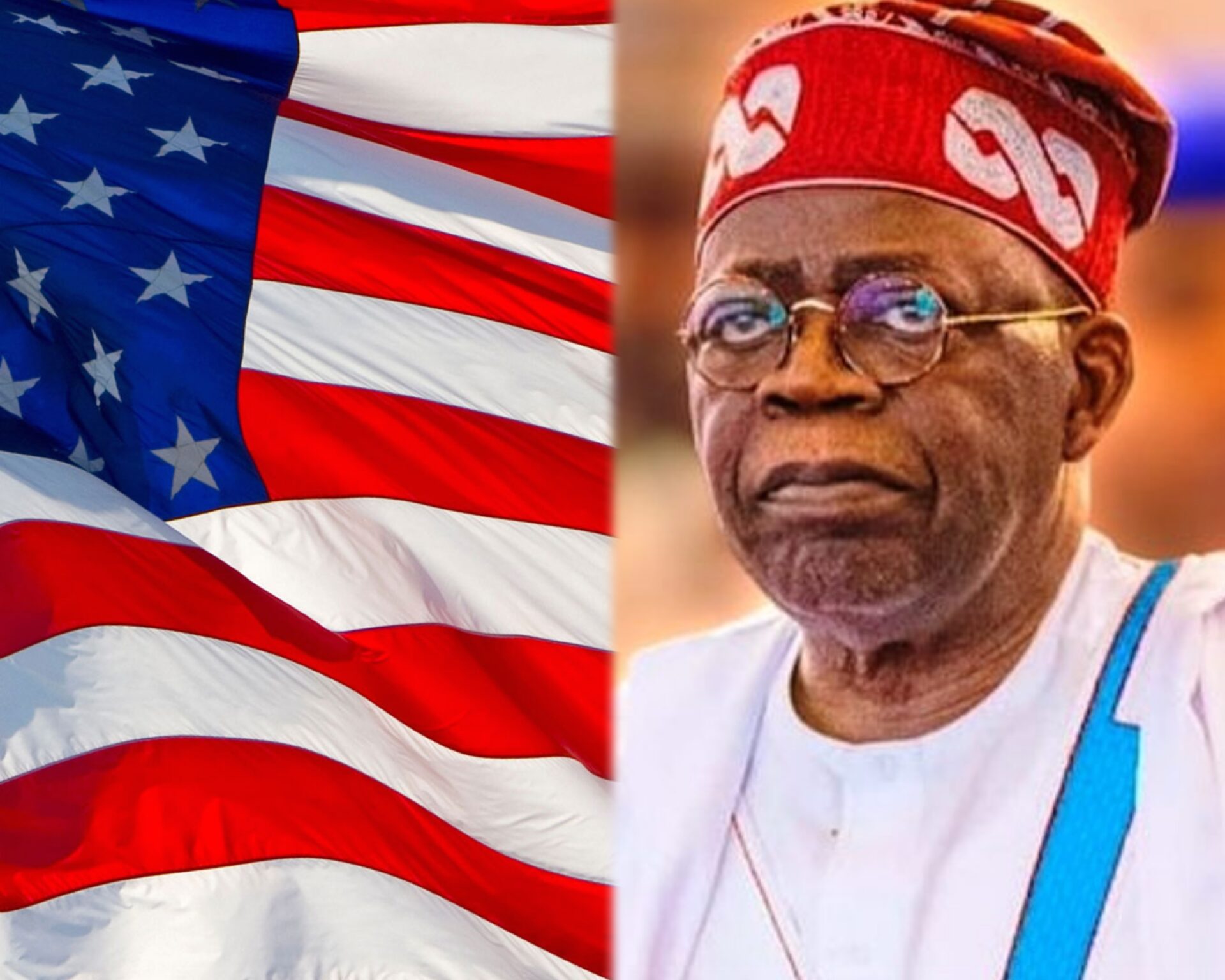
The United States has announced sweeping visa restrictions targeting individuals involved in religious persecution in Nigeria and across the world, in what Washington describes as a decisive response to ongoing atrocities, particularly the sustained attacks on Christian communities.
The announcement was made public by United States Secretary of State Marco Rubio through his verified X account, drawing global attention to Nigeria’s worsening security situation and the unchecked violence that has claimed thousands of Christian lives over the years.
In his post, Senator Rubio stated that the United States is taking decisive action in response to the atrocities and violence against Christians in Nigeria and around the world. He said the State Department will restrict visas for those who knowingly direct, authorise, fund, support, or carry out violations of religious freedom. According to him, the new visa policy applies to Nigeria and to other governments or individuals that persecute people on account of their religious beliefs.
https://x.com/secrubio/status/1996241392088002737?s=46
The statement is one of the strongest acknowledgements yet from A senior United States Government official regarding Nigeria’s religious freedom crisis. This crisis, many international observers argue, has been underreported and insufficiently addressed. For years, Christian communities in the Middle Belt region and in several northern states have faced systematic attacks, mass killings, abductions and the destruction of entire villages.
These acts are often attributed to extremist militias, heavily armed bandits and other violent non-state actors. Despite numerous warnings and detailed reports by rights groups, the situation continues to escalate, with perpetrators rarely apprehended or punished.
Nigeria is consistently ranked among the most dangerous countries in the world to be a Christian according to multiple global human rights assessments. Reports by Amnesty International, Open Doors, Christian Solidarity Worldwide and local monitoring organisations reveal that thousands of Christians have been killed in the last decade, with many survivors driven from their ancestral homes and forced into displacement camps. Entire communities have been emptied, churches burned and farmlands seized by violent groups operating with increasing boldness.
In Plateau State, Kaduna State, Benue State, Taraba State and parts of Adamawa, recurring waves of violence have left families devastated and communities shattered. The Christmas Eve attacks of 2023 in Plateau State, which claimed more than one hundred lives in a single night, remain one of the most horrifying episodes of mass carnage in recent years. Survivors recounted how armed men encircled their villages, opened fire on anyone they saw and set homes ablaze while families fled into the darkness. These attacks, like many others, produced global shock but little meaningful action on the ground.
Kaduna State, which many analysts describe as the centre of violent kidnappings and sectarian attacks, has suffered repeated abductions of Christian students and worshippers. The kidnapping of the Bethel Baptist High School students, the Greenfield University abductions and the kidnapping of church members during worship services have underscored the vulnerability of Christian communities who now live under constant threat. Benue State has also been ravaged by a pattern of attacks linked to armed Fulani militias, resulting in the deaths of thousands and the displacement of countless farming communities. Victims often describe the same pattern of late-night assaults, destruction of homes, murder of villagers and the occupation of farmlands after communities flee for safety.
Kidnapping has now grown into a multi-billion-naira criminal enterprise in Nigeria, and churches have become frequent targets. Pastors have been abducted during worship services, missionaries seized on their way to outreach programmes and Christian travellers kidnapped on major roads. Many victims are killed even after their families manage to pay the ransom. The long captivity of Leah Sharibu, who was abducted from her school in Dapchi in 2018 and kept because she refused to renounce her Christian faith, remains one of the most painful reminders of the religious persecution problem that continues to plague the country.
These experiences have left deep emotional, economic and spiritual scars. Many Christian farmers have abandoned their lands and livelihoods. Some churches now conduct services behind locked gates or shorten their worship hours due to fear of attacks. Thousands of Christian families have been forced into camps for internally displaced persons where they struggle with hunger, disease and trauma. The humanitarian burden continues to grow as violence drives more people from their homes.
The United States government’s renewed attention to the crisis follows years of lobbying by diaspora groups, civil society organisations and international lawmakers who insist that the scale of violence in Nigeria clearly meets the definition of targeted religious persecution. Nigeria was previously listed as a Country of Particular Concern under the United States International Religious Freedom Act in 2020, but the designation was removed the following year. That reversal drew heavy criticism from rights advocates who argued that the delisting ignored the mounting evidence of ongoing targeted violence.
Senator Rubio’s statement suggests a shift toward stronger measures. Visa restrictions are among the most direct diplomatic tools available to the United States. They will apply to government officials, security actors and private individuals found to be complicit in religious persecution or in the failure to prevent or address attacks on vulnerable communities. Although no names have yet been published, the new policy signals that Washington is prepared to hold individuals accountable for actions or inactions that contribute to religiously motivated violence.
This development places additional pressure on Nigerian authorities who have long been accused of slow responses, uneven protection across communities and repeated failure to prosecute attackers. Analysts believe the policy may force state and federal officials to demonstrate clearer progress in curbing the violence.
Behind these discussions lie the stories of ordinary Nigerians who have endured unimaginable suffering—widows who saw their husbands killed. Children orphaned in one night. Survivors have been displaced for years with no hope of returning to their homes. Pastors who abandoned decades of ministry work to flee for their lives. Families who still search for loved ones abducted years ago. Their stories form the human foundation of a crisis that has moved the United States to act.
While visa restrictions alone cannot end the violence, they represent an important diplomatic signal that the world is paying closer attention. They also serve as a warning that impunity will no longer go unnoticed and that the international community expects Nigeria to protect the rights and lives of all its citizens, regardless of their faith.
For Nigerian Christians who have cried out for years for international recognition of their plight, the announcement may offer a sense of relief and renewed hope. Whether it will translate into improved security on the ground remains to be seen, but the growing attention signals that the international community is no longer willing to overlook the systematic violence that continues to threaten the existence of numerous Christian communities in Nigeria.
Senator Rubio’s announcement has amplified a long-standing concern that Christian lives in Nigeria remain at severe risk due to coordinated attacks, abductions and religiously motivated violence. As the United States moves to restrict visas for individuals involved in such violations, the world waits to see whether this step will spur stronger international intervention and whether Nigerian authorities will take decisive action to safeguard vulnerable communities and pursue justice for victims who have waited too long.