

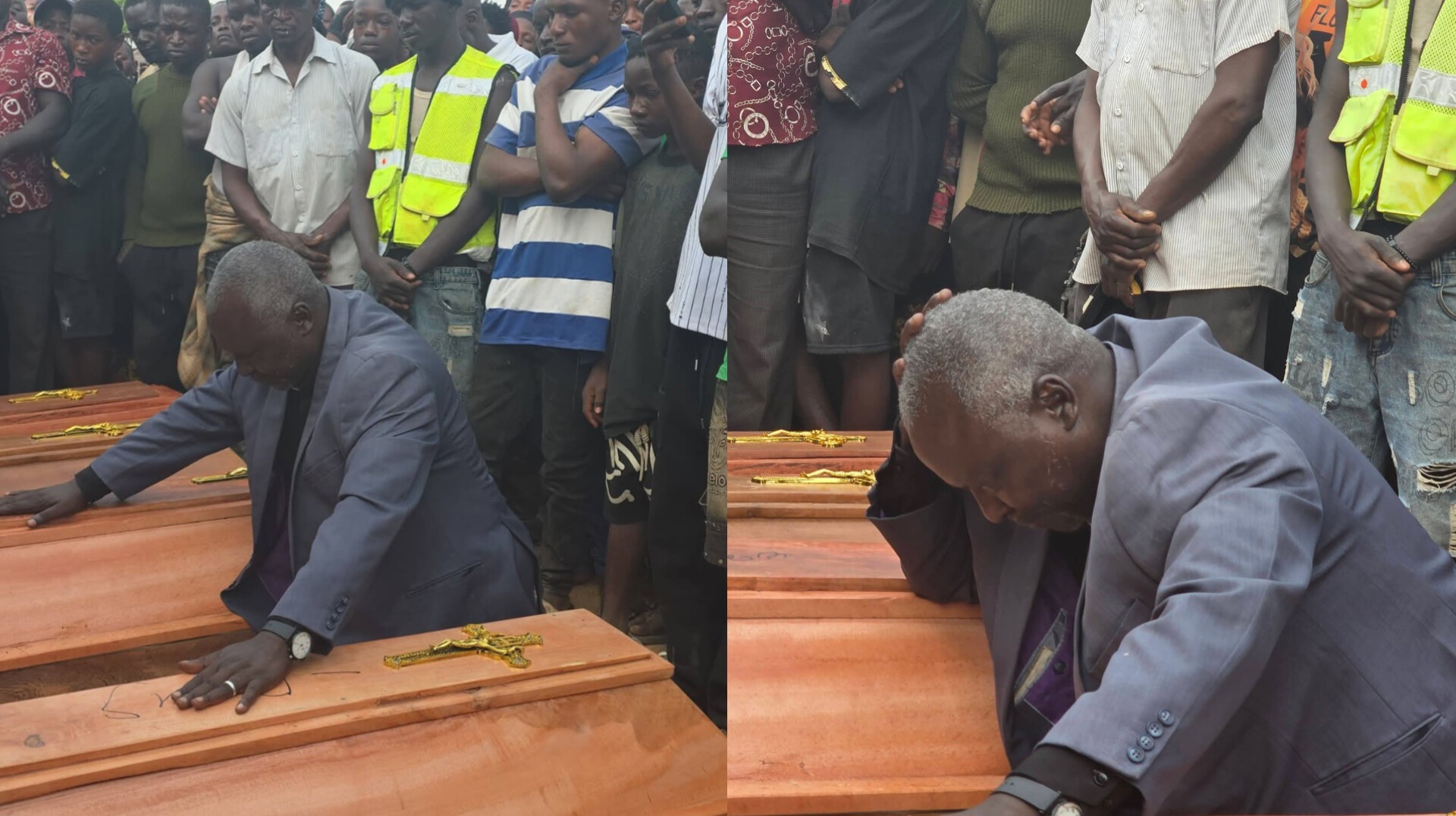
Nigeria stands at a troubling crossroads where insecurity has become normalised, and fear has replaced hope, particularly among Christian communities across parts of the country. What was once dismissed as isolated violence has evolved into a sustained pattern of attacks, abductions, and killings that now define daily life for many believers.
In large parts of northern and central Nigeria, attending church has become an act of courage rather than a routine expression of faith. Worshippers gather knowing a service could be violently interrupted. Parents sit beside their children, unsure whether they will return home alive. Pastors preach while scanning their surroundings. This fear is grounded in repeated and well-documented assaults on churches and Christian communities.
Armed groups described as bandits, terrorists, or extremists operate with alarming freedom. Churches have been invaded in daylight, congregations abducted en masse, and villages emptied. These attacks often occur without timely intervention, raising serious questions about the capacity and willingness of the state to protect its citizens.
What deepens the tragedy is not only the brutality of the attackers but the response of the authorities. After major incidents, official reactions are slow, vague, or contradictory. Families are left in anguish with little information about rescue efforts or the fate of loved ones. In some cases, attacks are denied outright despite eyewitness accounts.
This silence sends a dangerous message. It suggests some lives matter less than others and that religious minorities can be neglected without consequence. For many Nigerian Christians, this perception has hardened into a painful sense of abandonment.
Women and children bear a disproportionate burden. Mothers are abducted with their children, enduring trauma that leaves deep scars. Young girls are exposed to abuse, forced displacement, and the loss of education. Survival becomes a daily negotiation between fear and resilience.
Children who should associate church with safety instead grow up with memories of gunfire, forced marches, and separation from family. Many witness violence that no child should ever see. The long-term psychological consequences are devastating and enduring.
Nigeria’s constitution guarantees the right to life, dignity, and freedom of religion. Yet for many Christians, these rights exist largely on paper. When worshippers are abducted during services without accountability, the social contract begins to collapse.
The economic and psychological costs are severe. Families abandon farms and livelihoods. Churches lose members as congregations disperse. Communities are pushed deeper into poverty, displacement, and despair.
Political discourse at the national level appears increasingly detached from this suffering. As election cycles approach, attention shifts toward power struggles and political survival. Meanwhile, communities under siege wait for protection that never comes.
The primary responsibility of any government is the protection of lives and property. When this duty is neglected, governance becomes self-preservation rather than public service. A state that cannot secure its citizens cannot credibly claim authority.
The continued failure to confront this crisis also threatens national unity. When citizens feel targeted or abandoned because of their faith, divisions deepen, and grievances harden.
The international community has taken note. Human rights organisations and faith-based groups document patterns of persecution and state failure. Yet meaningful global pressure remains limited. Silence emboldens perpetrators.
Nigerian Christians are not asking for privilege. They are asking for the basic protection owed to every citizen. They are asking to worship without fear.
John Locke observed that the end of law is to preserve freedom. When the law fails to protect life, it becomes complicit in injustice.
Nelson Mandela warned that denying human rights challenges humanity itself. When Christians are left unprotected, Nigeria’s moral conscience is called into question.
True leadership is measured not by speeches but by the safety of the vulnerable. Protecting lives is not optional. It is the foundation of governance. Until this responsibility is taken seriously, faith will continue to be practised under siege rather than in freedom…
Deacon Ambassador Darlington Okpebholo Ray, MSc CIPD, BAJ, is a UN Ambassador for Global Peace, journalist, socio-political commentator, and human and civil rights activist. He is a member of the British Association of Journalists and writes on governance, security, religious freedom, and social justice, with a focus on Nigeria and Africa. He writes from South-East London, United Kingdom