
By Dr. William Omuna, Rivers East Senatorial District Aspirant, 2027.
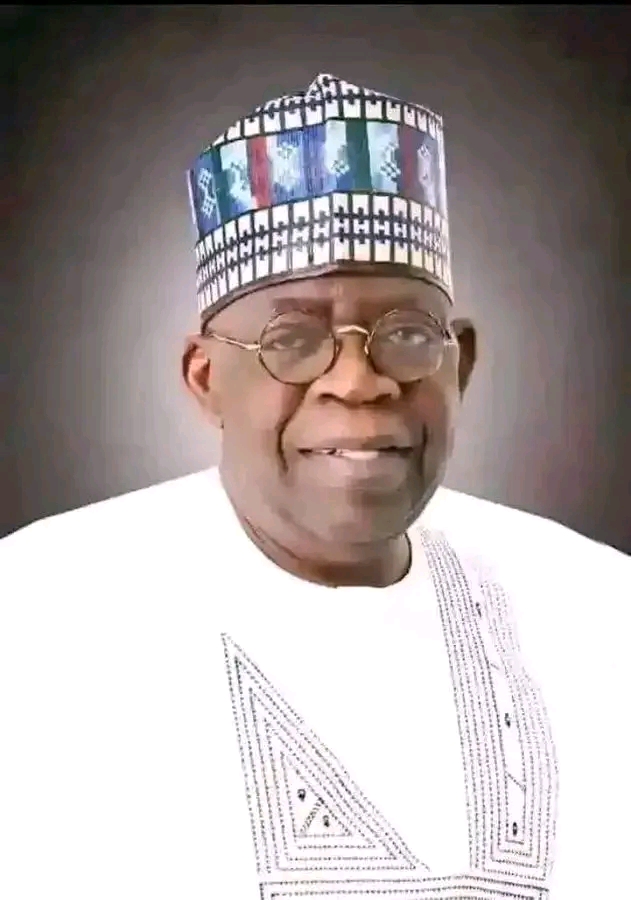
President Bola Ahmed Tinubu assumed office on May 29, 2023, alongside Vice President Kashim Shettima, inheriting an economy strained by debt, distortions, and declining investor confidence.
From inception, the Tinubu administration pursued decisive structural reforms, emphasizing economic stabilization, institutional rebuilding, infrastructure renewal, social interventions, security enhancement, and diplomatic reengagement with global partners.
According to the Presidency, early decisions reflected urgency, as Nigeria faced mounting fiscal pressures, weakened revenue streams, foreign exchange distortions, and eroded public trust in economic governance.
Early Policy Actions and Structural Shifts
One of President Tinubu’s earliest and boldest decisions was the removal of the long-standing petrol subsidy, a policy draining public finances for decades.
Announcing the policy shift during his inauguration, Tinubu declared, “Fuel subsidy is gone,” signaling immediate commitment to fiscal sustainability and long-term economic realism.
Government officials later explained that subsidy payments consumed trillions annually, crowding out capital investments, social services, and infrastructure development across the federation.
Simultaneously, the administration unified Nigeria’s multiple foreign exchange windows, transitioning toward a market-driven regime designed to eliminate arbitrage and restore investor confidence.
Economic analysts noted that FX unification addressed distortions that discouraged foreign investment, weakened reserves, and fueled rent-seeking practices within public and private sectors.
To coordinate reforms, President Tinubu established the Presidential Economic Coordination Council, integrating private-sector expertise into national economic planning and execution frameworks.
According to an economic adviser, the council provided “a platform for data-driven decisions, aligning fiscal, monetary, and trade policies under a coherent national strategy.”
Despite initial inflationary pressures, the administration maintained reform momentum, arguing that temporary pain was unavoidable after years of accumulated economic mismanagement.
2024: Stabilization and Fiscal Consolidation Phase
By 2024, Nigeria entered a stabilization phase, with fiscal consolidation emerging as a defining feature of Tinubu’s economic strategy.
Official figures indicated that Nigeria recorded a $6.83 billion balance-of-payments surplus in 2024, reversing persistent deficits from previous fiscal cycles.
The Central Bank attributed the surplus to improved export receipts, FX reforms, reduced subsidy spending, and disciplined macroeconomic coordination across government institutions.
Debt service-to-revenue ratios improved significantly, as subsidy removal freed resources while revenue inflows expanded through improved collection mechanisms.
- Bishop Ernest Obodo Takes Over Ebonyi Diocese Following Death Of Peter Chukwu
- NDLEA Busts International Drug Ring, Arrests Ivorian Cocaine Courier, Nigerian Medical Doctor
- Gani Adams Arrives Calabar As Global Monarchs Converge For Olumba Obu’s Silver Jubilee Coronation Anniversary
- More Prominent Nigerians Call for INEC Boss’ Resignation
- NDLEA Seizes Truckloads Of Cannabis In Edo
According to the Ministry of Finance, fiscal indicators reflected “measurable progress toward sustainability, reducing Nigeria’s vulnerability to debt shocks.”
Tax reform groundwork advanced, with multiple bills processed to modernize administration, broaden the tax base, and strengthen compliance through digital monitoring systems.
Legislators involved in the process stated that reforms aimed to simplify taxation, reduce leakages, and align Nigeria’s fiscal regime with global best practices.
Security, Social, and Institutional Actions
Beyond economics, President Tinubu expanded recruitment into the Nigeria Police Force, reinforcing internal security capacity amid rising population and security demands.
Security agencies intensified operations against banditry, kidnapping, and organized crime, particularly across vulnerable rural and peri-urban communities.
An internal security report noted that enhanced manpower and logistics improved response times and intelligence-led operations nationwide.
In agriculture, Tinubu declared a state of emergency on food production, responding to supply disruptions and escalating food inflation pressures.
The government released strategic grain reserves, stabilized market availability, and supported farmers with inputs, credit facilities, and mechanization initiatives.
Many Nigerians, especially in agrarian communities, acknowledged gradual improvements in food access, reflecting the administration’s emphasis on domestic production.
Investor Confidence and Trade Expansion
Investor sentiment improved under Tinubu, with foreign firms signaling renewed interest across energy, infrastructure, manufacturing, and technology sectors.
Officials from investment promotion agencies reported increased inquiries, project commitments, and feasibility engagements by multinational corporations.
Trade data showed rising export volumes, reflecting improved competitiveness and policy clarity in Nigeria’s external trade environment.
2025: Major Economic Milestones and Expansion
By October 2025, President Tinubu outlined landmark economic achievements, highlighting record non-oil revenue exceeding ₦20 trillion by August 2025.
According to fiscal authorities, this milestone demonstrated success in diversifying revenue sources beyond hydrocarbons, long considered Nigeria’s economic vulnerability.
The administration reported restored fiscal health, with reduced debt-service ratios and clearance of Ways and Means financing obligations.
Economic historians observed that such progress mirrored reforms attempted under late President Umaru Musa Yar’Adua, though Tinubu’s execution achieved fuller realization.
Foreign exchange reserves reached multi-year highs, signaling improved balance-of-payments resilience and strengthened external buffers.
Nigeria recorded trade surpluses, effectively transitioning into a net exporter, supported by manufacturing recovery and agricultural exports.
.
Inflation trends eased gradually, while GDP growth milestones reflected cautious but consistent economic expansion.
Agricultural output expanded further, reinforcing food security gains and reducing reliance on imported staples.
Infrastructure, Social Programs, and Institutional Reforms
The Lagos-Calabar Coastal Highway advanced with groundbreaking and commissioning of initial segments, establishing a strategic transport and economic corridor.
Infrastructure experts described the project as transformative, linking coastal economies, reducing logistics costs, and positioning Nigeria as a regional investment hub.
President Tinubu also launched regional development commissions to accelerate zone-based growth, a model rarely implemented at continental scale.
Social interventions expanded, including presidential loan schemes, grants, student loan programs, and targeted youth employment initiatives nationwide.
Beneficiaries reported improved access to education financing and startup capital, supporting human capital development and entrepreneurship.
A landmark tax reform bill passed and took effect in January 2026, overhauling Nigeria’s national tax system comprehensively.
Implementation reports indicated early success, with improved compliance, simplified processes, and increased transparency across revenue agencies.
Early 2026 Economic and Security Outlook
Entering 2026, President Tinubu outlined priorities focused on deepening growth, sustaining fiscal discipline, and consolidating reform gains.
The 2026 appropriation framework emphasized infrastructure expansion, education, healthcare, and human capital development as growth enablers.
Security operations intensified, including the launch of Operation Savannah Shield to counter escalating, allegedly sponsored, violent threats.
Nigeria strengthened cooperation with international partners, enhancing counter-terrorism intelligence, training, and logistical support.
Troop deployments to flashpoint areas reflected ongoing security challenges and the administration’s resolve to protect lives and assets.
Security analysts argued that sustained reforms, resource allocation, and institutional coordination positioned Tinubu to progressively contain insecurity.
Timeline of Key Achievements
In 2023, the administration implemented subsidy removal, FX unification, and established economic coordination frameworks
guiding reform execution.
In 2024, fiscal consolidation delivered balance-of-payments surplus, preparatory tax reforms, security initiatives, and food security interventions.
In 2025, Nigeria recorded record non-oil revenue, strengthened reserves, net exporter status, major infrastructure projects, and expanded social programs.
In 2026, tax reforms entered implementation, growth targets advanced, infrastructure rollout continued, and security responses intensified nationwide.
Conclusion and Political Outlook
President Tinubu inherited a deeply weakened economy, requiring painful but necessary reforms to restore stability and future prosperity.
Supporters argue that governance requires continuity, especially when reforms yield gradual benefits rather than instant political gratification.
As Dr. William Omuna stated, “Nigeria’s recovery is a process, and President Tinubu has earned the mandate to complete what he courageously began.”
Given the measurable progress recorded, proponents contend that a second term would consolidate gains and deliver broader shared prosperity.
Dr. William Omuna Aspirant & People’s Choice,
APC Rivers East Senatorial District Certified and Endorsed by: Barricades & Brickwalls Public Interest Legal Group of Consultants, Citizens, and Legislative Advocates
📧 dr.williamomuna2016@gmail.co
Most Viewed Posts
- President Tinubu’s Achievements That Strengthen Case For Second Term – Amuna
- Supporting Siminalayi Fubara: Why Rivers People Deserve Continuity Of Purpose In 2027 – Dr William Omuna
- William Omuna Declares Bid For Rivers East Senate, Says It Deserves Senator Who Shows Up
- Budget Without Representation: Outrage as Senator Natasha Alleges Institutional Marginalisation – By Darlington Okpebholo Ray
- Praying for Survival: Inside Nigeria’s Unchecked Violence Against Christians — By Darlington Okpebholo Ray