
The Independent National Electoral Commission (INEC) came under intense criticism on Thursday, April 2, 2026, following its decision to derecognise key leaders of the African Democratic Congress (ADC), further deepening the party’s internal crisis ahead of the 2027 general elections.
Opposition figures and senior members of the ADC condemned the electoral body, accusing it of acting under the influence of the All Progressives Congress-led Federal Government. They also called for the immediate removal of the INEC Chairman, Prof. Joash Amupitan.
INEC, however, swiftly dismissed the demand, insisting that its leadership and operations are constitutionally protected.
In a statement issued in Abuja by the Chief Press Secretary to the Chairman, Adedayo Oketola, the commission acknowledged the right of stakeholders to express their views but emphasised that the appointment and removal of its leadership are governed strictly by the 1999 Constitution.
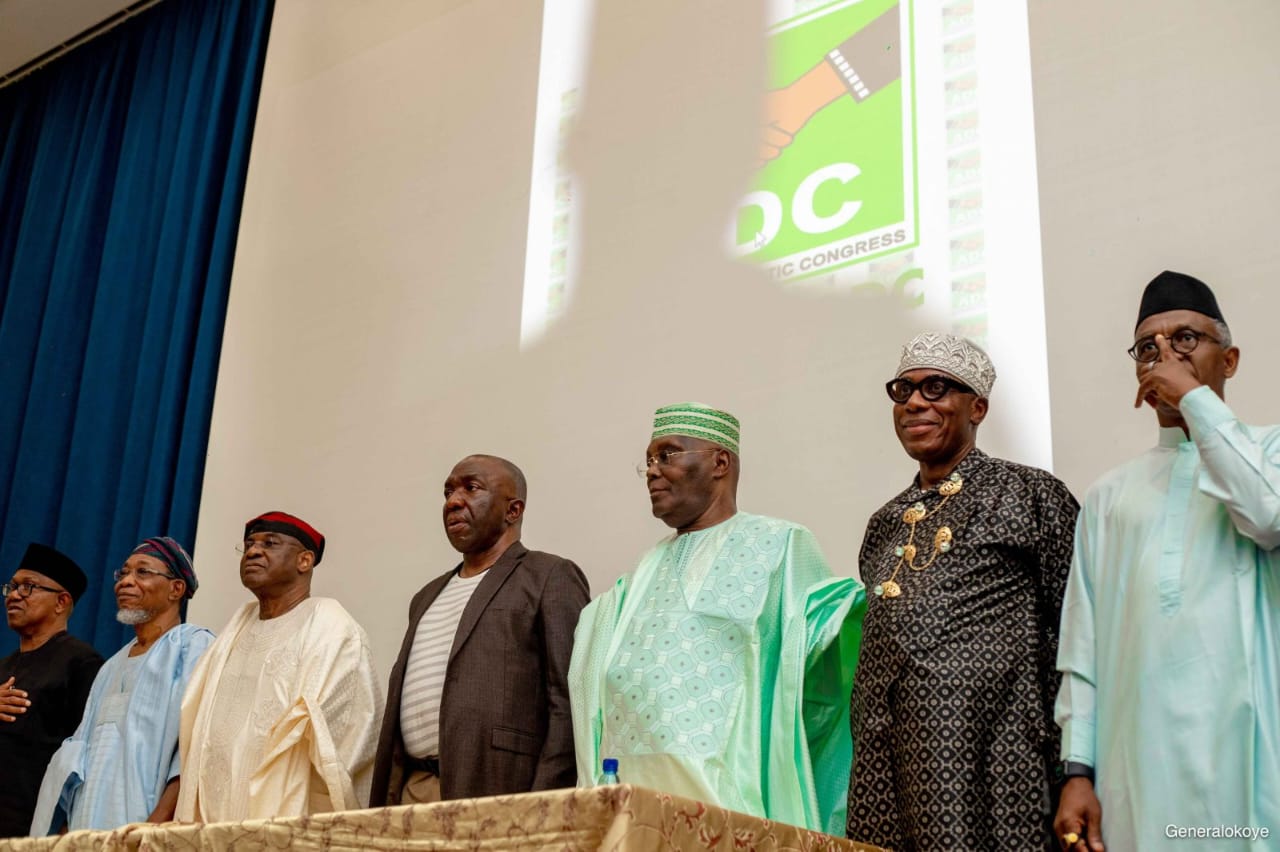
The controversy followed INEC’s announcement on Wednesday that it had delisted key ADC figures, including National Chairman David Mark and National Secretary Rauf Aregbesola, citing compliance with a court order directing parties to maintain the status quo pending the determination of the case.
The ADC has been embroiled in a leadership crisis since July 2025, when Mark emerged as head of a new National Working Committee, sparking disputes within the party and leading to multiple court cases.
Addressing a press conference on Thursday, Mark accused INEC of undermining democratic principles and called for the resignation of the commission’s leadership, stating that the party no longer had confidence in its ability to conduct credible elections.
He maintained that the ADC would continue its activities despite the development, arguing that there is no legal provision mandating INEC’s presence in party affairs.
Responding, the commission defended its actions, explaining that compliance with the Court of Appeal judgment was necessary to avoid a repeat of past electoral disputes in states such as Zamfara and Plateau, where elected officials were removed due to disobedience of court orders.
INEC also clarified that recognising the Mark-led faction would amount to disobedience of a subsisting court directive, adding that it acted to preserve ongoing legal processes.
On allegations of bias and attempts to undermine the multi-party system, the commission rejected the claims, noting that the recent registration of new political parties had increased the total number of recognised parties to 22.
It further reiterated that it would not interfere in internal party disputes or allow itself to be used to resolve organisational conflicts within political parties.
Meanwhile, the Inter-Party Advisory Council urged INEC to exercise caution in handling the ADC crisis, warning that missteps could erode public confidence in the electoral process.
The council also raised concerns over the planned Nationwide Voter Revalidation Exercise, cautioning that its timing could strain political parties and potentially disenfranchise voters if not properly managed.
Similarly, the Peoples Democratic Party criticised the commission’s decision, alleging that recent developments were heightening political tensions in the country and testing the resilience of Nigeria’s democracy.
On its part, the All Progressives Congress dismissed the allegations, describing the ADC’s crisis as self-inflicted and denying any form of interference in the party’s internal affairs.
Amid the growing tensions, security was heightened at INEC’s headquarters in Abuja, with armed personnel deployed to prevent a breakdown of law and order as protests were mobilised by opposing groups.
Supporters and critics of the commission staged demonstrations around the premises, reflecting the deepening political divide triggered by the ADC leadership dispute.