

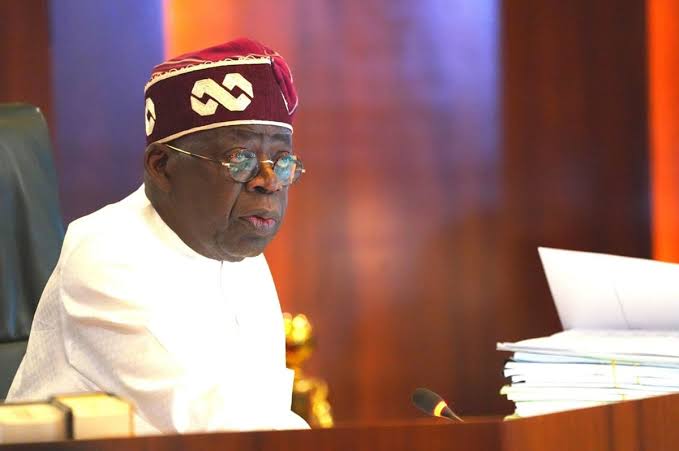
President Bola Ahmed Tinubu has signed the Electoral Act 2026 (Amendment) Bill into law, introducing significant changes to Nigeria’s election framework less than two years before the 2027 general elections.
The bill was signed on Wednesday at the State House in Abuja, shortly after it was passed by the National Assembly following months of debate, revisions and political disagreements in both chambers.
Lawmakers had argued that amendments were necessary to address gaps identified in the 2022 Electoral Act and to clarify certain procedures before the next nationwide vote.
The new legislation replaces the 2022 law and adjusts key aspects of how elections will be organised and conducted. Among the changes is a revision of the notice period required before general elections are held.
Lawmakers said the adjustment was partly aimed at preventing future elections from coinciding with major religious observances, including Ramadan.
The amended Act also provides further clarity on the transmission of election results. It permits the electronic transmission of results once official result sheets have been duly completed and signed at polling units. However, it retains a manual backup system in situations where technology is unavailable or fails, a provision that has drawn both support and criticism.
The Independent National Electoral Commission (INEC) is now expected to review the new law and issue updated guidelines to ensure its procedures align with the revised legal framework ahead of the 2027 polls.