
The sudden killing of Iran’s Supreme Leader, Ayatollah Ali Khamenei, in the recent US-Israeli strikes has sent shockwaves across the region, leaving both uncertainty and cautious optimism in its wake, European Union officials have said.
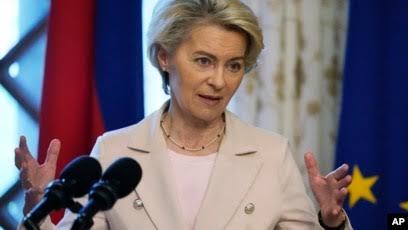
Top EU diplomat Kaja Kallas described the development as “a defining moment in Iran’s history,” while European Commission President Ursula von der Leyen stated that it brings “renewed hope for the people of Iran.”
“At the same time, this moment carries a real risk of instability that could push the region into a spiral of violence,” von der Leyen added, stressing that Brussels is working closely with all key actors to safeguard civilian lives and maintain stability.
Both leaders highlighted the delicate balance now confronting Iran and its neighbors. Kallas, in particular, emphasized the EU’s outreach to nations bearing the brunt of Iran’s military influence, noting that “what comes next is uncertain, but there is now an open path to a different Iran, one that its people may have greater freedom to shape.”
In her social media statements, von der Leyen urged vigilance and careful planning to prevent a sudden escalation, asserting that the international community must protect civilians while navigating a period of potential political upheaval.
The sudden power vacuum in Iran has prompted Tehran to announce the formation of an interim leadership council, tasked with maintaining governance and national security until a successor is formally identified. Analysts warn, however, that internal factions may vie for control, increasing the risk of instability and conflict in the Middle East.
The assassination has also sparked global debate over the legality and consequences of pre-emptive strikes, with observers questioning the long-term implications for regional security and international law.
Social media reactions have mirrored the mix of hope and apprehension. Some Iranian citizens expressed optimism that Khamenei’s removal could allow for political reform and expanded personal freedoms, while others feared a violent backlash from hardline factions.
As the situation unfolds, the EU has pledged ongoing monitoring and coordination with regional partners, including Jordan, to mitigate risks and ensure that the transition does not spiral into wider conflict.