
While Nigerian motorists continue paying above N1,200 per litre at the pump with no government relief in sight, a southern African neighbour has moved swiftly to shield its own citizens from the same global energy shock.
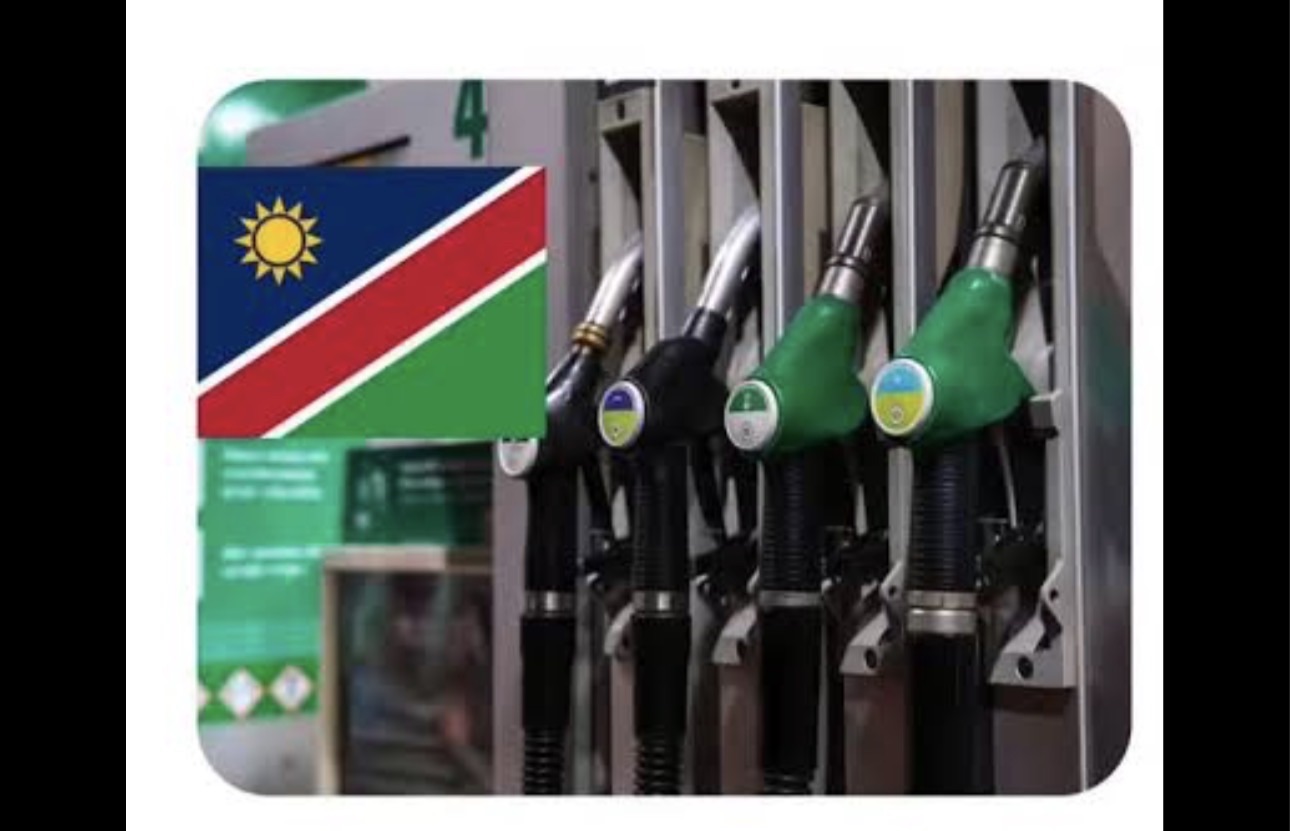
Namibia’s government will temporarily reduce fuel levies by 50 percent for at least three months until the end of June in a bid to protect consumers from higher pump prices as the US-Israeli war with Iran continues, the energy minister announced on Friday March 27, 2026.
Energy Minister Modestus Amutse made the announcement at a media briefing, describing the measure as a direct response to price volatility caused by the Middle East conflict. “This measure is necessitated due to the high price volatility of petroleum products, which resulted from the ongoing geopolitical tensions in the Middle East,” he said.
Cabinet approved the temporary 50 percent reduction in fuel levies for the three-month period from April to June 2026. The government will draw from its National Energy Fund to absorb the under recovery, with April’s shortfall alone amounting to approximately N$500 million roughly N15 billion in Nigerian naira.
The minister explained why intervention was unavoidable. “International oil prices sharply increased during the month of March 2026. This was mainly driven by escalating geopolitical tensions in the Middle East, particularly between the United States, Israel and Iran,” the ministry said, adding that fears of supply disruptions including potential impacts on the Strait of Hormuz have driven up both freight and insurance costs, further compounding price pressures.
The depreciation of the Namibia dollar added further strain weakening by 3.9 percent against the US dollar during the review period, increasing the cost of fuel imports.
Namibia, which is wholly dependent on imports of refined petroleum products and consumes approximately 100 million litres of petrol and diesel monthly, is described as the latest African country to respond directly to the Middle East crisis that has strangled around 20 percent of the world’s oil and liquefied natural gas exports transiting via the Strait of Hormuz.
Amutse said authorities will continue monitoring international oil market trends and act where necessary to protect the country’s energy security, adding that the fund will continue to stabilise fuel price volatility for at least the next three months.
He urged citizens not to engage in panic buying or illegal fuel hoarding, saying the country’s fuel stocks are adequate to meet national demand for one to two months.
The contrast with Nigeria’s response is stark. Despite petrol prices surging from under N800 per litre before the war to above N1,200 in most states, a more than 50 percent increase in under a month, the Federal Government has issued no fuel levy reduction, no relief fund announcement and no direct consumer protection measure linked to the Middle East crisis.
The Nigerian Midstream and Downstream Petroleum Regulatory Authority has similarly not directed marketers to cap prices or absorb any portion of the global oil price shock.
Namibia’s intervention makes it one of the few countries in the region to reduce fuel taxes amid rising global oil prices, as many governments struggle to balance revenue needs with consumer protection.