
Power generation companies (GenCos) in Nigeria have accused distribution companies (DisCos) of deliberately rejecting available electricity, worsening blackouts across the country. The accusations come as households and businesses continue to struggle with prolonged outages.
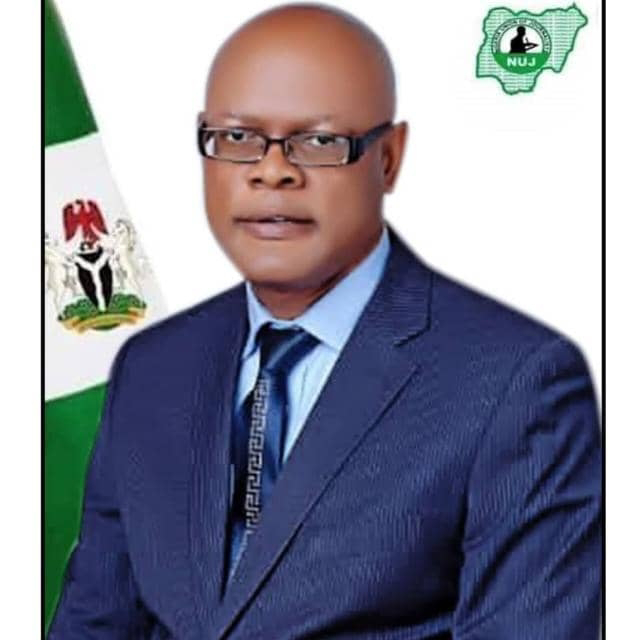
According to Joy Ogaji, “system operators have, on several occasions, asked GenCos to reduce output because DisCos were unwilling to accept allocated loads.” She noted that while gas constraints affect thermal plants, they are only part of the problem. In January, Nigeria generated an average of 4,541 megawatts (MW), but 2,985 MW reportedly went unutilised. February saw 4,218 MW generated, with 3,274 MW not taken up.
Ogaji also highlighted Nigeria’s power infrastructure: “Nigeria currently has about 30 grid-connected power plants with an installed capacity of 15,500MW. However, due to mounting debts and operational constraints, only about 7,000MW can be made available. Even more concerning, only between 4,000MW and 4,500MW is actually transmitted and distributed to consumers, leaving a significant portion of generated power stranded.”
DisCos, however, dispute the allegations. Industry insiders insist what GenCos describe as “load rejection” is actually a transmission issue. One explained that electricity delivered to the wrong locations cannot be efficiently rerouted:
“Accepting such misplaced supply would mean paying for energy they cannot distribute or monetise.”
Sunday Oduntan emphasized collaboration over blame: “Resolving structural inefficiencies would eliminate disputes over load allocation. Financial stability across the sector is critical to improving supply.”
The Transmission Company of Nigeria (TCN) clarified that electricity allocation depends on daily DisCo requests and regulatory guidelines, with the tariff framework determining how power is shared. DisCos nominate their required power a day in advance to help system operators plan distribution.
The dispute highlights deep-rooted challenges in Nigeria’s electricity sector, where generation, transmission, and distribution remain poorly aligned. Millions of Nigerians continue to endure blackouts while stakeholders call for coordinated reforms.