
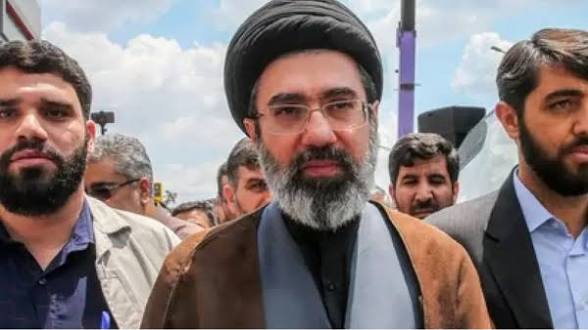
Mojtaba Khamenei, Iran’s newly appointed supreme leader, is recovering from significant injuries sustained during an airstrike that killed his father, according to sources familiar with his inner circle.
Truth Live News International learnt from the Reuters that the incident occurred on February 28 at a compound in Tehran, during the early phase of the ongoing conflict involving the United States and Israel. His predecessor, Ali Khamenei, who had ruled since 1989, was killed in the same attack.
Sources said the 56-year-old leader suffered serious facial injuries that left him disfigured, as well as damage to one or both legs. Despite this, they described him as mentally alert and actively involved in decision-making, including matters related to the war and diplomatic engagement with Washington.
Although no official confirmation has been issued by Iranian authorities regarding the extent of his injuries, a U.S. official previously stated that he had been “wounded and likely disfigured.” Another source familiar with intelligence assessments suggested he may have lost a leg, though this remains unverified.
Since assuming leadership on March 8, Khamenei has not appeared publicly, with no images or video released. His communications have been limited to written statements, including one on March 12 in which he warned regional countries and emphasized Iran’s strategic stance.
His absence has sparked speculation within Iran, with questions circulating on social media about his health and visibility. However, some supporters argue that maintaining a low profile is necessary given ongoing security threats from continued airstrikes.
Analysts say Khamenei may face challenges consolidating authority at a time of heightened instability. Alex Vatanka noted that while he represents continuity, “Mojtaba will be one voice but it will not be the decisive one,” adding that it could take time for him to establish the level of influence his father held.
Iran’s political system places ultimate authority in the hands of the supreme leader, who oversees both elected institutions and powerful security bodies such as the Revolutionary Guards. However, observers suggest that decision-making during the current crisis may be more distributed among senior officials.
Sources indicated that Khamenei could appear publicly within the coming months, depending on his recovery and the security situation.