
The European Union has agreed to widen its sanctions against Iran, targeting individuals and organisations accused of obstructing shipping in the Strait of Hormuz.
According to Reuter, EU diplomats in an interview on Monday said member states had reached a political agreement to update the bloc’s existing sanctions framework, allowing for asset freezes and travel bans on those responsible for disrupting freedom of navigation in the waterway.
“There was a political agreement among ambassadors that we would change the criteria in Iran’s sanctions regime so that we can also list persons and entities responsible for obstruction of navigation in the Strait of Hormuz,” one EU diplomat said.
The EU’s diplomatic service, the European External Action Service, is expected to prepare a list of targeted individuals and entities, a process officials say could take several weeks.
A senior EU official said the move was necessary to protect international trade routes, adding: “Freedom of navigation is a core principle of global trade, and it must be upheld.”
The development comes amid heightened tensions in the region following ongoing conflict involving the United States, Israel and Iran, which began earlier this year. Iran has significantly restricted movement through the Strait of Hormuz in recent weeks, citing responses to military actions by the US and Israel.
Another EU diplomat noted that the situation was having wider global consequences, saying: “The disruption of this corridor is already affecting energy prices and supply chains across the world.”
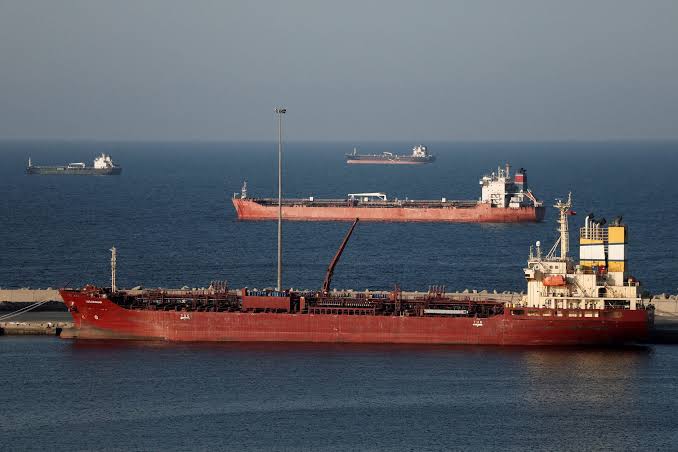
The strait is one of the world’s most critical shipping lanes, with around one-fifth of global oil and liquefied natural gas passing through it. Disruptions have contributed to volatility in global energy markets.
Although some vessels have been allowed limited passage, shipping traffic remains heavily reduced, with only a small number of tankers reported moving through the area in recent days.
A fragile ceasefire is currently in place in the region, but uncertainty remains following reports of the seizure of an Iranian cargo ship by US forces near the strait.
EU foreign policy chief Kaja Kallas has also called for strengthened naval coordination in the Middle East, warning that maritime security must be reinforced to prevent further escalation.
“We must ensure the safety of international shipping routes,” she said, adding that the EU was prepared to support efforts aimed at stabilising the region.