
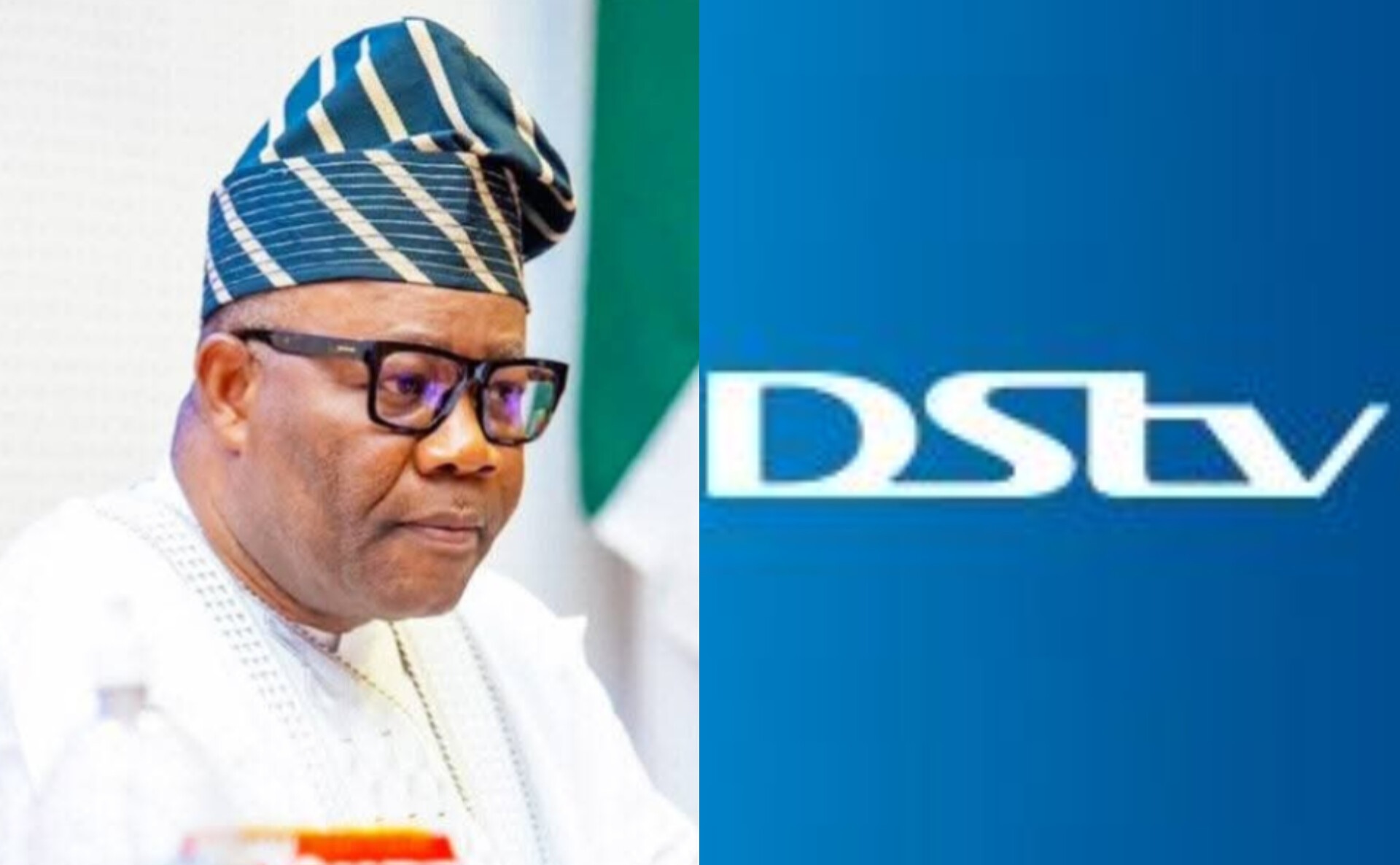
The Nigerian Senate has summoned MultiChoice’s DStv to explain its subscription billing policy following strong concerns raised by Senate President Godswill Akpabio over what he described as unfair practices that penalise subscribers even when the service is not in use.
During Wednesday’s plenary session, Akpabio questioned why DStv deducts subscription days daily in Nigeria regardless of usage, while the same service operates differently in its home country, South Africa.
“DSTV in South Africa, if you travel for one month, two months, three months, your card will not run. Your money remains until you come and activate it. But in Nigeria, once you pay, if you travel for one week, two weeks, by the time you come back it has gone down,” Akpabio said.
He added, “So they are charging you on a daily basis even when it is not in use.”
The Senate President described the practice as unfair to Nigerian families, particularly those who travel for holidays only to return and discover their subscriptions have been exhausted. He drew a parallel with electricity billing.
“The same way we are paying for power that we are not using… The same way you’re not using DStv, you have travelled for holiday with your family, by the time you come back everything has been consumed, but it doesn’t happen in South Africa where they come from.”
Akpabio directed the Chairman of the Senate Committee on Communications to invite DStv for explanations, insisting that Nigerians should not be made to pay for services they are not consuming.
“Which chairman is in charge of communication, please, we need to invite DSTV I just remembered it,” he said.
The summons is the latest in growing consumer complaints against pay-TV operators in Nigeria regarding billing transparency and service value. The Senate’s intervention is expected to pressure DStv to review its policies or provide detailed justification before the committee.