

Across Nigeria, domestic violence continues to rise quietly but persistently, leaving thousands of women trapped in fear, abuse, and silence.
Recent reports by the National Human Rights Commission indicate increasing cases of domestic and gender-based violence across the country, with experts warning that many incidents remain unreported due to stigma, fear, and family pressure.
In Cross River State, the crisis is becoming increasingly visible at the grassroots level, especially in vulnerable communities where poverty, substance abuse, and weak social support systems continue to fuel violence inside homes.
But amid the growing concern, community-based interventions are beginning to provide survivors with pathways to safety and recovery.
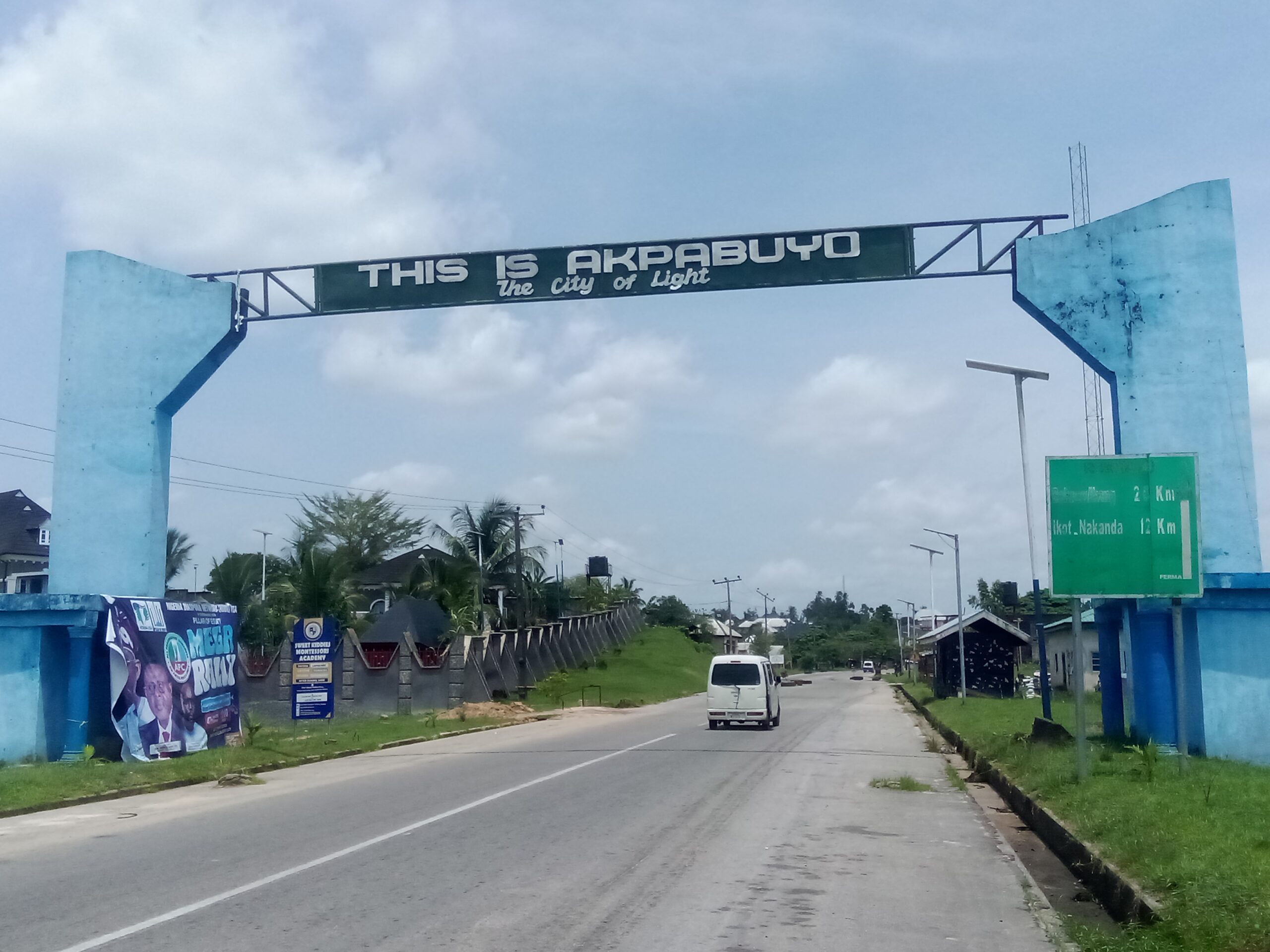
One of such interventions came through Gender and Development Action (GADA), whose support helped change the life of a domestic violence survivor in Akpabuyo Local Government Area.
A Life Controlled By Fear
For Affiong Etim, what began as a relationship built on love gradually turned into years of emotional and physical abuse.
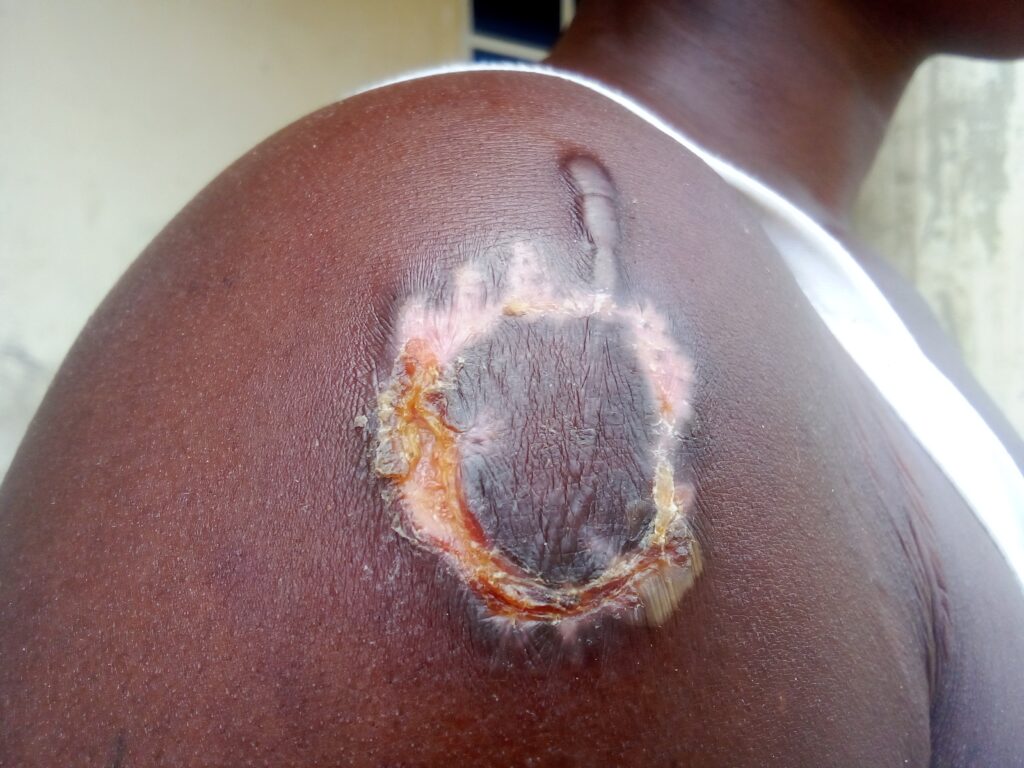
her on the shoulder.
“I loved him. I gave him everything,” she recalled.
According to her, she became the primary provider for the family, struggling daily to care for her children through small-scale trading.
“I was the one hustling, selling garri, paying school transport, trying to keep everything together,” she said.
But behind the struggle for survival was a growing pattern of violence.
She alleged that her partner frequently became aggressive during arguments and later developed serious substance abuse problems.
“He was taking drugs, Indian hemp, cocaine, even ice,” she said. “Money would come and disappear.”
The abuse, she explained, became worse after childbirth.
“After I gave birth, it wasn’t even up to two weeks when he beat me and broke one of my teeth.”
The Decision To Escape
Like many survivors of domestic violence, Affiong endured the abuse for years before finally deciding to leave.
“I kept telling myself that if I stayed, this man could kill me,” she said.

Eventually, she fled with her children and returned temporarily to her father’s house in search of safety.
But escaping violence was only the beginning of another challenge: survival, shelter, and rebuilding life from nothing.
GADA’s Interventions
Relief came through the intervention of Gender and Development Action (GADA), a civil society organization working on gender protection and community support initiatives.
Following an assessment of her situation, the organization stepped in to provide emergency support aimed at helping her transition away from violence.
Through GADA’s intervention, safe accommodation was secured for Affiong and her children, offering them stability and protection at a critical moment.
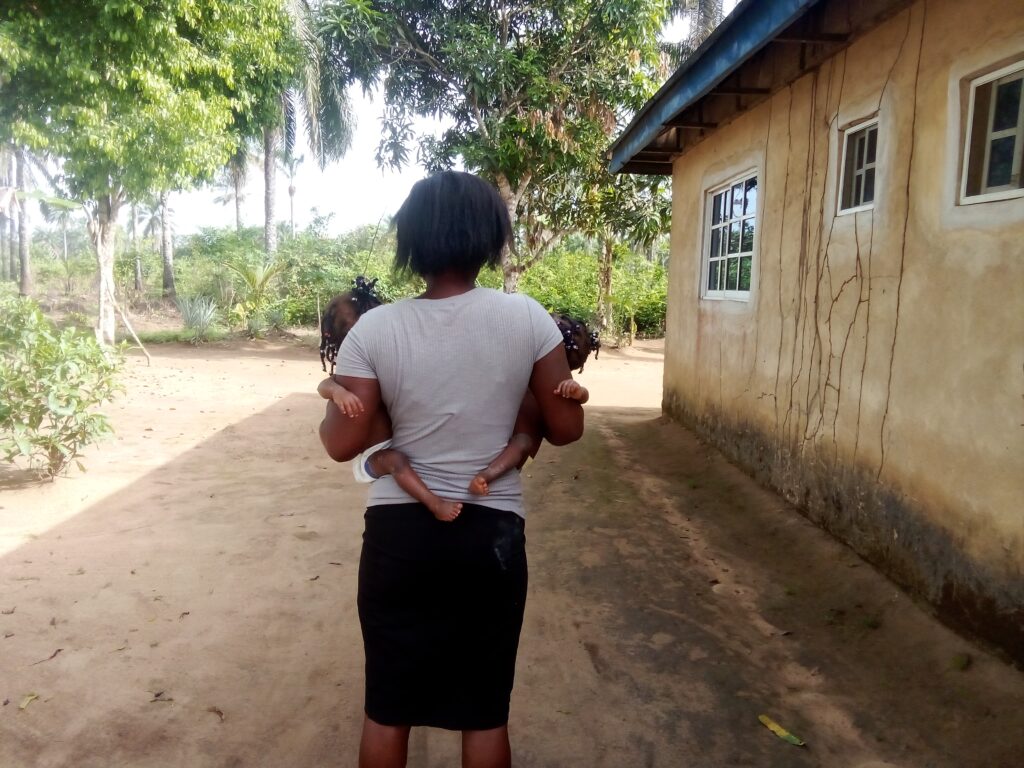
The support, according to community advocates, reflects the growing importance of grassroots organizations in responding to domestic violence cases, especially in rural and underserved communities where institutional response systems remain limited.
Why Community Support Matters
Observers say many survivors remain trapped in abusive relationships because they lack: Safe shelter, financial independence, community support and access to intervention services.
Social workers in Cross River note that domestic violence cases often begin with emotional control and intimidation before escalating into physical abuse.
Economic hardship and drug abuse, they add, continue to worsen the situation in many homes.
Organizations like GADA are increasingly filling critical gaps by providing: Emergency response, survivor support, temporary shelter assistance, community awareness and referral pathways for protection.
From Survival To Peace
Today, Affiong says her life has changed significantly since leaving the abusive environment.
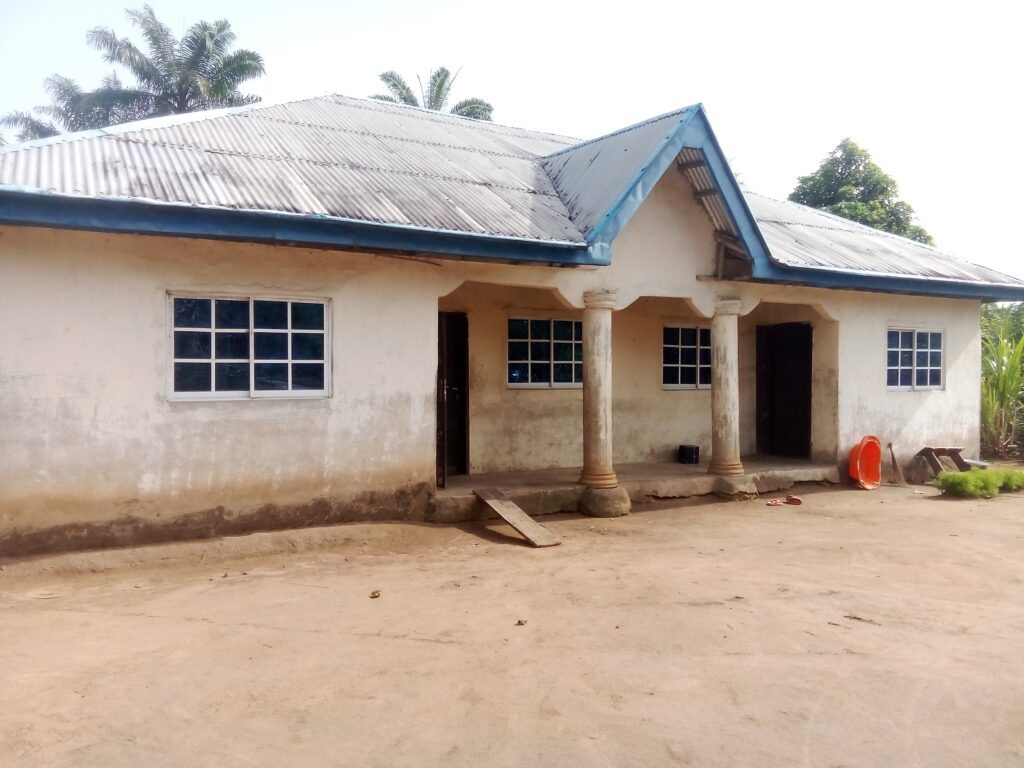
Describing her present condition in one word, she said: “Peace.”
Though challenges remain, she says having a safe place to stay has given her and her children an opportunity to start again.
A Growing Need For Prevention
Experts believe that while intervention remains important, long-term solutions must also focus on prevention through: Community sensitization, economic empowerment for women, stronger protection systems, early reporting mechanisms, and grassroots advocacy.
Advocates argue that ending domestic violence will require more than responding after abuse occurs.
It will require sustained community action and support systems capable of protecting survivors before violence becomes fatal.
Conclusion
As domestic violence cases continue to rise across Nigeria, stories like Affiong Etim’s reveal both the dangers many women face and the importance of timely intervention.
In Akpabuyo, GADA’s response provided more than shelter. It provided safety, dignity, and a second chance at life.
For many survivors still trapped in silence, such interventions may represent the difference between continued abuse and the possibility of freedom.
Most Viewed Posts
- Supporting Siminalayi Fubara: Why Rivers People Deserve Continuity Of Purpose In 2027 – Dr William Omuna
- President Tinubu’s Achievements That Strengthen Case For Second Term – Amuna
- Just In: APC Announces Date For Presidential Primary, Fixes Nomination Form At ₦100m
- EFCC Arraigns Gombe Magistrate Over Alleged ₦1.4m Bribery
- Court Schedules Trial of Former Anambra Governor in ₦4bn Case